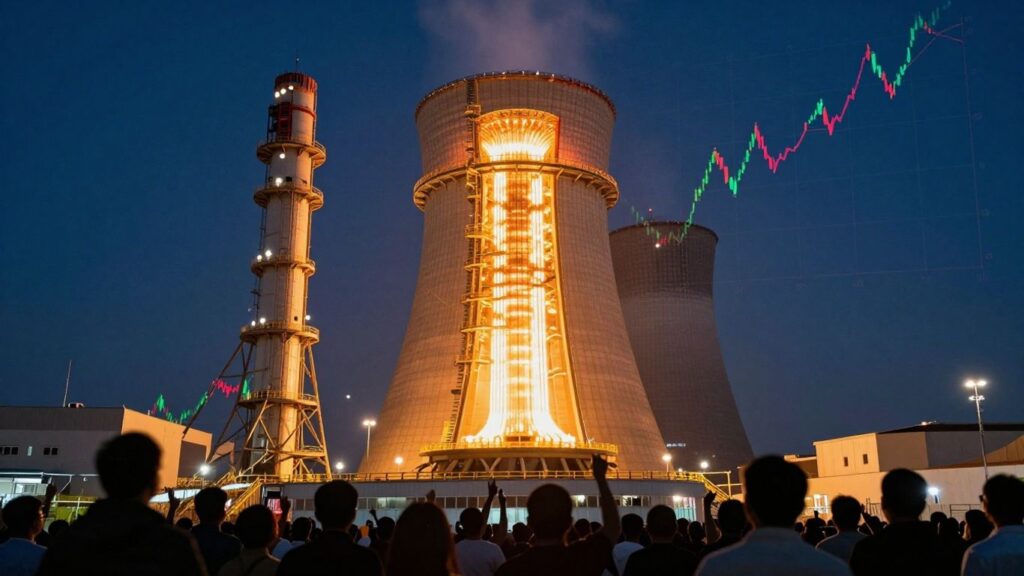

The landscape of nuclear energy is undergoing a significant transformation with the growing interest and development of Small Modular Reactors (SMRs). These advanced nuclear technologies promise cleaner, safer, and more reliable energy, attracting attention from both government bodies and private industries, including major tech firms.
Key Takeaways
- Small Modular Reactors (SMRs) are gaining traction as a potentially more cost-effective and flexible alternative to traditional large-scale nuclear power plants.
- The development of SMRs is driven by the need for clean, reliable energy, particularly for data centers and industrial applications.
- Governments are increasingly supporting SMR development through research funding, policy initiatives, and regulatory reforms.
- Despite promising advancements, SMRs face challenges related to technological risks, market uncertainties, regulatory hurdles, and political considerations.
The Rise of Small Modular Reactors
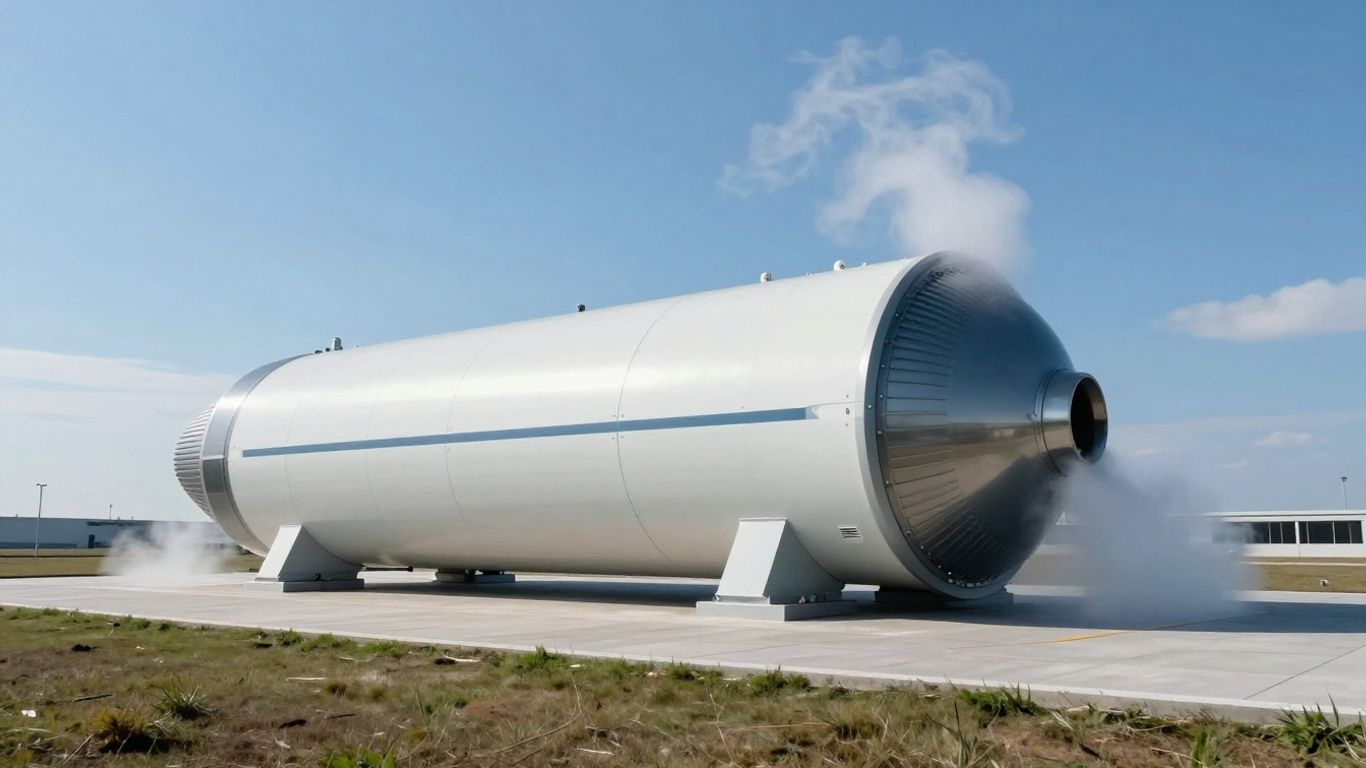
Traditional large nuclear reactors have faced significant challenges, including lengthy construction times, substantial cost overruns, and complex regulatory processes. In contrast, SMRs, typically ranging from 1 MW to 300 MW, offer a modular design that can be partially or entirely built in factories. This approach aims to leverage economies of scale, potentially reducing costs and construction timelines.
Driving Forces Behind SMR Adoption
The burgeoning demand for clean and reliable energy, especially from data centers powering artificial intelligence and other high-tech industries, is a major catalyst for SMR development. These facilities require substantial, uninterrupted power, a need that SMRs are well-positioned to meet. Furthermore, SMRs can provide thermal energy for industrial processes, contributing to decarbonization efforts.
Government and Industry Support
Governments worldwide, including the U.S. and New York State, are actively supporting SMR development. Initiatives include funding for research and development, streamlining regulatory pathways, and exploring new financing models. New York Governor Kathy Hochul has directed the New York Power Authority to develop a zero-emission advanced nuclear power plant, signaling a strong state-level commitment.
Challenges and the Path Forward
Despite the optimism, SMRs face several hurdles. Technological risks associated with novel designs, market uncertainties regarding future energy demand, complex regulatory approval processes, and the need for sustained political backing are significant concerns. Addressing these challenges will require a coordinated strategy involving government, industry, and regulatory bodies to ensure SMRs can achieve their full potential as a key component of a clean energy future.
Sources
- Think small: Why America should bet on small modular reactors, Utility Dive.
- Small Modular Reactors: A Realist Approach to the Future of Nuclear Power | Reports & Briefings | Apr 14,
2025, Information Technology and Innovation Foundation. - Governor Hochul Directs New York Power Authority to Develop a Zero-Emission Advanced Nuclear Energy
Technology Power Plant | Governor Kathy Hochul, Governor Kathy Hochul (.gov).