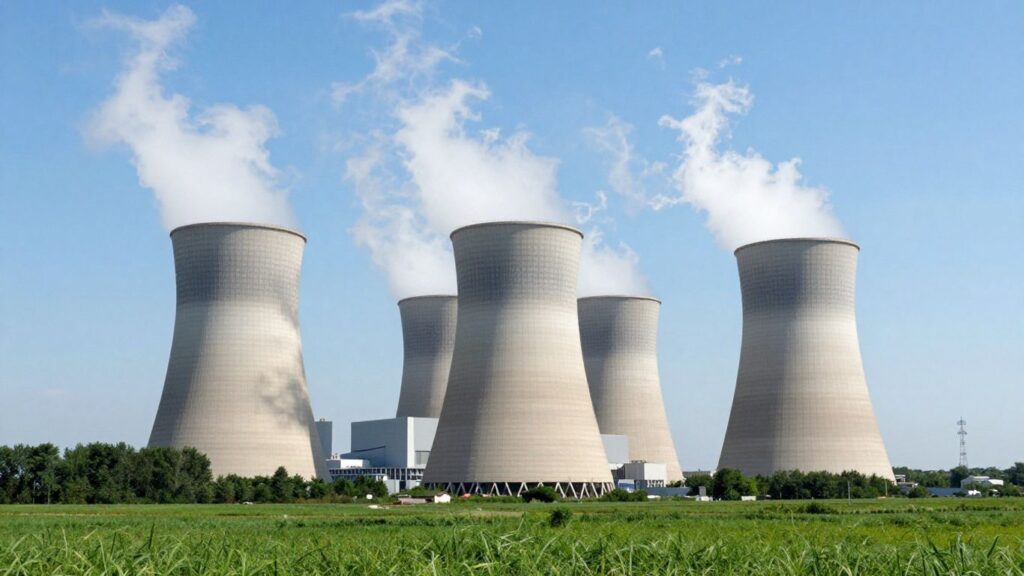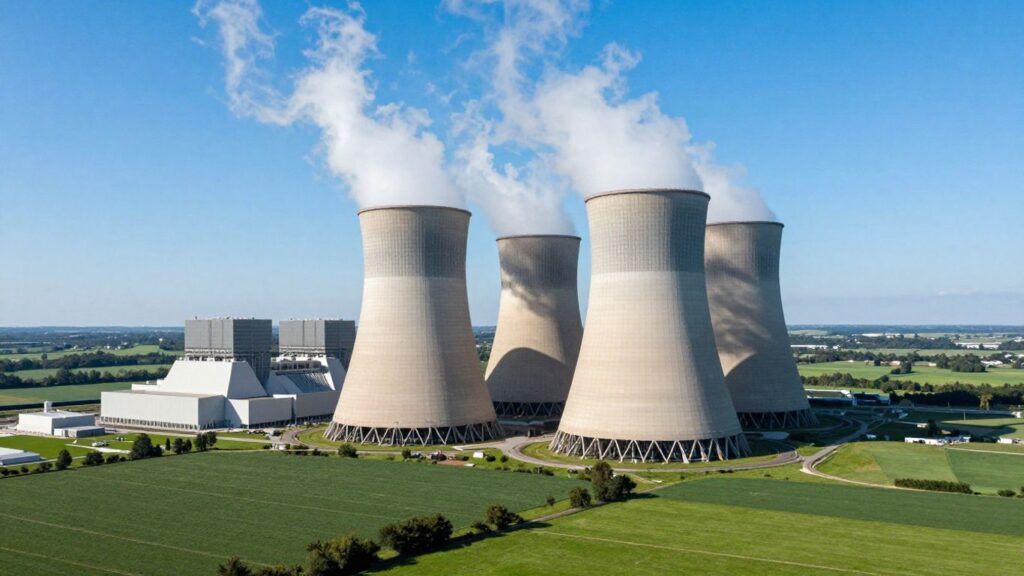

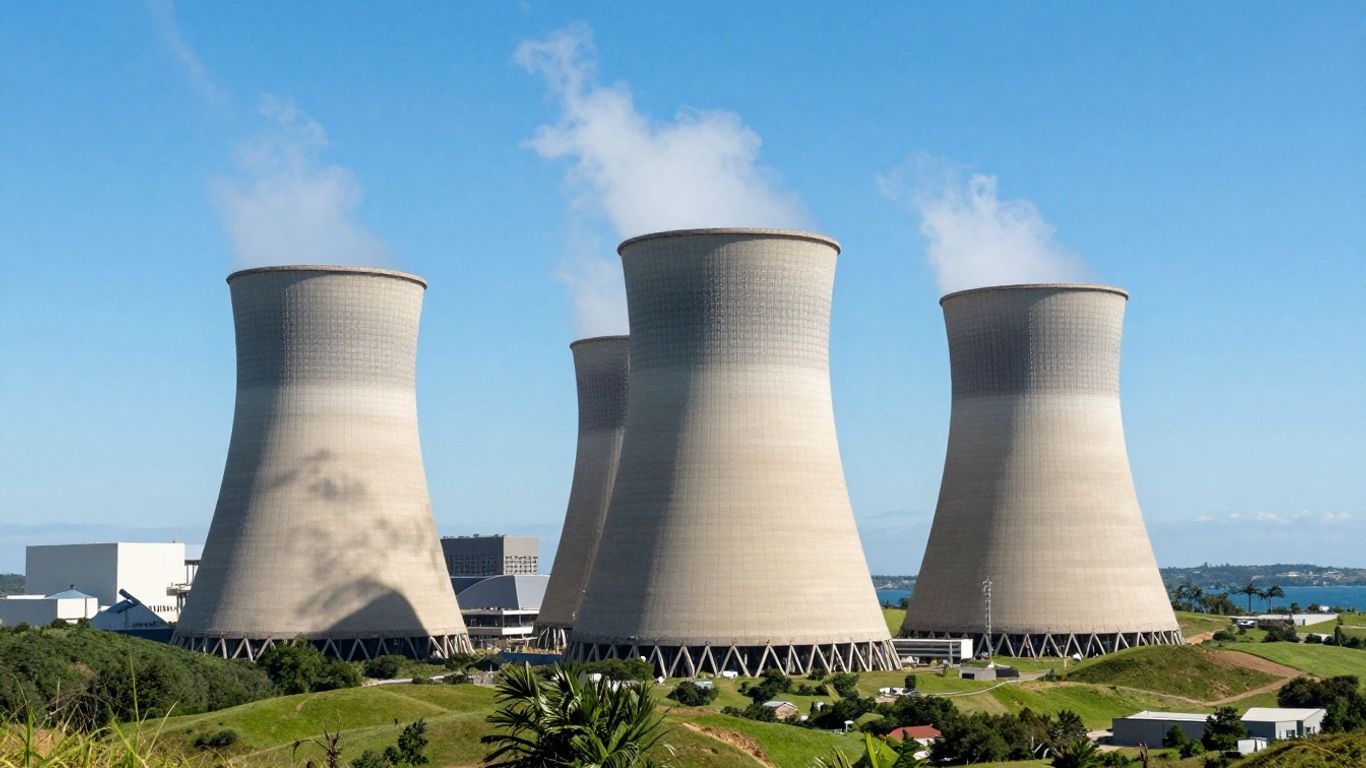
The ambitious plan to revive the Wylfa nuclear power plant on Anglesey is gaining momentum, sparking renewed debate over energy security, job creation, and the challenges posed by unproven technology and waste management. The UK government’s support is visible, but locals remain both hopeful and cautiously skeptical.
Key Takeaways
- Wylfa chosen as the preferred site for a new nuclear power plant, potentially using Small Modular Reactors (SMRs).
- Government and industry promise thousands of jobs and economic revitalization for Anglesey.
- Concerns persist about unresolved nuclear waste issues and technology reliability.
Background: Wylfa’s Past and Present
Wylfa’s history as a nuclear site stretches back decades. The original power station ceased operations in 2015, and plans by Japanese firm Hitachi to build a new reactor were scrapped in 2020. Earlier this year, the UK government finalized the purchase of the site from Hitachi, paving the way for renewed interest in nuclear development on the island.
Rolls-Royce’s proposed SMRs have been highlighted, offering a modular construction process reminiscent of assembling furniture, with components built in factories and shipped to the site. The government favors this approach for its potential to speed up deployment and reduce costs.
Boost for Local Economy and Jobs
Community reactions highlight optimism about the meaningful employment opportunities such a project could bring. There is a keen anticipation that well-paid jobs may stem from this development, benefitting especially young people in the region. The government and industry backers suggest that the new plant could bolster Anglesey’s economy and provide crucial skills training.
Project Benefits Table
| Benefit | Potential Impact |
|---|---|
| Job creation | Thousands of new local jobs |
| Economic growth | Revitalization of Anglesey |
| Skills and training | Workforce development |
| Energy security | Reliable, low-carbon supply |
Skepticism and Concerns Remain
While the announcement has generated excitement, many stakeholders remain cautious. Labor representatives expressed hope but stressed that residents would be convinced only when tangible progress is made, citing past disappointments. Some campaigners and community members question the move toward nuclear technology over investment in wind, wave, and tidal renewables.
A persistent point of contention is the lack of a long-term solution for nuclear waste storage in the UK. Critics argue this must be addressed before major projects proceed and caution against an overreliance on untested reactor types.
Next Steps: Approvals and Community Engagement
Looking ahead, the project’s future depends on overcoming several hurdles. Regulatory approvals, the construction of specialized factories for building SMRs, and thorough workforce training are all in play. Political parties and local groups emphasize the importance of ongoing consultation to ensure community needs are at the heart of any future development.
The next year will be critical, as detailed contracts and plans are expected to clarify timelines and deliverables, offering a clearer picture of what the Wylfa site’s revival could mean for Anglesey.