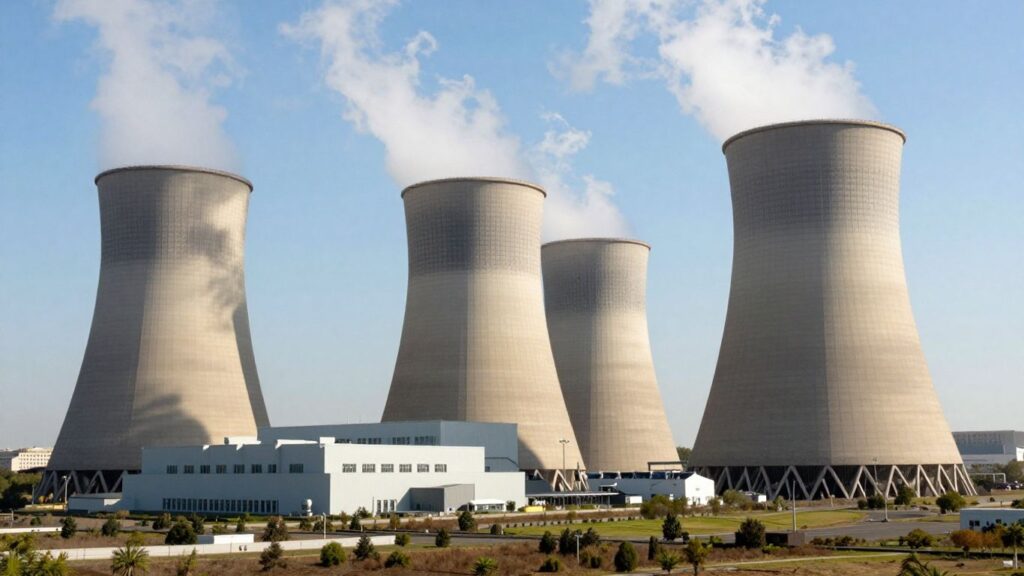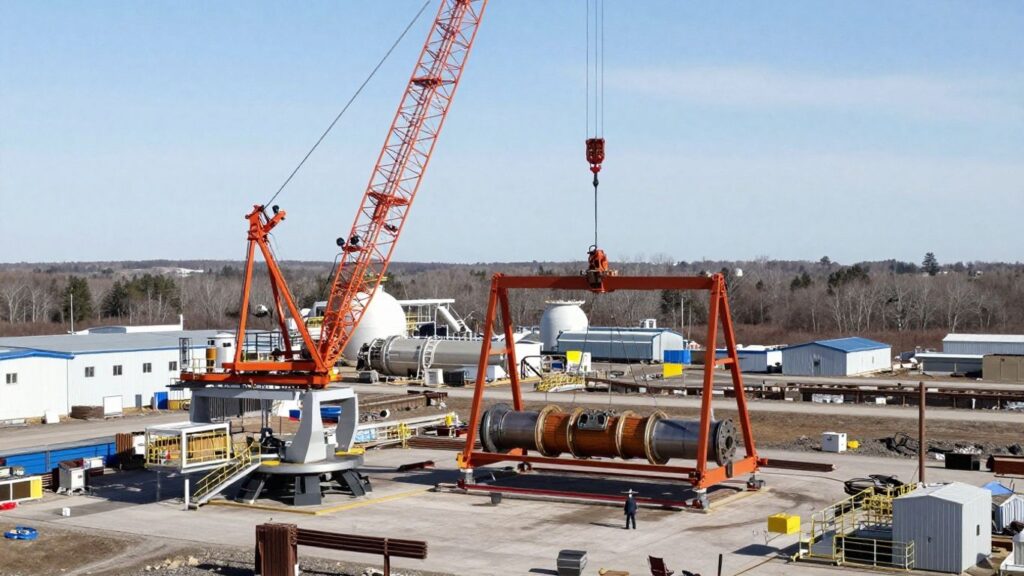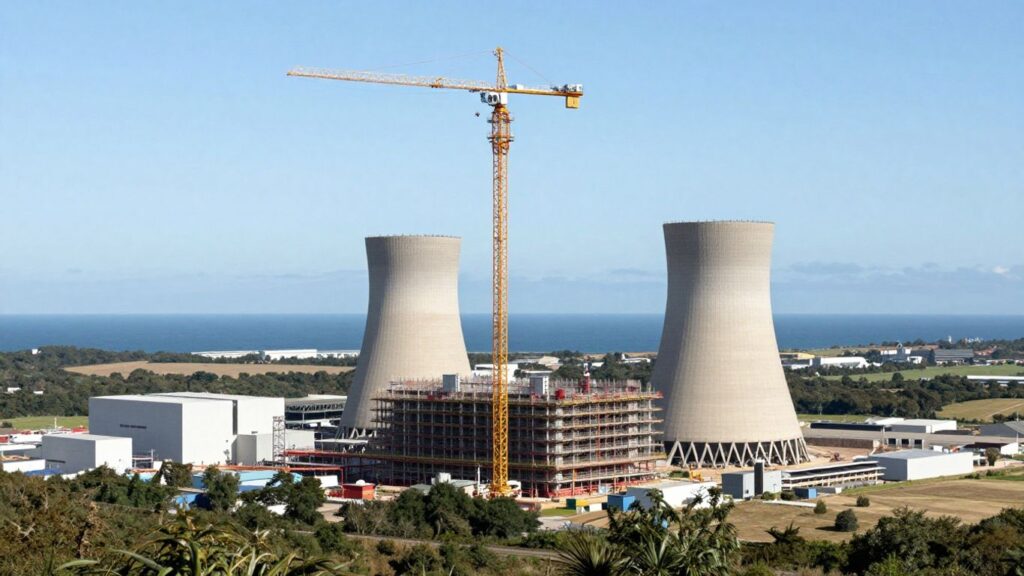


The United States has announced a significant commitment to expand its nuclear energy capabilities, aiming to triple its current capacity by 2050. This strategic move is driven by the urgent need to combat climate change, meet escalating electricity demands fueled by AI and electrification, and enhance national energy security. The initiative involves setting new deployment targets, leveraging existing infrastructure, and fostering the development of advanced reactor technologies.
Key Takeaways
- The U.S. aims to triple its nuclear energy capacity by 2050.
- New targets include adding 35 GW by 2035 and a sustained pace of 15 GW annually by 2040.
- Federal investments and tax incentives are crucial for this expansion.
- Advanced reactor designs, including Small Modular Reactors (SMRs), are key to future growth.
- Addressing nuclear fuel supply chains and public acceptance are vital for success.
Driving Forces Behind Nuclear Resurgence
The renewed focus on nuclear power is a response to several converging factors. The escalating threat of climate change necessitates a significant increase in carbon-free electricity generation. Nuclear energy, already the nation’s largest source of clean power, avoids over 470 million metric tons of carbon dioxide emissions annually. Furthermore, the rapid growth of artificial intelligence, cloud computing, and the electrification of transportation and industrial processes are driving unprecedented demand for electricity. This surge in demand, coupled with the intermittency of renewable energy sources, highlights the need for reliable, around-the-clock power generation that nuclear energy provides.
New Deployment Targets and Strategies
At the U.N. climate summit (COP29), the U.S. unveiled its ambitious nuclear deployment targets: an additional 35 gigawatts (GW) of new nuclear capacity by 2035, and a sustained pace of 15 GW per year by 2040. To achieve these goals, the government has identified over 30 actions to be taken in collaboration with industry and power customers. This framework aims to accelerate the construction of new reactors at a pace not seen since the 1970s, emphasizing design standardization and new manufacturing techniques. The plan also includes leveraging power uprates at existing facilities and restarting retired reactors to bring additional capacity online quickly.
The Role of Advanced Reactors and Infrastructure
Future nuclear expansion will heavily rely on a diverse range of reactor designs. Large-scale light-water reactors, similar to those recently deployed in Georgia, are expected to contribute significantly. However, a major focus is on the development and deployment of Small Modular Reactors (SMRs) and microreactors. These smaller, factory-built units offer potential advantages in terms of cost, scalability, and adaptability to various energy needs, including powering military bases and microgrids. Many existing nuclear plant sites and former coal plant locations are being evaluated for their potential to host new capacity, utilizing existing infrastructure and local workforces.
Overcoming Challenges and Ensuring Success
Despite the growing momentum, several challenges must be addressed for the U.S. to achieve its nuclear energy goals. Economic viability remains a key concern, with the need to drive down costs through standardization and efficient manufacturing. The timing of new plant deployments is critical, as potential customers are seeking solutions now. Federal incentives, such as the Investment Tax Credit (ITC) and Production Tax Credit (PTC), are vital for making new nuclear projects financially feasible. Securing a stable and independent nuclear fuel supply chain, free from geopolitical influences, is also paramount. Finally, maintaining and growing public acceptance through clear communication about safety, environmental benefits, and economic contributions will be essential for the long-term success of nuclear energy in the United States.
Sources
- U.S. Sets Targets to Triple Nuclear Energy Capacity by 2050, Department of Energy (.gov).
- Nuclear has changed. Will the U.S. change with it? — Harvard Gazette, Harvard Gazette.
- Nuclear Energy Growth in the US: 5 Factors That Will Determine It, ICF International.