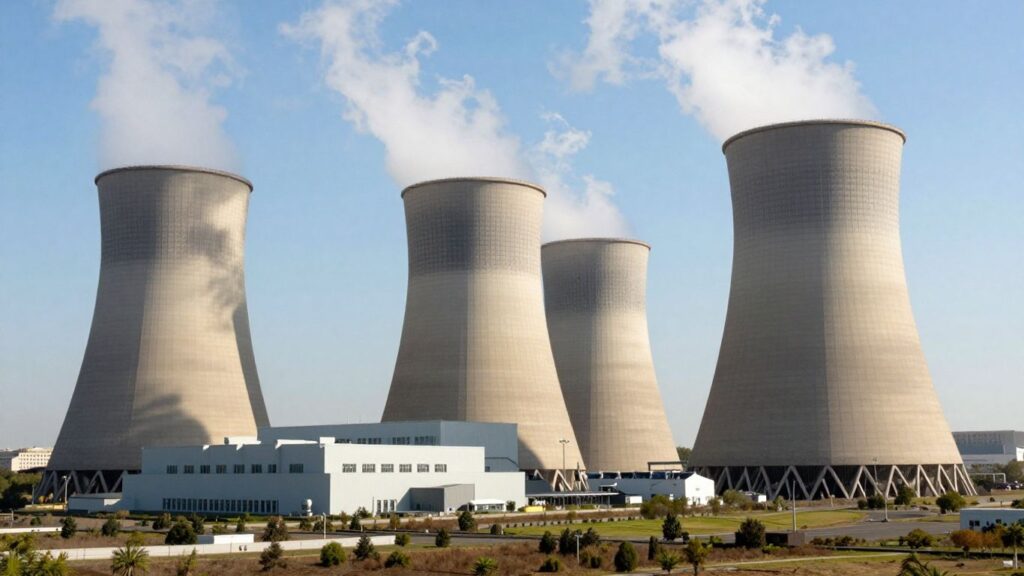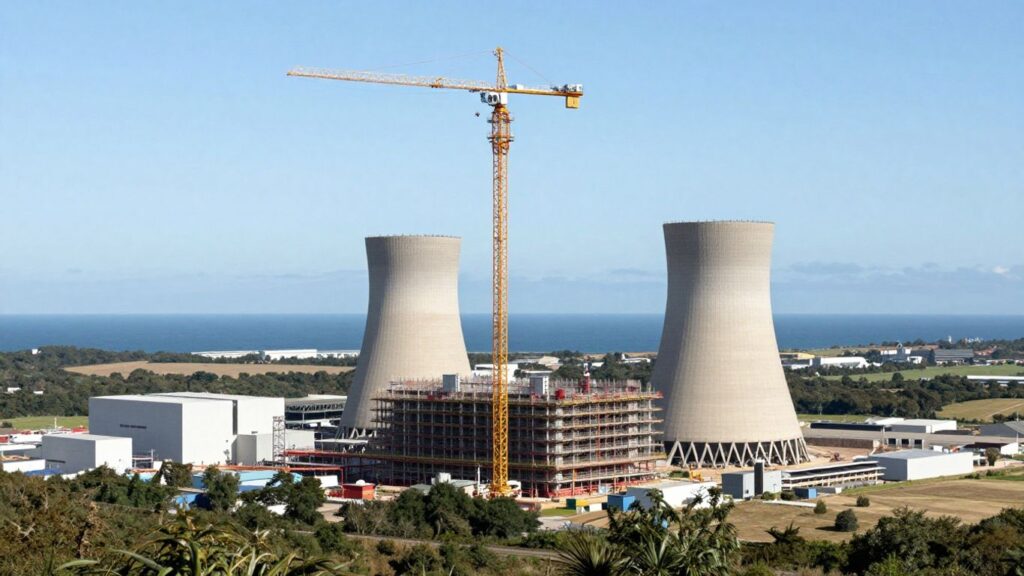


A new report from the OECD/IAEA, known as the Red Book, highlights a critical need for increased investment in uranium mining to meet projected global nuclear power demands through 2050 and beyond. This comes as many nations are re-evaluating nuclear energy’s role in achieving net-zero emissions and ensuring energy security.
Key Takeaways
- Global uranium exploration and mine development expenditures have reversed a downward trend, with significant increases noted in recent years.
- Australia, Kazakhstan, and Canada hold the largest identified uranium resources.
- Despite sufficient resources, substantial investment is crucial to avoid potential supply shortfalls, especially under high-demand scenarios.
- Geopolitical factors and the drive for clean energy are reshaping the uranium market.
The Red Book’s Findings on Uranium Resources and Production
The "Uranium 2024: Resources, Production and Demand" report, a joint publication by the OECD Nuclear Energy Agency (NEA) and the International Atomic Energy Agency (IAEA), indicates a positive shift in uranium exploration and mine development expenditures. After a period of decline from 2015 to 2020, annual expenditures recovered to approximately USD 800 million in 2022 and are projected to increase further. This resurgence is attributed to rising uranium prices and renewed interest in nuclear energy since 2020.
Australia, Kazakhstan, and Canada continue to be dominant players in terms of identified uranium resources. However, the report emphasizes that while current resources are sufficient to meet projected demand to 2050, substantial investment in new mining projects is essential. Without this, a production shortfall is anticipated around 2027 under high-demand scenarios.
Global Nuclear Energy Resurgence and Uranium Demand
Globally, there is a growing enthusiasm for nuclear power, driven by climate change concerns and energy security objectives. Numerous countries have pledged to triple their nuclear energy capacity by 2050. This renewed focus on nuclear energy is directly fueling increased demand for uranium. The report projects significant increases in nuclear generating capacity, particularly in East Asia.
Saskatchewan’s Role in the Uranium Market
Saskatchewan, Canada, is emerging as a key region for uranium exploration and mining, boasting some of the world’s largest high-grade uranium deposits. While only two mines are currently operating in the province, there is significant exploration activity and government support for expanding the sector. The high grade of Saskatchewan’s uranium ore means more uranium per tonne of rock, leading to less waste and more efficient extraction.
Investment and Market Dynamics
The uranium market is being influenced by geopolitical tensions and a global push for clean energy solutions. Companies involved in uranium exploration and production are seeing increased investor interest. For instance, North Shore Uranium, Energy Fuels, Stallion Uranium, District Metals, and Purepoint Uranium are highlighted for their recent performance and exploration activities, particularly in regions like Saskatchewan’s Athabasca Basin.
To ensure a stable supply of uranium, the report stresses the need for a stable framework for exploration, mining, and transportation, supported by pricing mechanisms that encourage long-term investments. Sustained, adequate uranium prices are deemed essential to support new projects and ongoing exploration efforts.
Sources
- Invest now to secure long-term uranium future, Red Book says, World Nuclear News.
- Saskatchewan is eager to increase uranium mining, The Narwhal.
- 5 Best-performing Canadian Uranium Stocks, Investing News Network.