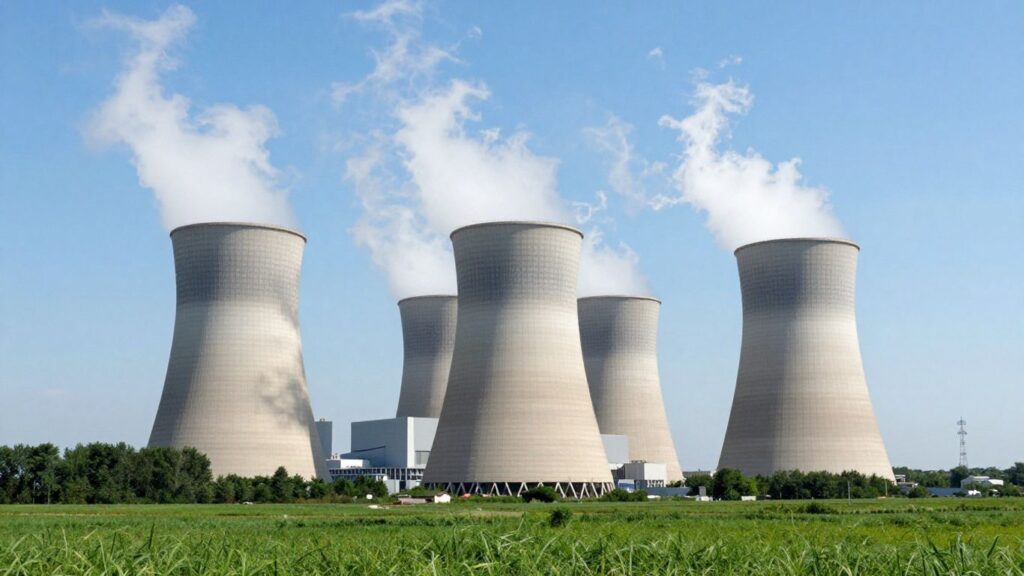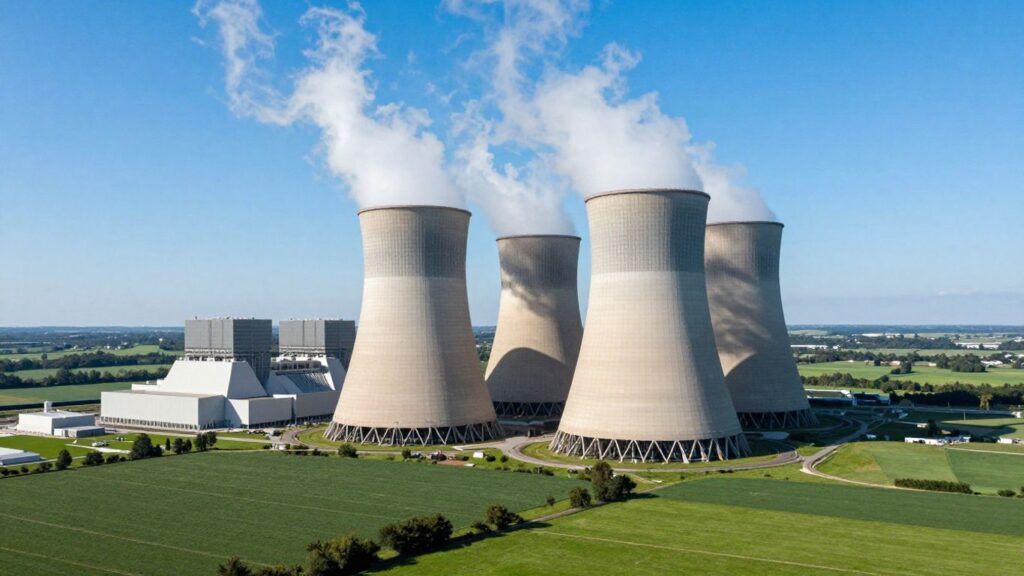

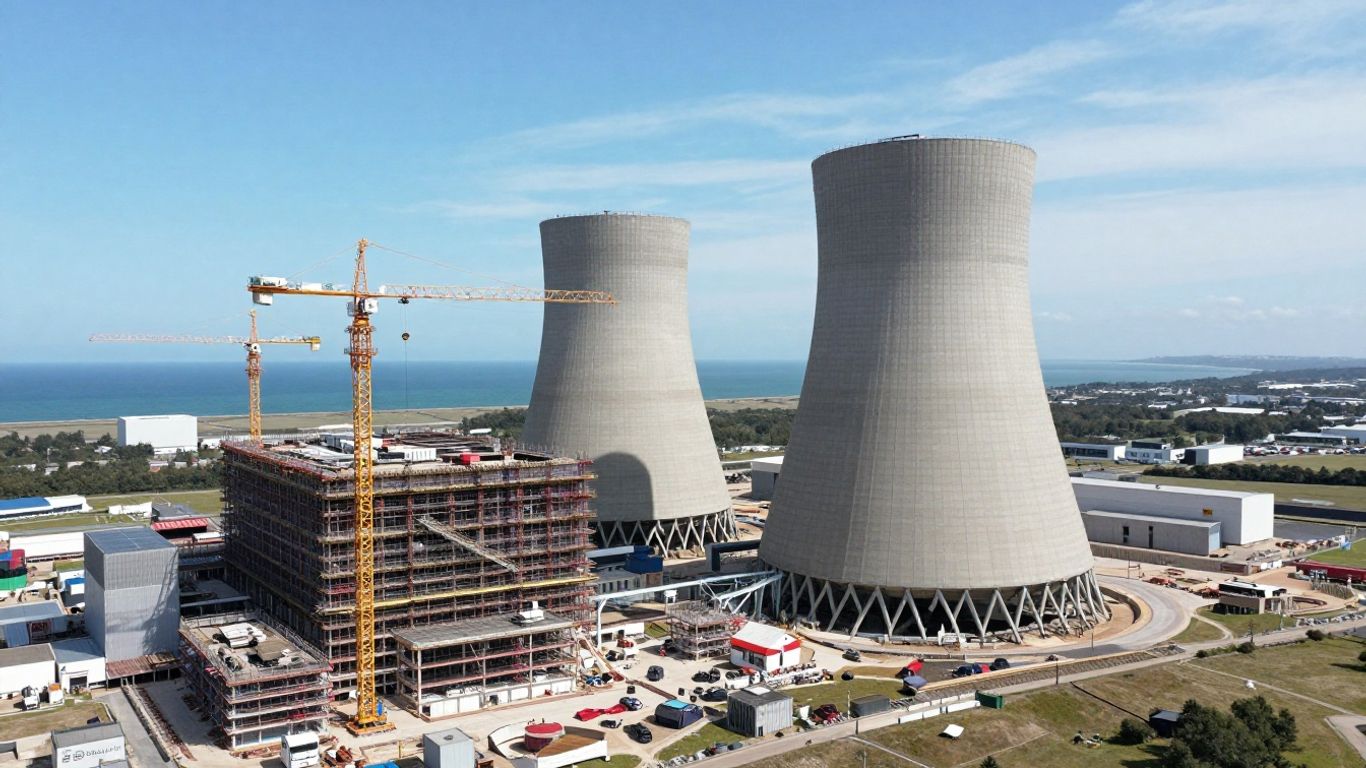
The UK government has announced a landmark investment of £14.2 billion in the construction of the Sizewell C nuclear power plant, a move seen as pivotal in securing Britain’s clean energy future and reaching net zero targets. The backing, joined by major international investors, marks the largest state intervention in UK nuclear energy in decades.
Key Takeaways
- £14.2 billion government investment for Sizewell C
- Project aims to supply 6 million homes with clean electricity
- Over 10,000 jobs expected at peak construction
- Public and private partnership, with French firm EDF among core investors
- Aims to enhance energy security and reduce UK’s reliance on fossil fuels
Government’s Commitment to Clean Energy
The funding for Sizewell C is central to a broader government strategy of turning the UK into a clean energy superpower. Officials tout the decision as ushering in a “golden age” of nuclear power, designed to provide reliable, low-carbon electricity. When completed, Sizewell C could supply power to roughly six million homes, accounting for a sizable share of the country’s electricity needs.
The government expects the project to deliver significant system savings — estimates suggest around £2 billion annually for consumers once operational — and to support rapid economic growth and job creation in regions like Suffolk.
Boost for UK Employment and Skills
Sizewell C is projected to create around 10,000 direct jobs during peak construction, as well as thousands more in support industries. Up to 1,500 apprenticeships are planned, offering training and long-term skills development. Importantly, about 70% of the construction contracts are set to be awarded to British businesses, which could see significant benefits across the country’s supply chains.
EDF, the French state-owned energy company, will own a significant stake in the project, reinforcing the UK’s commitment to strong international partnerships in energy.
Strengthening Energy Security
The investment comes as the UK seeks to move away from an aging nuclear fleet and volatile fossil fuel markets. With many older plants due to close by 2030, Sizewell C and its twin project, Hinkley Point C in Somerset, are set to anchor the country’s future power mix.
Officials underscore the need for energy independence following recent geopolitical shocks to fossil fuel markets. Nuclear power, which offers stable, non-intermittent output, is considered key to building resilience against global energy price fluctuations.
Addressing Criticism and Environmental Concerns
While the government hails the investment as a necessary and forward-thinking initiative, the project faces opposition from certain groups. Critics argue about long construction timelines, costs, and environmental impacts, with recent protests highlighting local concerns over land use and potential effects on wildlife.
Ministers insist that rigorous regulatory reviews and lessons learned from other projects, such as Hinkley Point C, will help mitigate risks and deliver Sizewell C faster and more cost-effectively.
A Broader Vision: Towards Net Zero
This investment in Sizewell C is part of the largest expansion of nuclear energy in the UK in 70 years. Alongside new large-scale stations, the government is backing small modular reactors, fusion research, and investments designed to build a resilient, net zero-aligned grid by 2050.
If successful, the Sizewell C project will mark a turning point in British energy, delivering greener jobs, reducing bills, and giving the UK greater control over its clean power future.
References
- Sizewell C nuclear plant gets £14.2bn government investment, BBC.
- Major boost for Sizewell C nuclear plan as French energy giant EDF confirms investment, GOV.UK.
- Sizewell C gets green light with final investment decision, GOV.UK.
- Biggest expansion of nuclear power for 70 years to create jobs, reduce bills and strengthen Britain’s energy
security, GOV.UK. - Clean energy future to be ‘built in Britain’, GOV.UK.