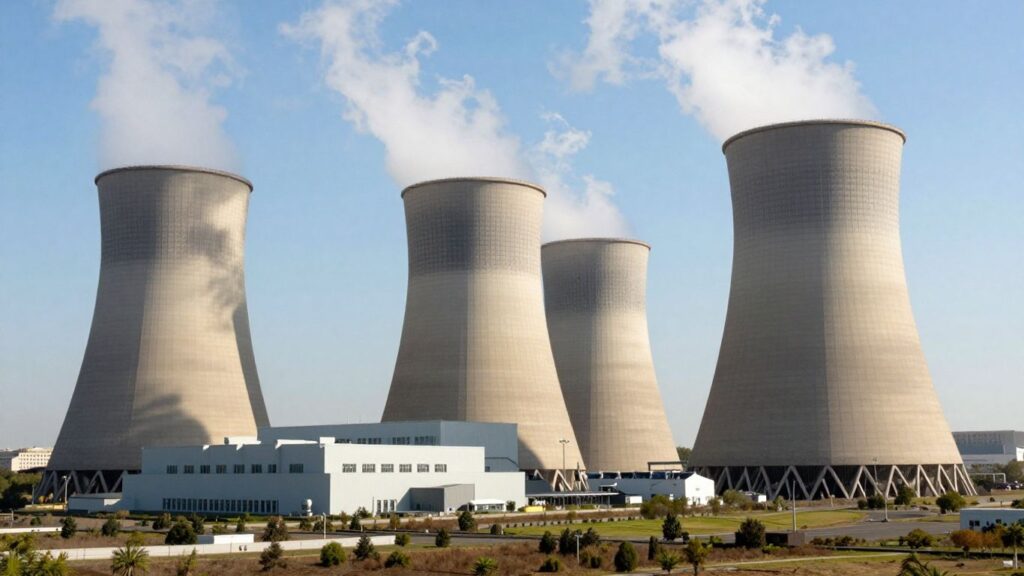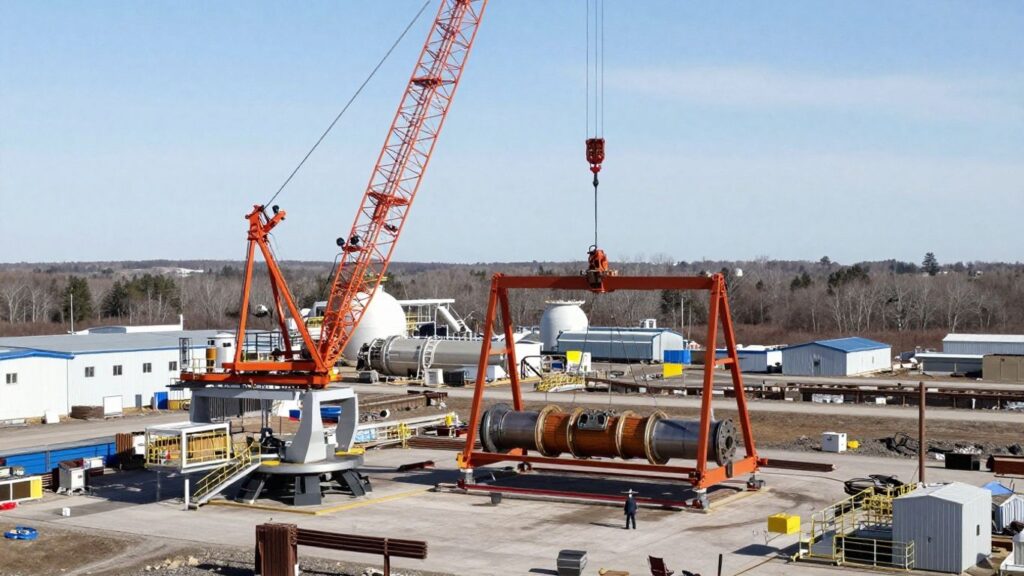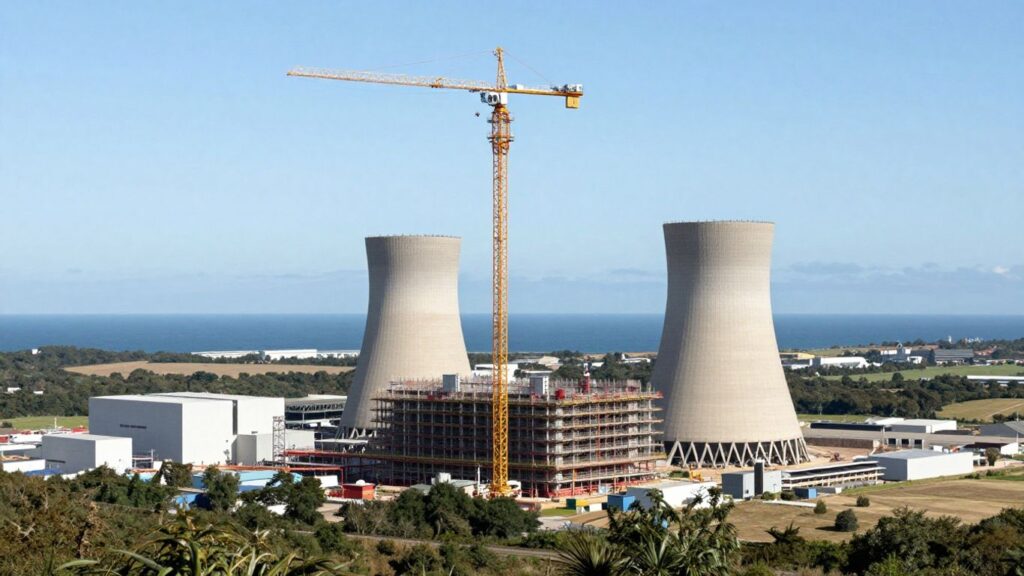

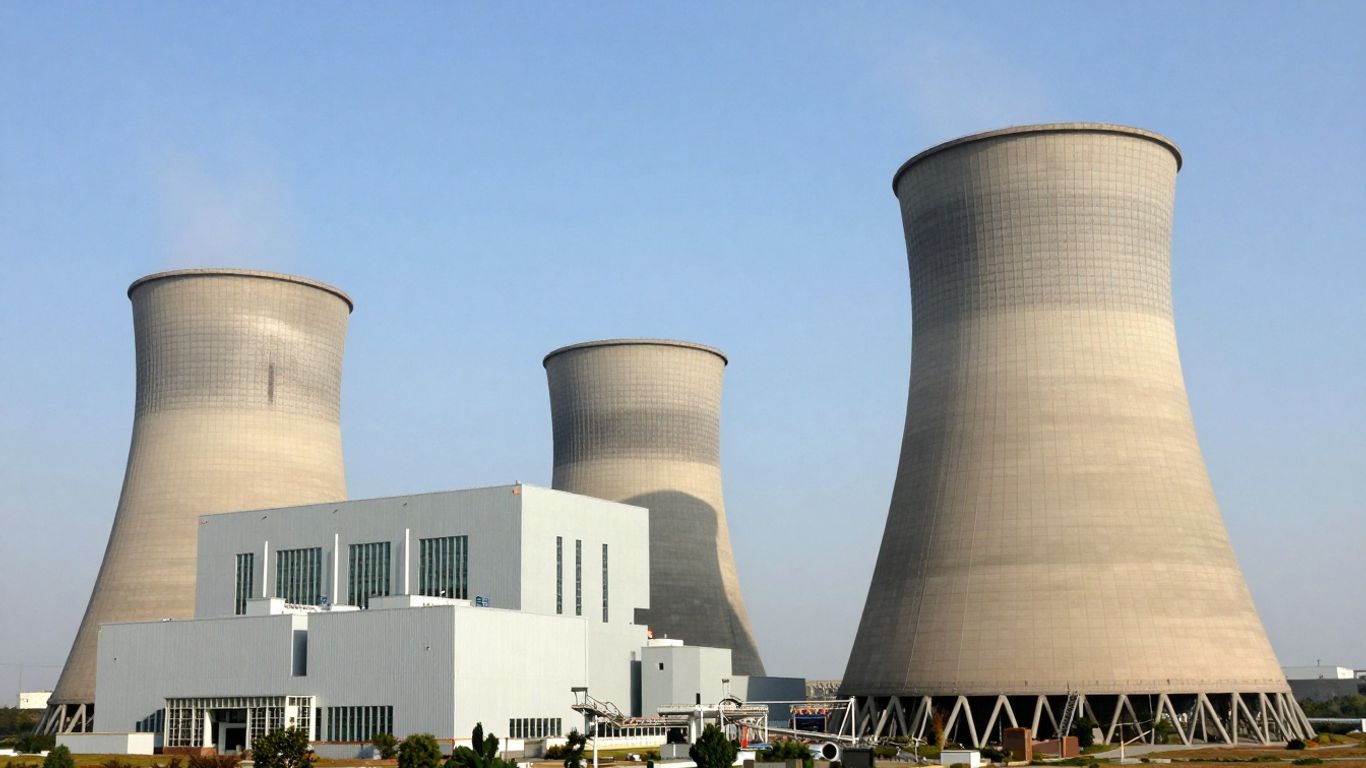
The UK government has announced a significant multi-billion-pound investment, marking a pivotal moment for the nation’s energy security and its commitment to clean power. The final investment decision for the Sizewell C nuclear power plant has been approved, signaling the start of the country’s most substantial nuclear expansion in seven decades. This move is expected to create thousands of jobs, reduce energy bills for millions of households, and bolster the UK’s energy independence.
Key Takeaways
- The UK government will become the largest shareholder in Sizewell C.
- The project is anticipated to deliver clean power for approximately six million homes.
- It is projected to create 10,000 jobs at its peak construction phase.
- Estimated annual savings for the electricity system are around £2 billion once operational.
- Sizewell C is expected to cost around 20% less than Hinkley Point C.
A New Era for Nuclear Power
The government’s decision to invest in Sizewell C signifies a commitment to a "golden age" of nuclear power, aiming to reduce reliance on volatile global fossil fuel markets. This investment is positioned as a crucial step towards achieving energy security and protecting consumers from fluctuating energy prices. The plant is designed to provide clean, reliable electricity for at least 60 years.
Economic Growth and Job Creation
Beyond energy security, the Sizewell C project is poised to be a significant driver of economic growth. At its peak, the construction phase will directly employ 10,000 people, with thousands more jobs supported across the national supply chain. The project also aims to create 1,500 apprenticeships, fostering skills development for the future. A substantial portion of the construction value, estimated at 70%, is expected to be awarded to British businesses, with around 3,500 UK companies anticipated to be part of the supply chain.
Investment and Ownership Structure
The government will take an initial 44.9% stake in Sizewell C, making the British public co-owners of the plant alongside private investors. Other key shareholders include EDF, Centrica, La Caisse, and Amber Infrastructure. This collaborative investment model aims to spread the estimated £38 billion construction cost across consumers, taxpayers, and private investors. The government’s investment is structured to limit the impact on consumer bills, averaging around £1 per month during the construction period.
Strengthening Energy Security
This initiative is part of a broader strategy to expand the UK’s nuclear capacity. The government’s Civil Nuclear Roadmap outlines plans to quadruple nuclear power generation by 2050, reaching 24GW. This includes exploring new large-scale power stations and investing in advanced nuclear fuel production, aiming to reduce dependence on Russian-supplied fuel. The expansion also encompasses the development of Small Modular Reactors (SMRs), positioning the UK as a leader in next-generation nuclear technology.
A Landmark Project
Sizewell C represents a significant step in revitalizing the UK’s nuclear industry, which has seen no new plants opened since 1995. The project aims to learn from the construction of Hinkley Point C, implementing a funding model designed for greater cost efficiency. The government’s commitment to Sizewell C, alongside investments in SMRs and fusion energy research, underscores a comprehensive approach to securing a clean, reliable, and affordable energy future for the nation.
Sources
- Sizewell C gets green light with final investment decision, GOV.UK.
- Biggest expansion of nuclear power for 70 years to create jobs, reduce bills and strengthen Britain’s energy
security, GOV.UK. - Thousands of jobs to be created as government announces multi-billion-pound investment to build Sizewell C –
GOV.UK, GOV.UK.