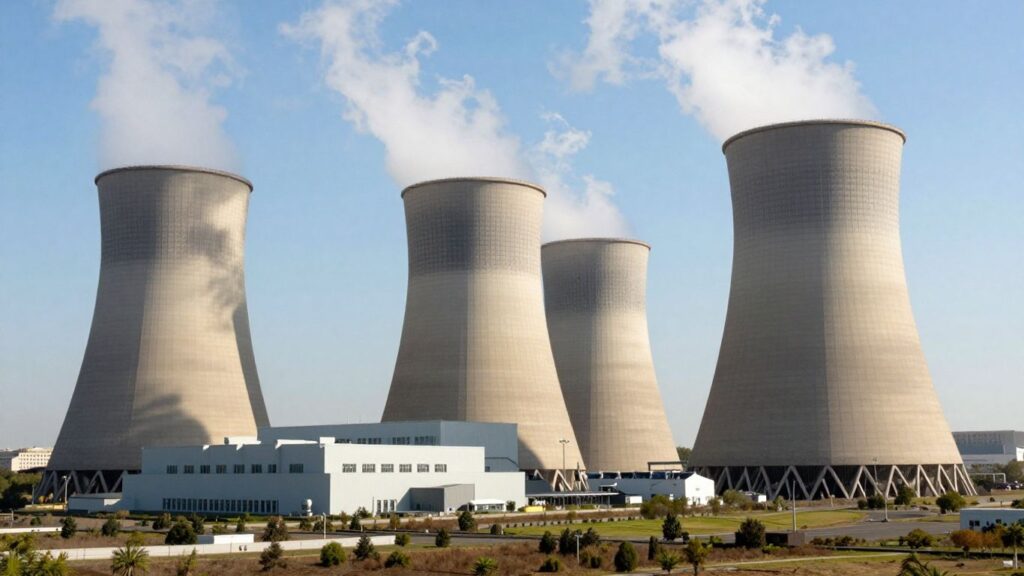

The United Kingdom is embarking on a new era of nuclear energy, marked by significant advancements in Small Modular Reactor (SMR) technology and strengthened international partnerships, particularly with the United States. This strategic push aims to bolster energy security, create thousands of jobs, and position the UK as a leader in clean energy innovation.
Key Takeaways
- A landmark UK-US agreement accelerates nuclear project approvals and fosters collaboration.
- Wylfa in North Wales selected to host the UK’s first Small Modular Reactor (SMR) power station.
- Multiple commercial deals signed, paving the way for SMR deployment across the UK.
- The initiative is expected to create thousands of high-skilled jobs and attract billions in private investment.
A New Age of Nuclear Power
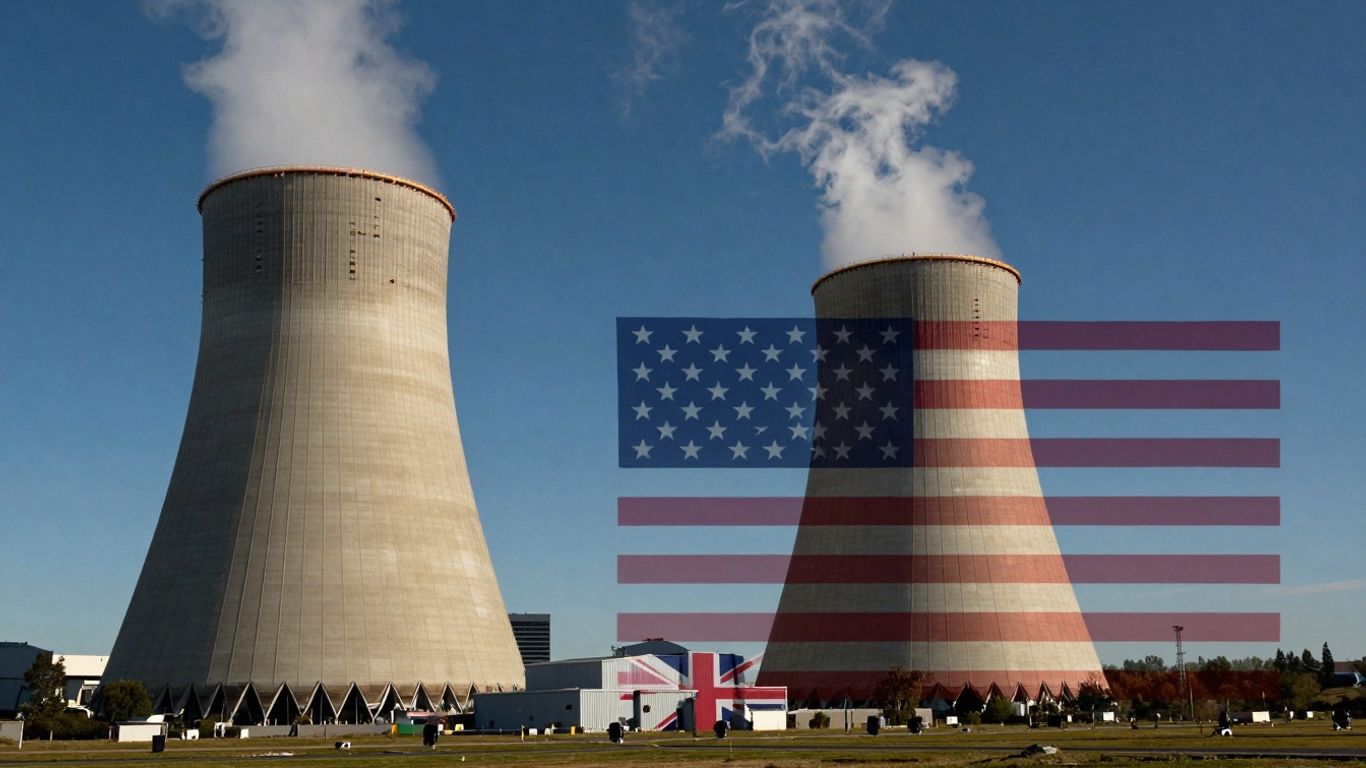
The UK government is championing a "golden age of nuclear," a strategic mission to ensure clean, homegrown energy and reduce reliance on foreign fossil fuels. This initiative involves streamlining regulatory processes, encouraging private investment, and fostering international cooperation. The recent UK-US deal, the Atlantic Partnership for Advanced Nuclear Energy, is central to this strategy, aiming to halve the time it takes to license new nuclear projects.
Pioneering Small Modular Reactors (SMRs)
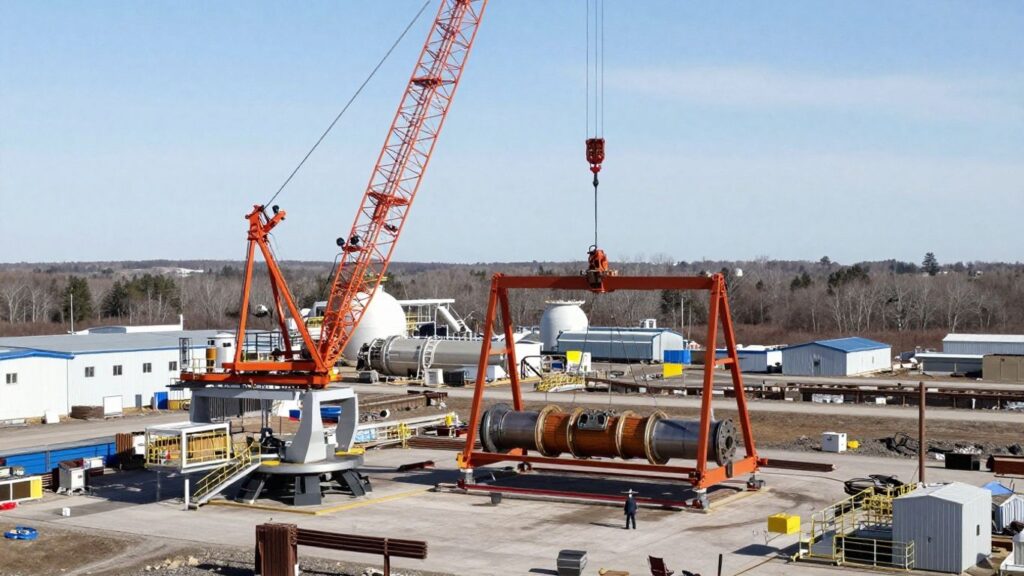
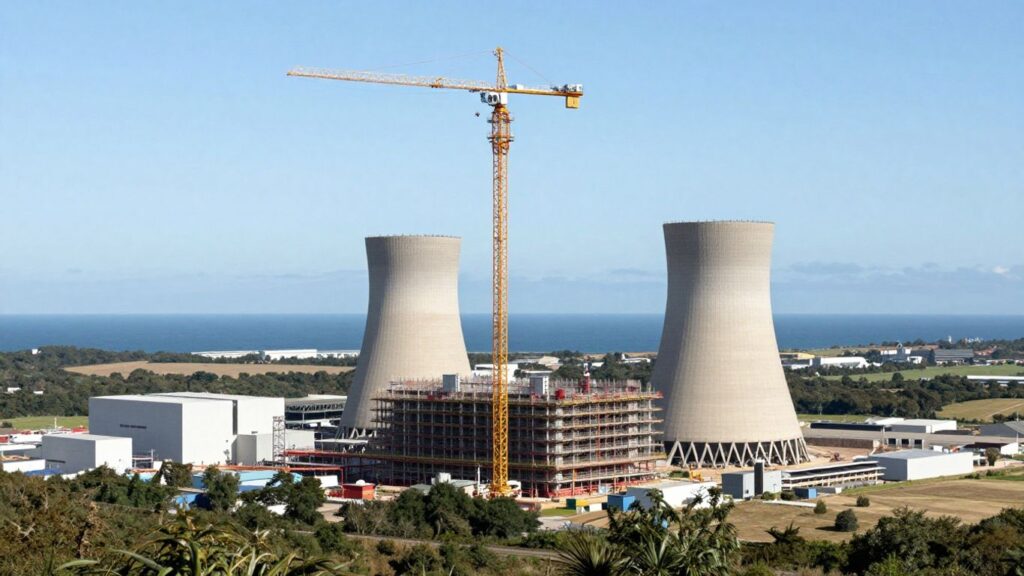
North Wales is set to become a hub for the UK’s nuclear future with Wylfa on Anglesey selected as the site for the nation’s first Small Modular Reactor (SMR) power station. This project, led by publicly-owned Great British Energy-Nuclear and designed by Rolls-Royce SMR, is expected to create up to 3,000 jobs and inject billions into the local economy. The Wylfa site could potentially host up to eight SMR units, with the first expected to generate power by the mid-2030s. SMRs are designed to be smaller, quicker to build, and more flexible than traditional large-scale nuclear plants.
International Collaboration and Commercial Deals
The UK-US partnership extends beyond regulatory cooperation to encompass significant commercial agreements. Companies like X-Energy and Centrica are planning to build advanced modular reactors in Hartlepool, potentially generating enough power for 1.5 million homes and creating up to 2,500 jobs. Other deals include plans for data centers powered by SMRs at the former Cottam coal-fired power station and the development of micro modular nuclear power plants for industrial use. These collaborations aim to enhance energy security, strengthen supply chains, and reduce dependence on Russian nuclear materials.
Economic and Employment Opportunities
This expansion of nuclear energy is projected to create a substantial number of high-skilled jobs across the UK. The Nuclear Industry Association reports that the sector already employs a record 98,000 people. The new projects, from SMRs to potential future large-scale reactors, are expected to drive significant economic growth, particularly in industrial heartlands, and provide long-term employment opportunities. The government is also committed to developing the necessary skills through partnerships with local colleges and training providers.
Future Outlook
Beyond SMRs, the UK is also exploring options for future large-scale nuclear power plants, with Great British Energy-Nuclear tasked with identifying suitable sites across the country. The government’s commitment to nuclear power, alongside investments in fusion energy research, underscores its ambition to achieve energy independence and establish the UK as a global leader in clean energy technology.