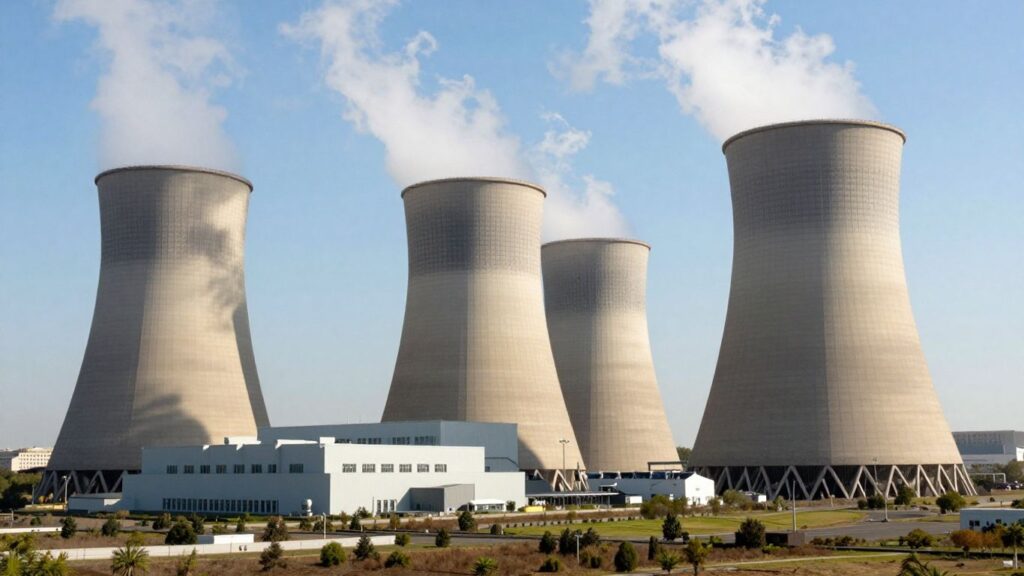

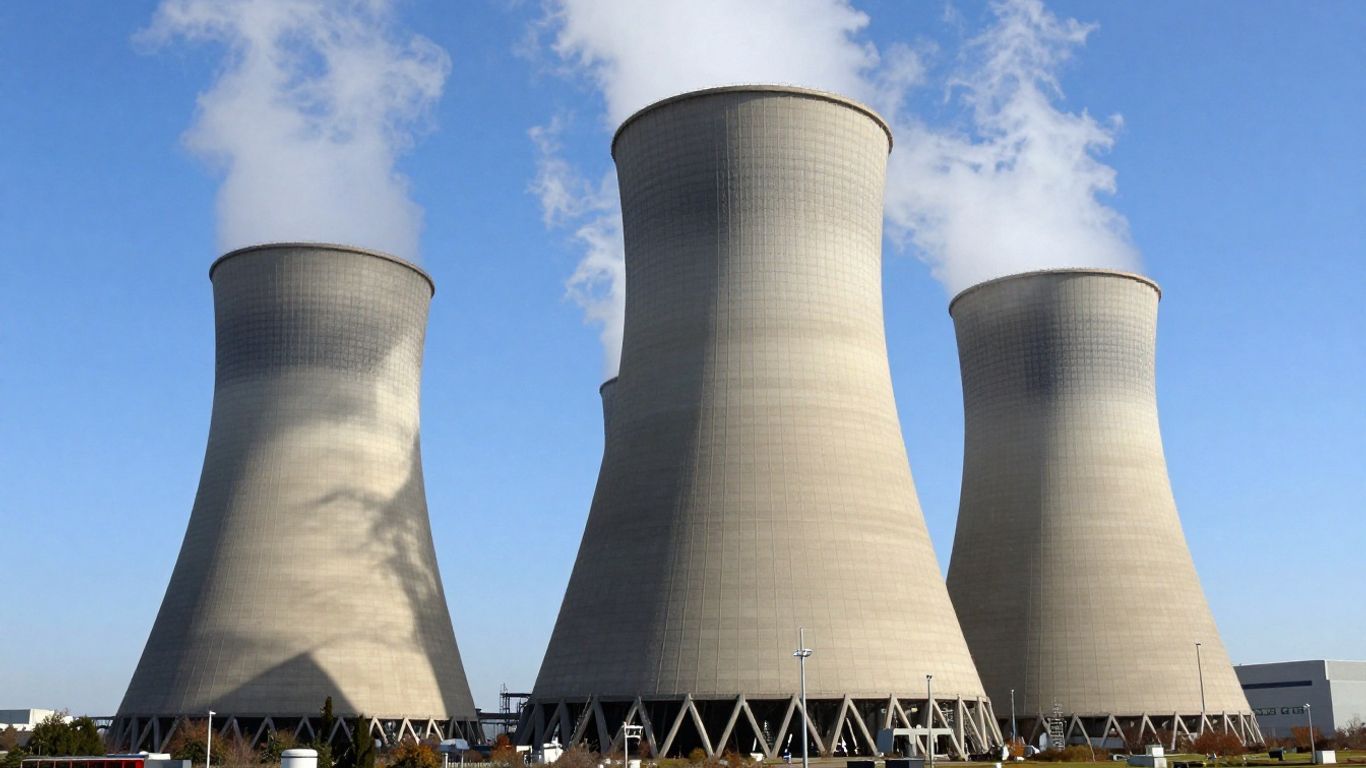
The United Kingdom is initiating its most significant nuclear power expansion in seven decades, aiming to bolster energy security, reduce consumer bills, and create thousands of jobs. This ambitious plan involves exploring new large-scale power stations and pioneering the development of small modular reactors (SMRs), marking a pivotal moment in the nation’s energy strategy.
Key Takeaways
- The UK aims to quadruple its nuclear power capacity by 2050, generating up to 24GW, enough to supply a quarter of the nation’s electricity needs.
- Significant investment is planned for domestic production of advanced nuclear fuel, reducing reliance on Russia.
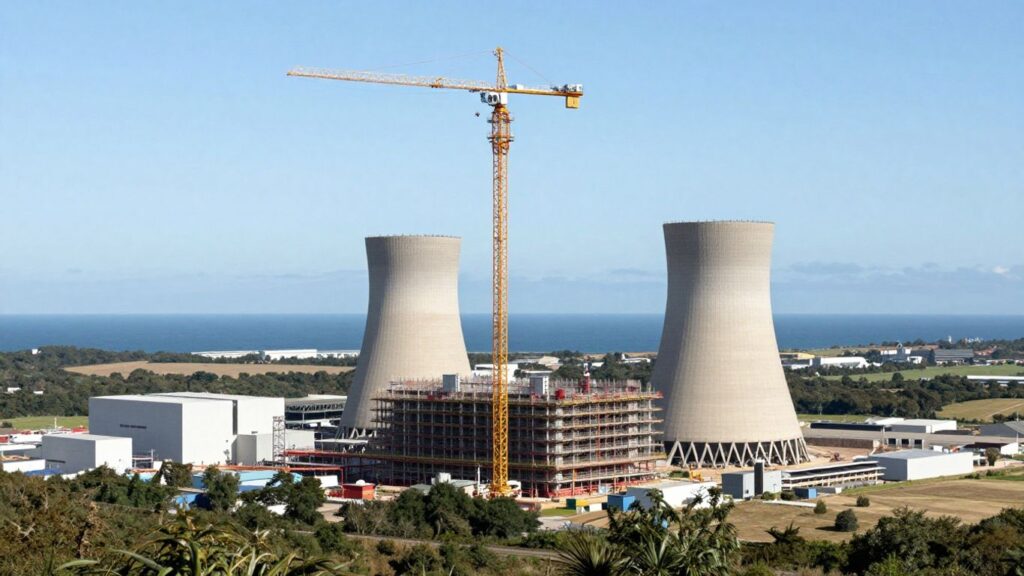
- North Wales is set to host the UK’s first small modular reactor (SMR) power station.
- Regulatory reforms are being implemented to streamline the development and approval process for new nuclear projects.
A Renewed Focus on Nuclear Power
The UK, once a pioneer in commercial nuclear energy, has seen its nuclear contribution dwindle to 14% of its power supply. However, driven by geopolitical tensions and the need for energy independence, the government is committed to reversing this trend. The Civil Nuclear Roadmap outlines a strategy to increase nuclear generation significantly by 2050, positioning it as a crucial component of the UK’s clean energy future and a reliable baseload to complement intermittent renewables.
Pioneering Small Modular Reactors (SMRs)
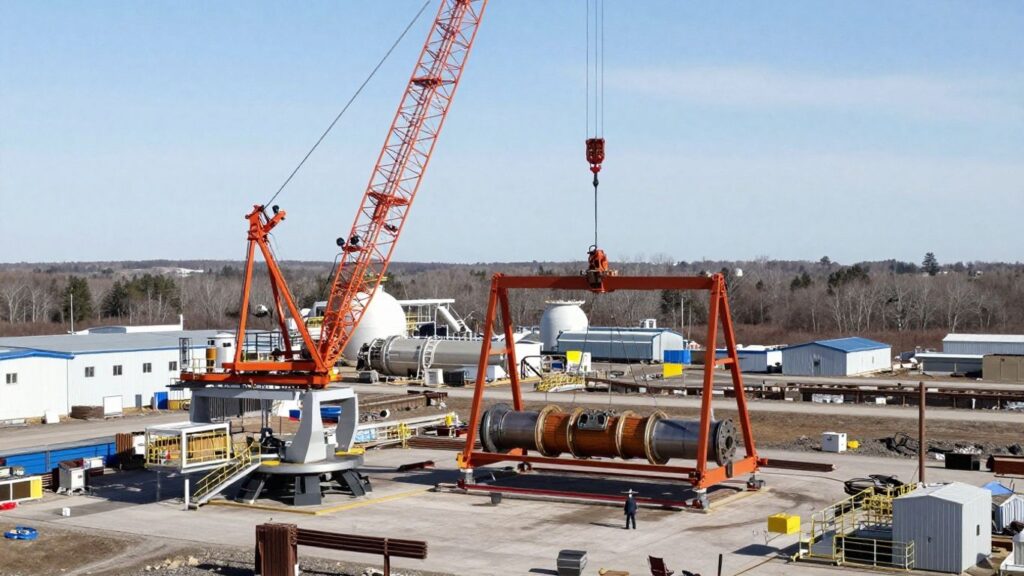
A key element of this expansion is the development of Small Modular Reactors (SMRs). Wylfa in North Wales has been selected as the site for the UK’s first SMR power station, a project expected to create around 3,000 jobs and attract billions in investment. Rolls-Royce SMR has been chosen as the preferred partner for these factory-built, next-generation reactors, which are designed to be safer and more cost-effective than traditional plants. This initiative aims to establish a sovereign capability in SMR technology with global export potential.
Streamlining Regulations and Boosting Investment
To accelerate the deployment of nuclear power, the government is overhauling planning rules and regulations. This includes allowing SMRs to be built for the first time, removing the restriction to a set list of eight sites, and establishing a Nuclear Regulatory Taskforce to improve efficiency. These reforms aim to reduce construction times and costs, making the UK a more attractive location for nuclear investment and enabling it to compete more effectively on the global stage, where countries like China and the EU are rapidly expanding their nuclear capacity.
Addressing Challenges and Securing the Supply Chain
Despite the ambitious plans, challenges remain. The UK faces a shortage of skilled nuclear engineers and a complex global supply chain for nuclear fuel, with a significant portion currently dominated by a few countries, including Russia. The government is investing in domestic fuel production and aims to prevent imports from Russia by 2028. Ensuring a robust and secure supply chain is critical to the success of the UK’s nuclear ambitions.
Economic and Environmental Benefits
The expansion of nuclear power is projected to create tens of thousands of skilled jobs across the UK, boost manufacturing, and contribute to the nation’s net-zero targets. By providing a stable, low-carbon energy source, nuclear power will enhance energy security, reduce reliance on volatile fossil fuel markets, and help protect consumers from price fluctuations. The government also sees nuclear energy as a vital component in powering future industries, such as AI data centers.
Sources
- The history of nuclear energy lies on British soil — does its future?, CNBC.
- Biggest expansion of nuclear power for 70 years to create jobs, reduce bills and strengthen Britain’s energy
security, GOV.UK. - North Wales to pioneer UK’s first small modular reactors, GOV.UK.
- Wylfa nuclear power plant plans go ahead, creating Anglesey jobs, BBC.
- Government rips up rules to fire-up nuclear power, GOV.UK.