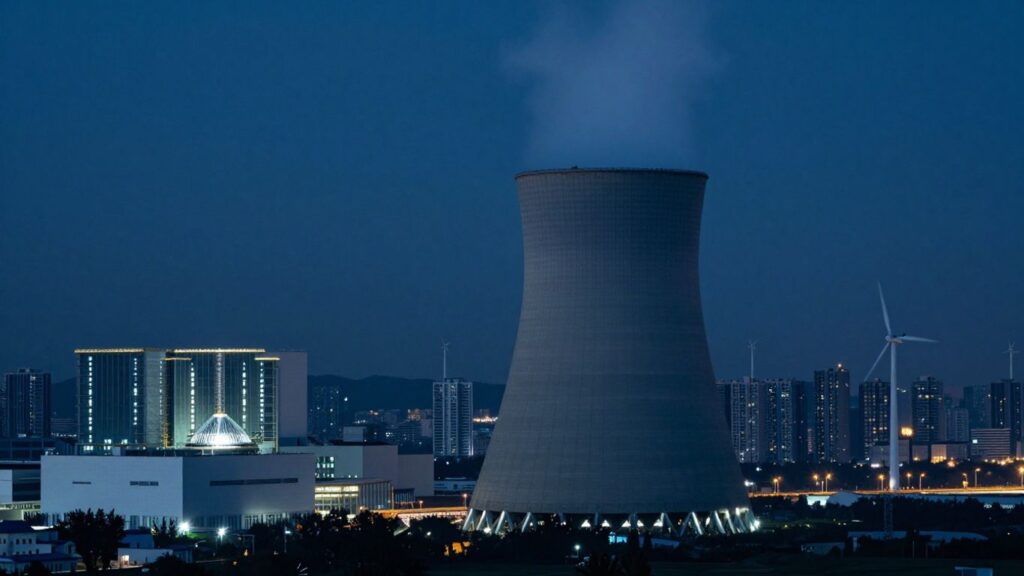

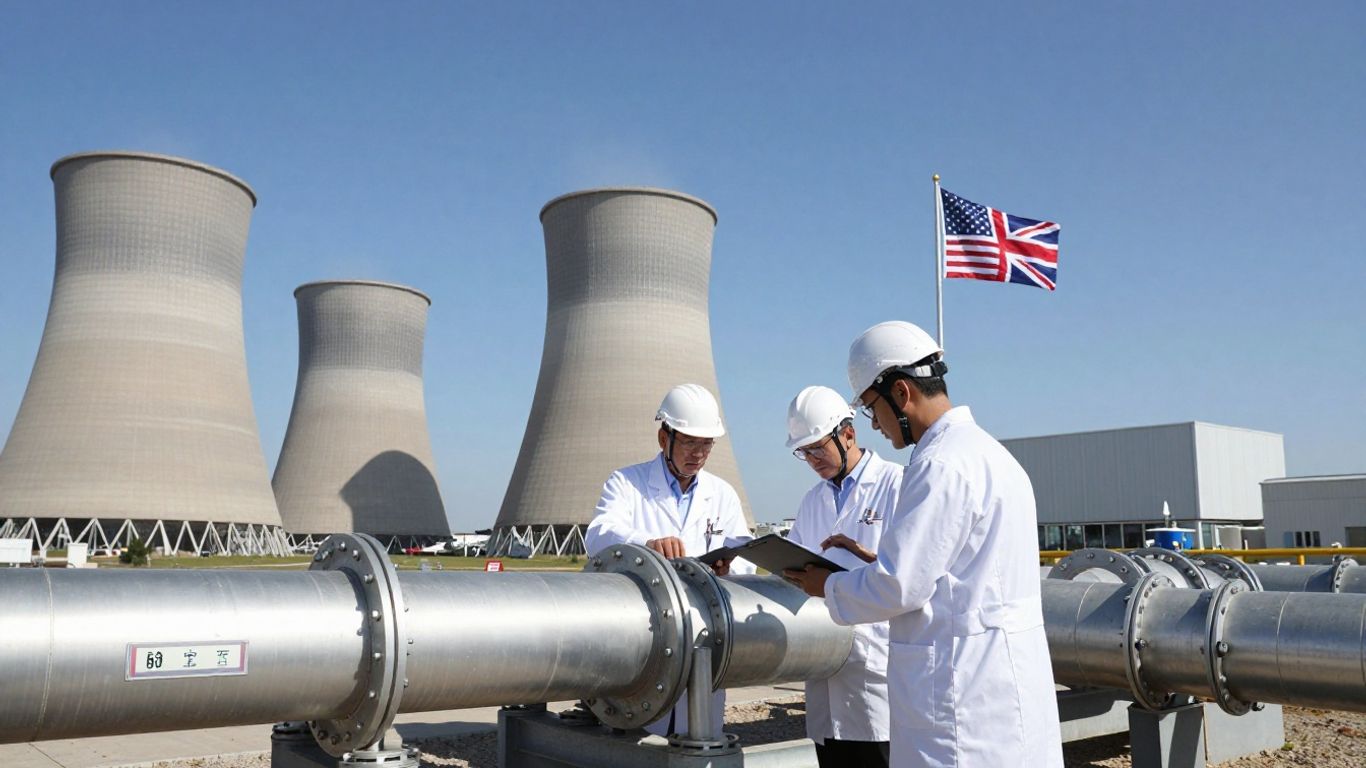
The United Kingdom and United States have unveiled a sweeping set of agreements to launch what leaders are calling a "golden age" of nuclear power. The deals, announced alongside a state visit and landmark Atlantic Partnership for Advanced Nuclear Energy, promise to deliver new reactors, thousands of jobs, and a wave of clean energy investment to both sides of the Atlantic.
Key Takeaways
- Major UK-US partnership to accelerate new nuclear power projects and job creation
- Five commercial deals announced, including advanced and small modular reactors
- Streamlined licensing and regulation, reducing approval processes from years to months
- Britain’s North East and former coal sites poised for investment and redevelopment
- Commitment to eliminating Russian nuclear fuel imports by 2028
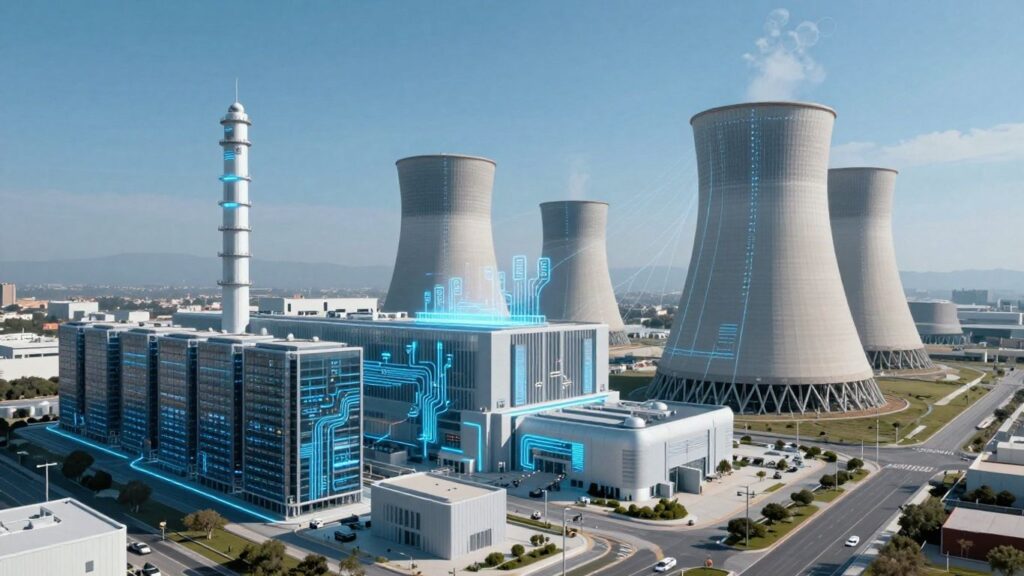
- AI, tech, and data centers to benefit from secure, clean power supplies
New Deals Powering Economic Growth
The agreement between the two nations sets the stage for private companies in both countries to co-develop and build fleets of advanced modular reactors and data centers powered by new small modular nuclear technology. Notable deals include plans for up to 12 advanced reactors at Hartlepool, redevelopment of the Cottam coal plant in Nottinghamshire, and microreactor plants at key UK industrial sites.
This nuclear push is expected to inject tens of billions of pounds into the UK economy, with immediate impact forecast at traditional industrial heartlands and a claimed potential to support at least 2,500 direct jobs in the North East. The expanded nuclear industry already supports 98,000 jobs nationwide.
Regulatory Revolution to Spur Speed and Investment
To ensure swift progress, both governments have agreed to harmonize licensing processes, cutting time for nuclear project approval by half. Shared regulatory assessment and a new UK Nuclear Regulatory Taskforce are central to speeding up deployment of cutting-edge designs, such as those from Rolls-Royce and Holtec.
These reforms aim to eliminate red tape that previously delayed nuclear developments, making Britain and the US more attractive markets for global investment as they seek energy security and decarbonization.
Advancing Energy Security and Breaking Dependency
A pivotal element of the agreement is the joint commitment to phase out imports of Russian nuclear fuel by 2028. Joint partnerships will accelerate the domestic production of advanced fuels needed for next-generation reactors. This bolsters Western energy independence and squeezes out reliance on hostile sources.
High-Tech Growth: Fueling the AI Revolution
Nuclear power’s stability and low carbon footprint position it as the backbone for emerging industries, including AI and tech giants seeking reliable, always-on power for data centers. Among the announced initiatives are collaborations with Microsoft and Centrica to deliver advanced energy for digital infrastructure, signaling a fusion of old industry with new economy demand.
Long-Term Vision: From Jobs to Clean Power
Prime Minister Keir Starmer and US Energy Secretary Chris Wright hailed the deals as transformational, putting both nations on a clear path to leadership in global energy innovation. By doubling down on nuclear, the UK and US expect not just to build cleaner economies but also to reinforce national security and long-term affordability for consumers.
With reforms to siting, new backing for small and modular reactors, and substantial private and public capital committed, this golden age of nuclear signals a tectonic shift in energy policy, investment, and the industrial landscape of both nations.
Further Reading
- Golden age of nuclear delivers UK-US deal on energy security, GOV.UK.
- UK and US firms announce deals in new ‘golden age’ of nuclear power ahead of Trump visit | UK News, Sky News.
- US-UK pact will boost advances in drug discovery, create tens of thousands of jobs and transform lives –
GOV.UK, GOV.UK. - Government to unlock advanced nuclear to grow economy, GOV.UK.
- Government rips up rules to fire-up nuclear power, GOV.UK.