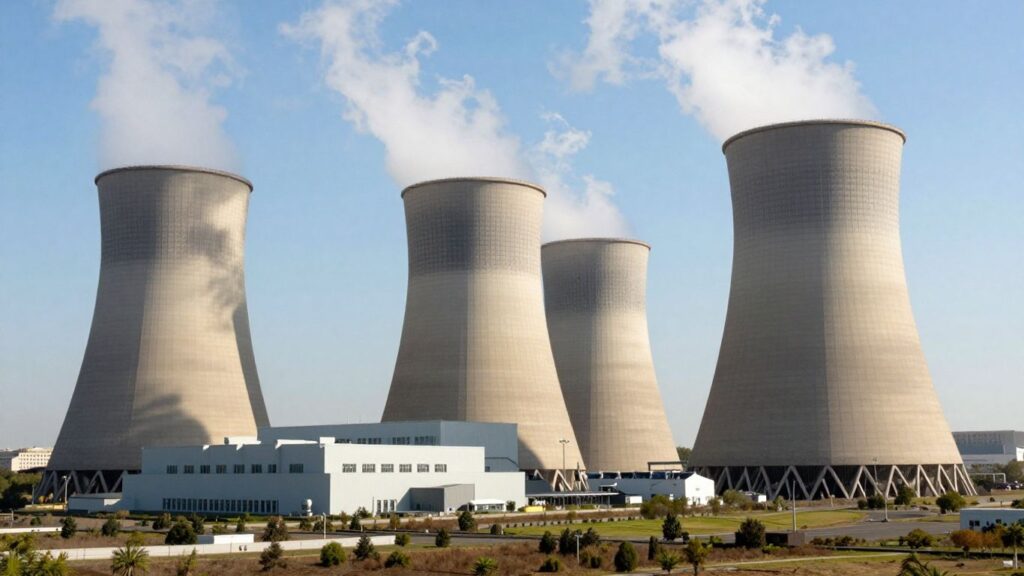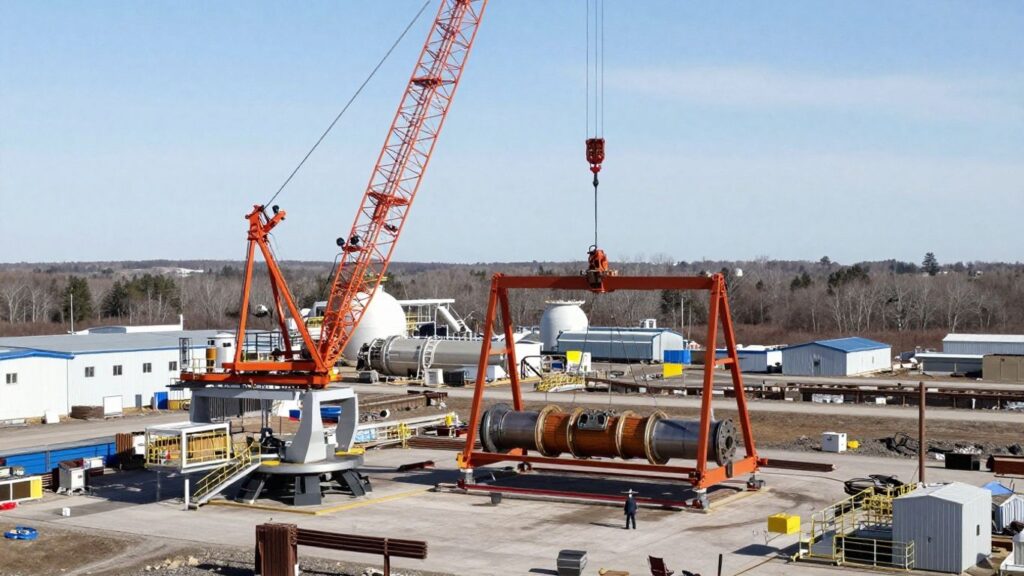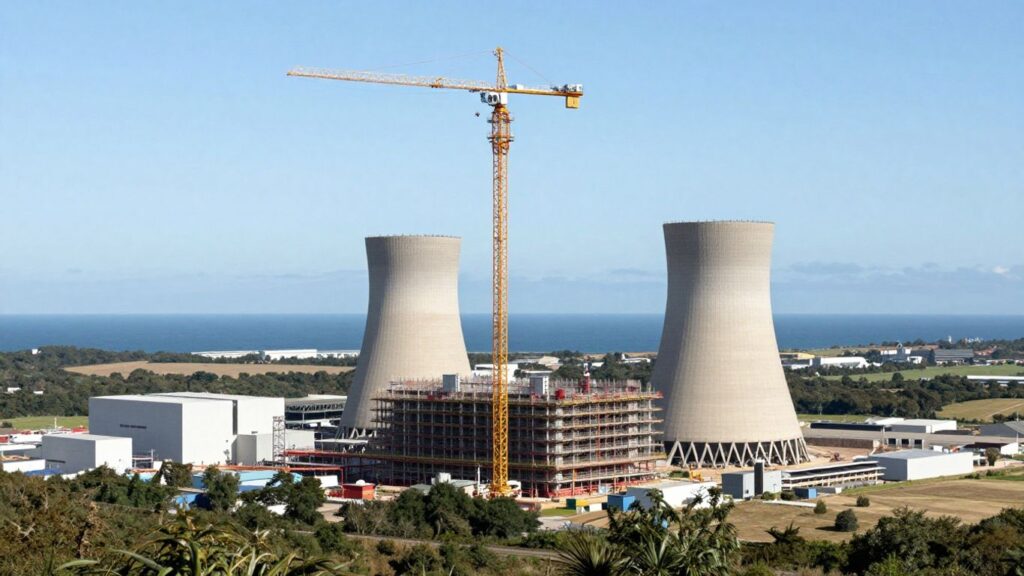

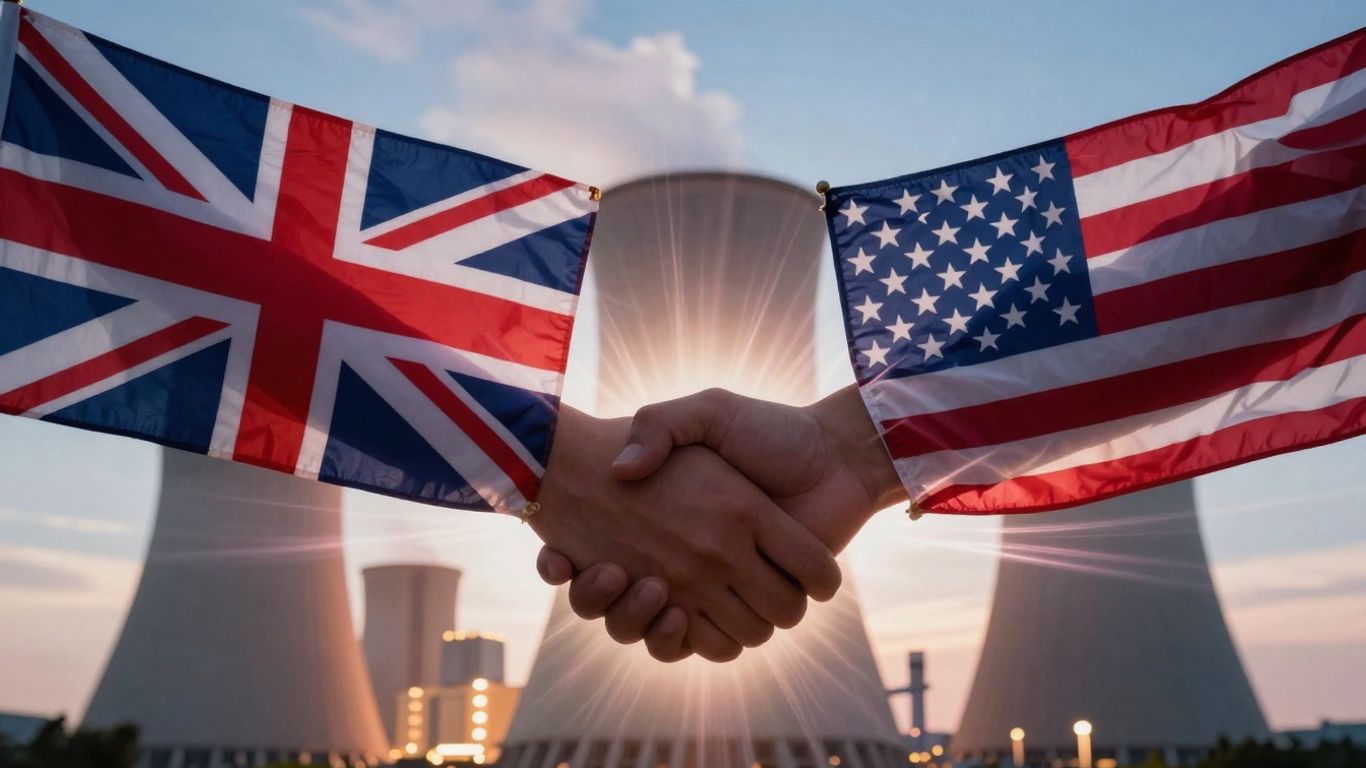
The United Kingdom and the United States have solidified a landmark partnership aimed at bolstering energy security and driving economic prosperity through a significant expansion of nuclear power. This collaboration involves substantial private investment and aims to accelerate the development of new nuclear power stations in both nations, heralding a new era for clean, homegrown energy.
Key Takeaways
- A new UK-US agreement will expedite the licensing process for nuclear projects, potentially halving the time required.
- Significant private investment is expected to flow into new nuclear power plant construction.
- The partnership aims to create thousands of high-skilled jobs across both countries.
- Collaboration extends to advanced nuclear fuel production and fusion energy research.
- The deal seeks to reduce reliance on Russian nuclear materials.
A New Era for Nuclear Power
The agreement between the UK and US governments is set to streamline the process for companies looking to build new nuclear power stations. By reducing regulatory hurdles, such as speeding up the licensing process from several years to approximately two, the partnership aims to accelerate the deployment of nuclear energy. This initiative is a cornerstone of the UK’s ‘energy superpower’ mission, focusing on securing clean, domestic energy sources.
Driving Investment and Job Creation
Several major commercial deals have emerged from this collaboration. X-Energy and Centrica plan to build up to 12 advanced modular reactors in Hartlepool, a project estimated to create 2,500 jobs and generate enough power for 1.5 million homes. Holtec, EDF, and Tritax are set to develop advanced data centers powered by small modular reactors in Nottinghamshire, representing an £11 billion project. Last Energy and DP World are planning one of the world’s first micro modular nuclear power plants. Furthermore, Urenco and Radiant have signed a deal to supply advanced nuclear fuel to the US market, with plans for a UK-based Advanced Fuels Facility.
Strengthening Energy Security and Reducing Global Dependencies
A critical aspect of this partnership is the commitment to eliminate dependencies on Russian nuclear material by the end of 2028. This move aims to further isolate Russia from global energy markets and enhance the resilience of fuel supply chains for both nations. The collaboration also extends to fusion energy, with joint experimental programs leveraging AI technology to develop advanced simulation tools and fast-track progress towards commercial fusion power.
Government Support and Future Outlook
The UK government is backing this expansion with significant investment and policy support. Plans include exploring the construction of a new power station as large as Hinkley C or Sizewell C, and investing up to £300 million in the UK’s production of high-tech nuclear fuel (HALEU), positioning the UK as the first country in Europe to launch such a program. These measures are designed to quadruple the UK’s nuclear power capacity by 2050, making it the biggest expansion in 70 years. The initiative is expected to create tens of thousands of skilled jobs and contribute billions to the economy, reinforcing the UK’s position as a global leader in nuclear technology and energy security.