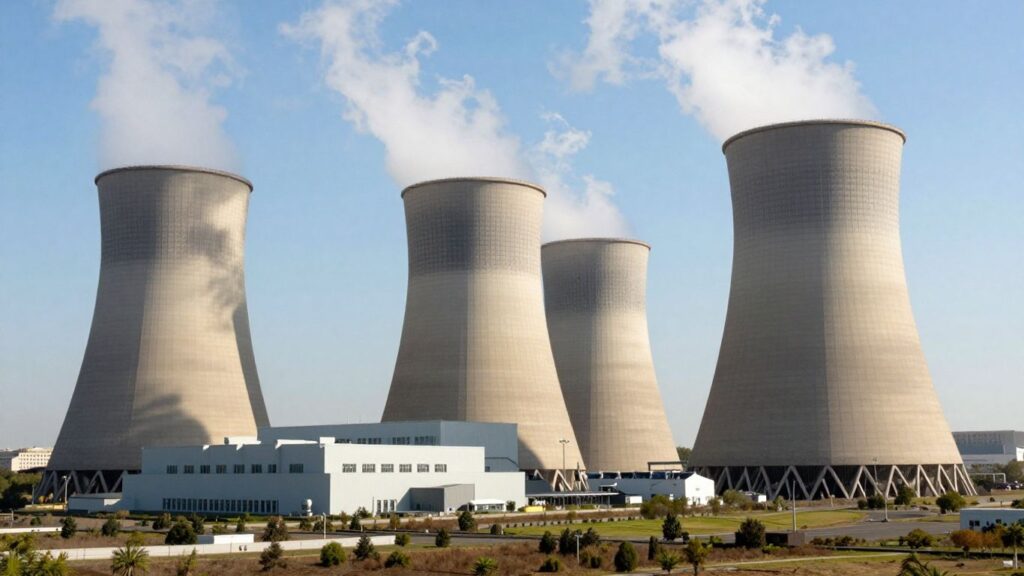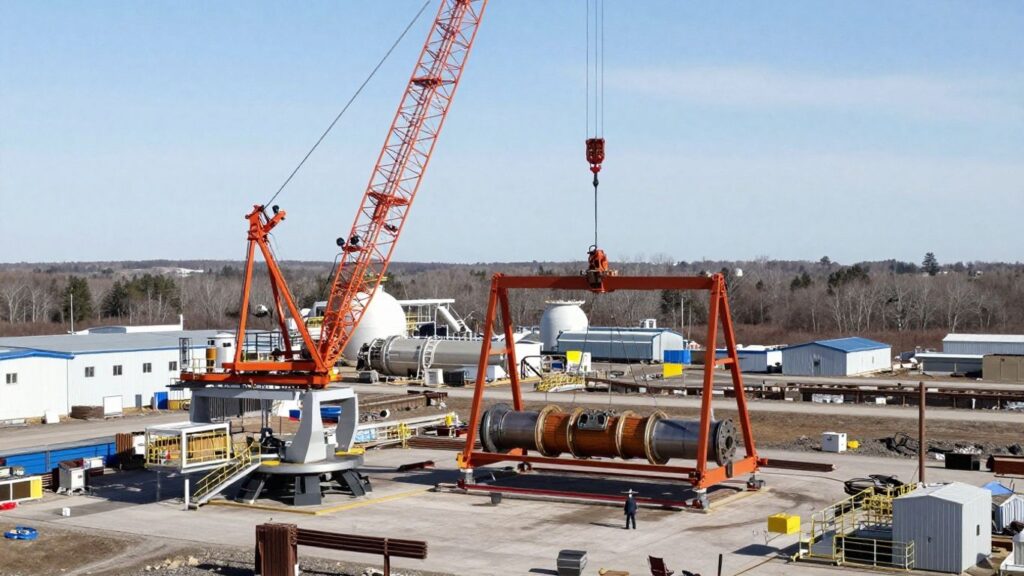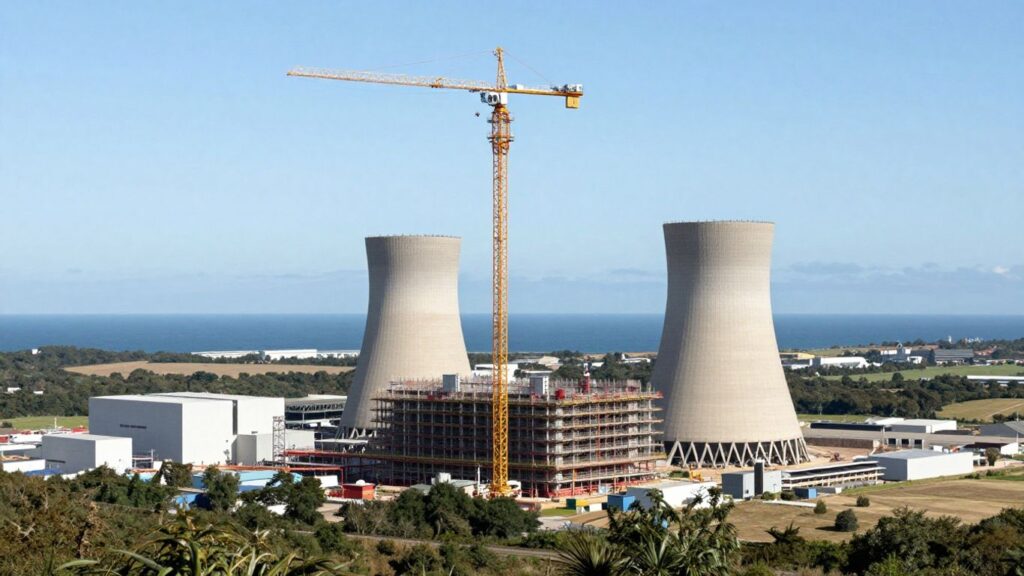

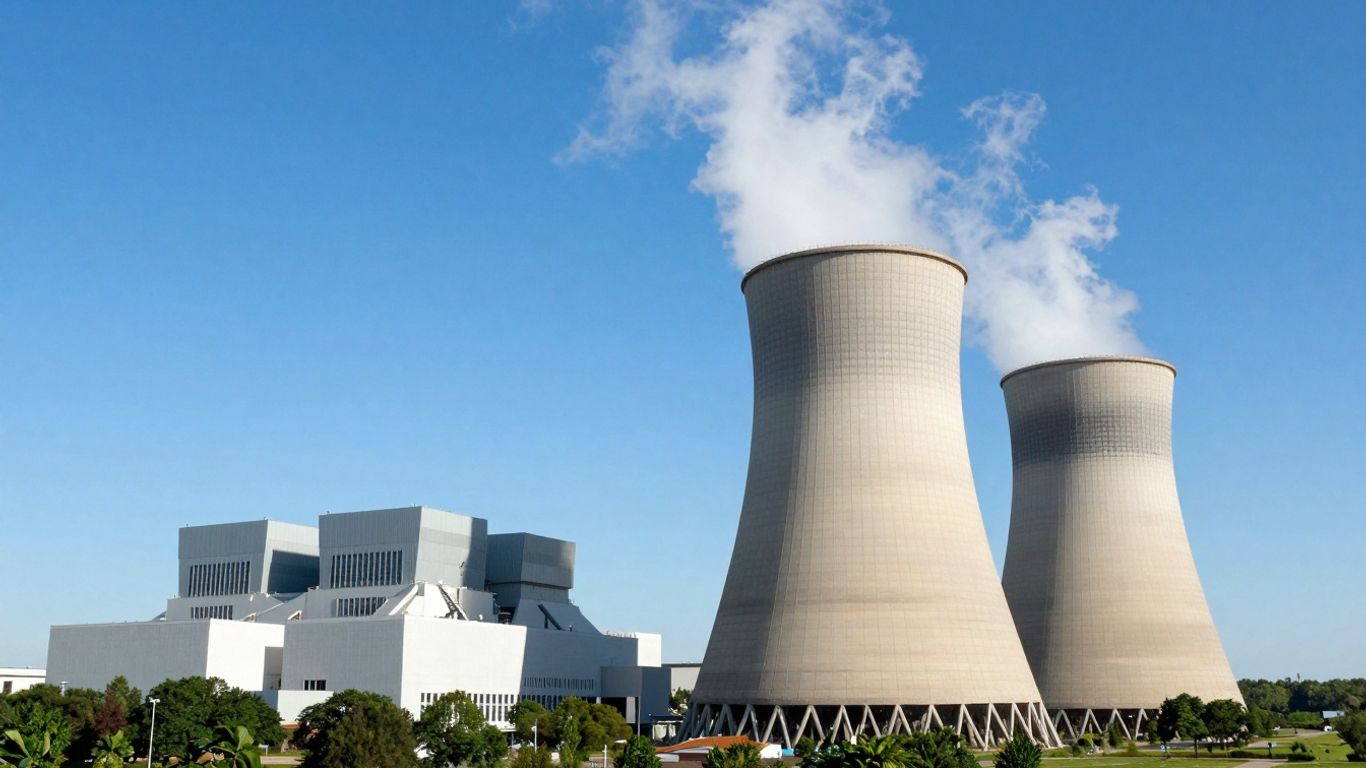
The United States has announced ambitious targets to significantly expand its nuclear energy capacity, aiming to triple it by 2050. This strategic move is designed to bolster energy security, drive economic growth, and meet net-zero emissions goals. The plan involves a multi-faceted approach, including extending the life of existing plants, restarting retired reactors, and deploying new advanced reactor designs.
Key Takeaways
- The U.S. aims to add 35 GW of new nuclear capacity by 2035 and sustain a pace of 15 GW annually by 2040.
- This initiative aligns with a global commitment to triple nuclear capacity by 2050.
- Federal legislation, including the Bipartisan Infrastructure Law and Inflation Reduction Act, provides crucial investments and incentives.
- The expansion will leverage existing plant sites, former coal plant locations, and new manufacturing techniques.
- Efforts are underway to secure a domestic nuclear fuel supply chain, reducing reliance on foreign entities.
Driving Towards Net-Zero Emissions
Nuclear power is currently the largest source of clean electricity in the U.S., preventing over 470 million metric tons of carbon dioxide emissions annually. To meet future energy demands and achieve net-zero emissions by 2050, the U.S. Department of Energy estimates a need for an additional 200 gigawatts (GW) of new nuclear capacity. This new framework, established at the U.N. climate summit (COP29), outlines over 30 government actions to support industry and power customers in expanding domestic capacity.
Building New Capacity and Modernizing Infrastructure
Achieving these targets will require building new reactors at a pace not seen since the 1970s. This will involve design standardization, advanced manufacturing, and learning from past projects. Both large-scale reactors and new small modular and microreactor designs are expected to contribute to meeting diverse energy needs. Preliminary research suggests that existing nuclear power plant sites could accommodate up to 60 GW of new capacity with large-scale reactors, and potentially 95 GW with small modular reactors. Furthermore, former coal plant sites could host an additional 128 to 174 GW of new capacity, leveraging existing infrastructure and local workforces.
Policy and Investment Fueling Growth
Recent legislative actions, such as the Bipartisan Infrastructure Law, Inflation Reduction Act, and the ADVANCE Act, are creating significant momentum for the nuclear sector. These policies provide financial incentives and streamline regulatory processes, making it more feasible to extend the life of existing plants, restart retired reactors, and develop new technologies. The U.S. is also focused on rebuilding its workforce and supply chains, and securing a reliable supply of nuclear fuel, such as high-assay low-enriched uranium, independent of foreign influence.
Sources
- U.S. Sets Targets to Triple Nuclear Energy Capacity by 2050, Department of Energy (.gov).