
In a significant shift for the energy sector, major technology companies are making substantial investments in nuclear power to meet the escalating energy demands of artificial intelligence (AI) data centers. This strategic pivot aims to secure reliable, carbon-free electricity, addressing both climate goals and the immense power needs of advanced computing.
Key Takeaways
- Big Tech companies like Microsoft, Google, and Amazon are investing heavily in nuclear power to fuel their AI data centers.
- This move is driven by the immense and growing electricity demands of AI, which threaten climate commitments.
- Investments range from supporting the restart of existing plants to funding the development of new Small Modular Reactors (SMRs).
- While nuclear offers a consistent power source, challenges remain regarding the timeline for new reactor deployment and the management of nuclear waste.
The AI Energy Crunch
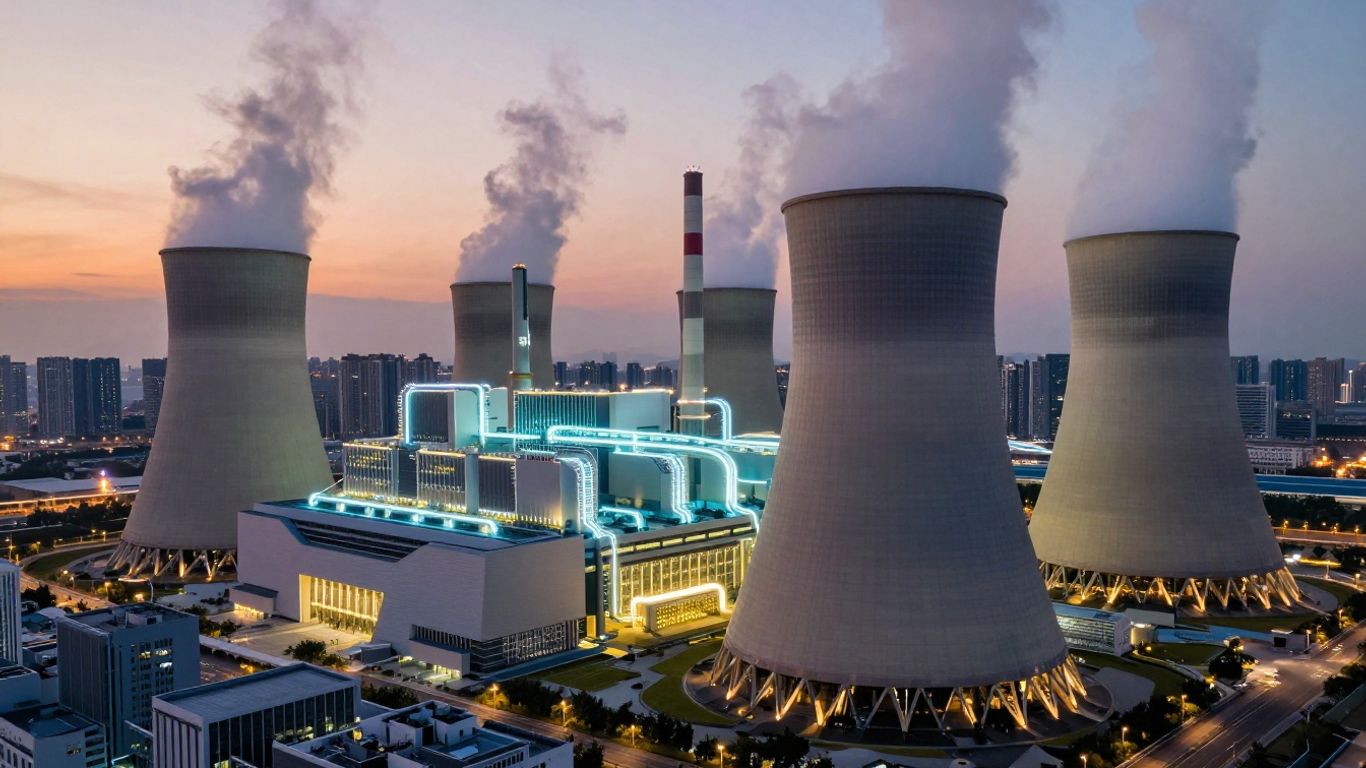
The rapid proliferation of AI technologies has created an unprecedented demand for electricity. Data centers, the backbone of AI operations, consume vast amounts of power, with projections indicating a significant surge in energy needs in the coming years. This surge poses a challenge for tech giants striving to meet ambitious net-zero emission goals. Traditional renewable sources like solar and wind, while crucial, cannot always provide the consistent, 24/7 power required by these facilities.
A Nuclear Renaissance?
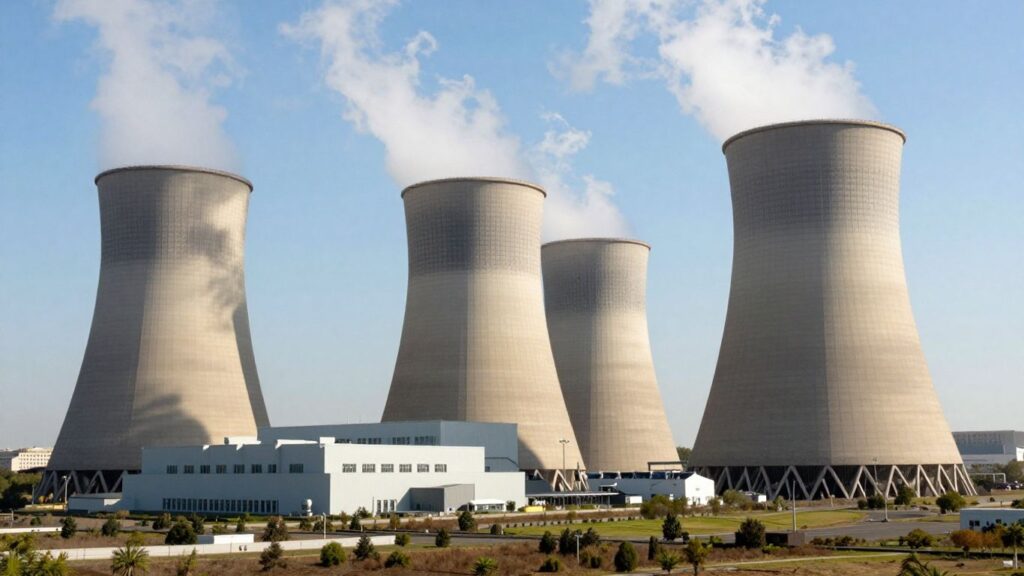
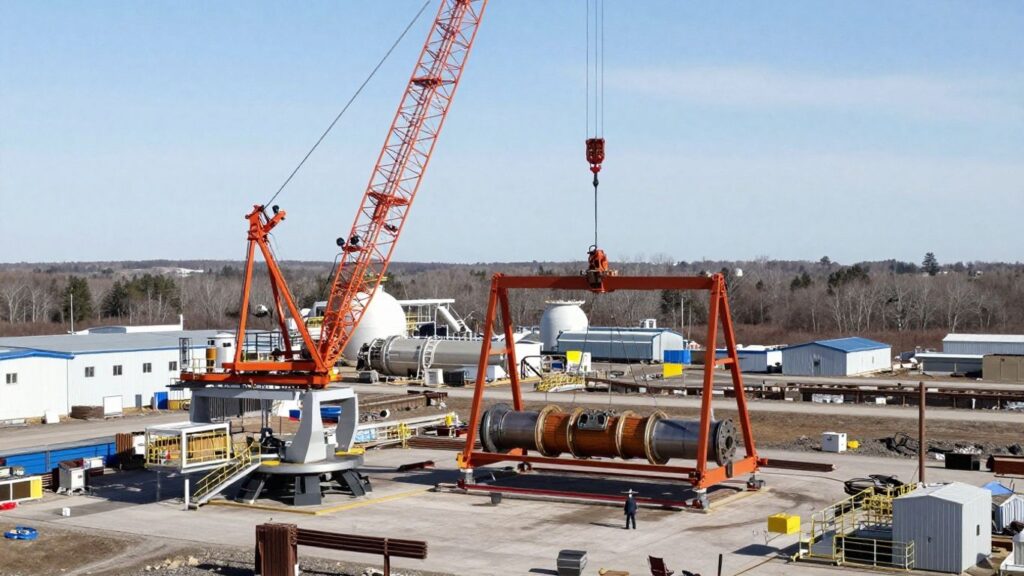
In response, companies are turning to nuclear power, a source known for its reliability and carbon-free output. Microsoft’s significant investment to restart the Three Mile Island nuclear plant is a prime example. Other tech giants, including Google and Amazon, are backing startups developing Small Modular Reactors (SMRs). These SMRs are touted as potentially cheaper, faster to build, and more flexible than traditional large-scale reactors.
Promises and Pitfalls of New Nuclear
Proponents highlight the advantages of nuclear energy, such as its "firm, carbon-free" nature, which ensures a constant power supply. Google, for instance, is partnering with companies like Kairos Power to develop advanced reactor designs. Amazon is investing in X-energy, another SMR developer.
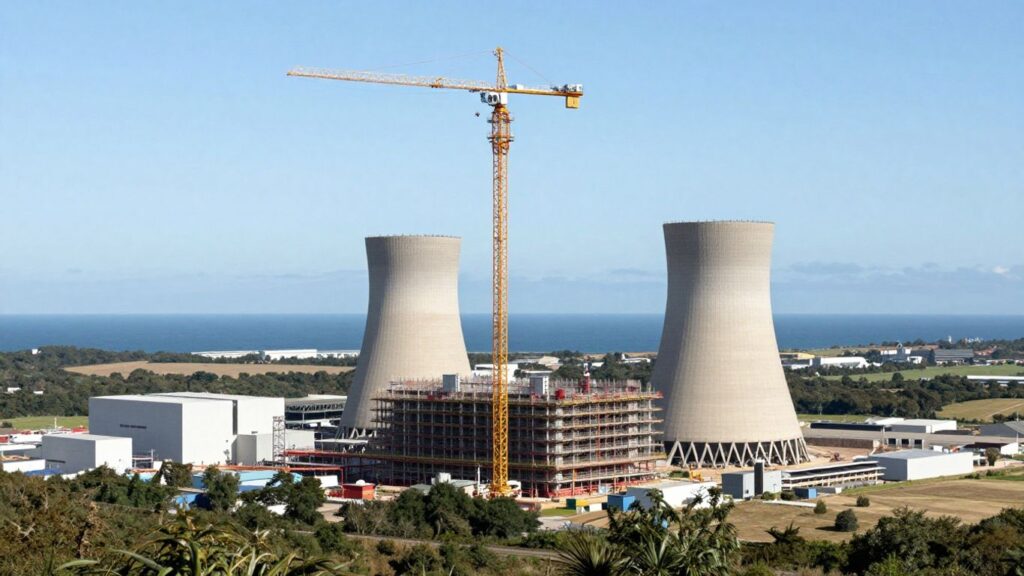
However, the path forward is not without obstacles. Critics point out that many SMR designs are still in the development phase, with few having been demonstrated at scale. The timeline for bringing these new technologies online may not align with the immediate energy needs of rapidly expanding data centers. Furthermore, concerns about nuclear waste disposal and public safety risks persist, requiring robust regulatory oversight.
Bridging the Gap
Experts note a potential mismatch between the urgent energy demands of data centers and the lengthy construction timelines for new nuclear facilities. While new SMRs could offer a solution in the longer term, the immediate future might see continued reliance on fossil fuels or the extension of life for existing nuclear plants. The decision to invest in nuclear power is seen by some as a long-term strategy, with immediate needs potentially being met by other sources.
A Multifaceted Energy Future
Ultimately, the consensus among many in the industry is that a diverse energy portfolio will be necessary. While nuclear power is gaining significant traction due to AI’s demands, it is expected to be part of a broader energy mix that includes renewables, energy storage, and other clean technologies to meet both energy demand and climate objectives.
Sources
- Big Tech goes all-in on nuclear as data centers proliferate, Marketplace.org.
- Big Tech’s big bet on nuclear power to fuel artificial intelligence, CBS News.
- Can nuclear power really fuel the rise of AI?, MIT Technology Review.
- US energy firms spend big on data centre power – and more top energy stories, The World Economic Forum.