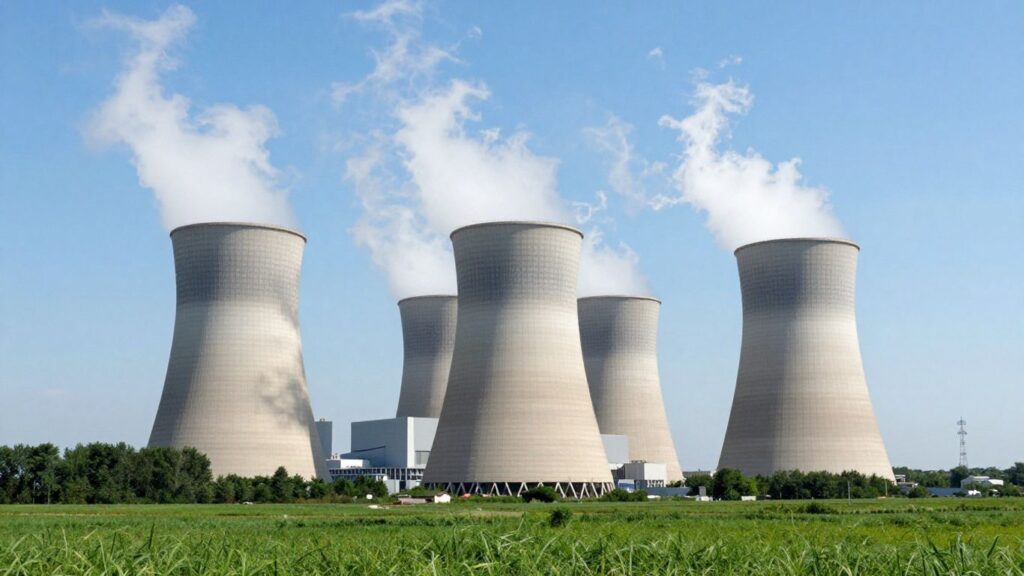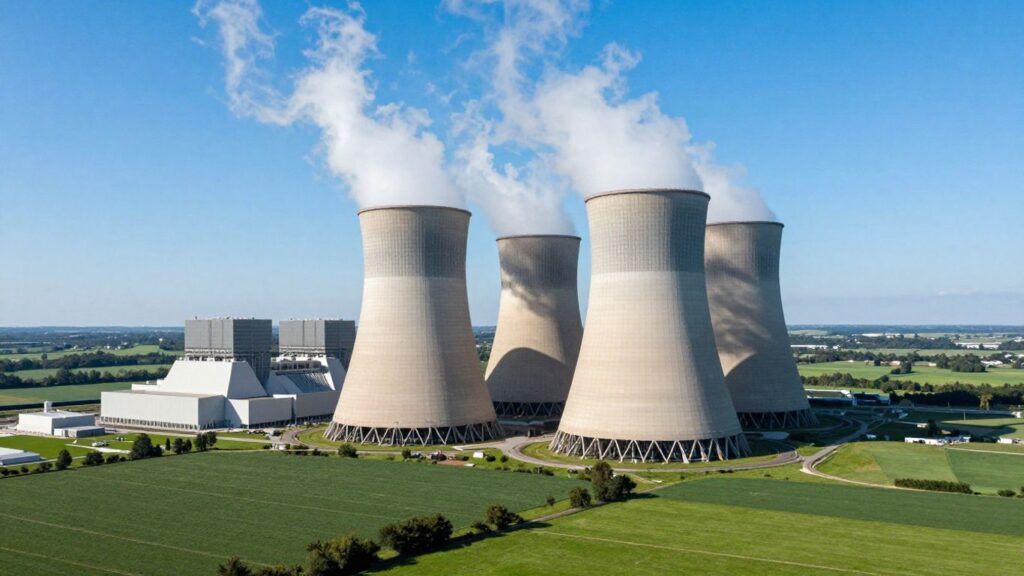

Small modular reactors (SMRs) are capturing the attention of governments and the energy sector as the next big thing in clean, reliable power. Recent developments in North America and the UK highlight SMRs as key to meeting rising electricity demands and strengthening energy security.
Key Takeaways
- SMRs offer cleaner, safer, and more flexible nuclear energy compared to traditional reactors.
- North Wales and Ontario are pioneering government-backed SMR projects.
- The U.S. is focusing on policy and regulatory reform to speed up SMR deployment.
SMRs: Innovation in Nuclear Technology
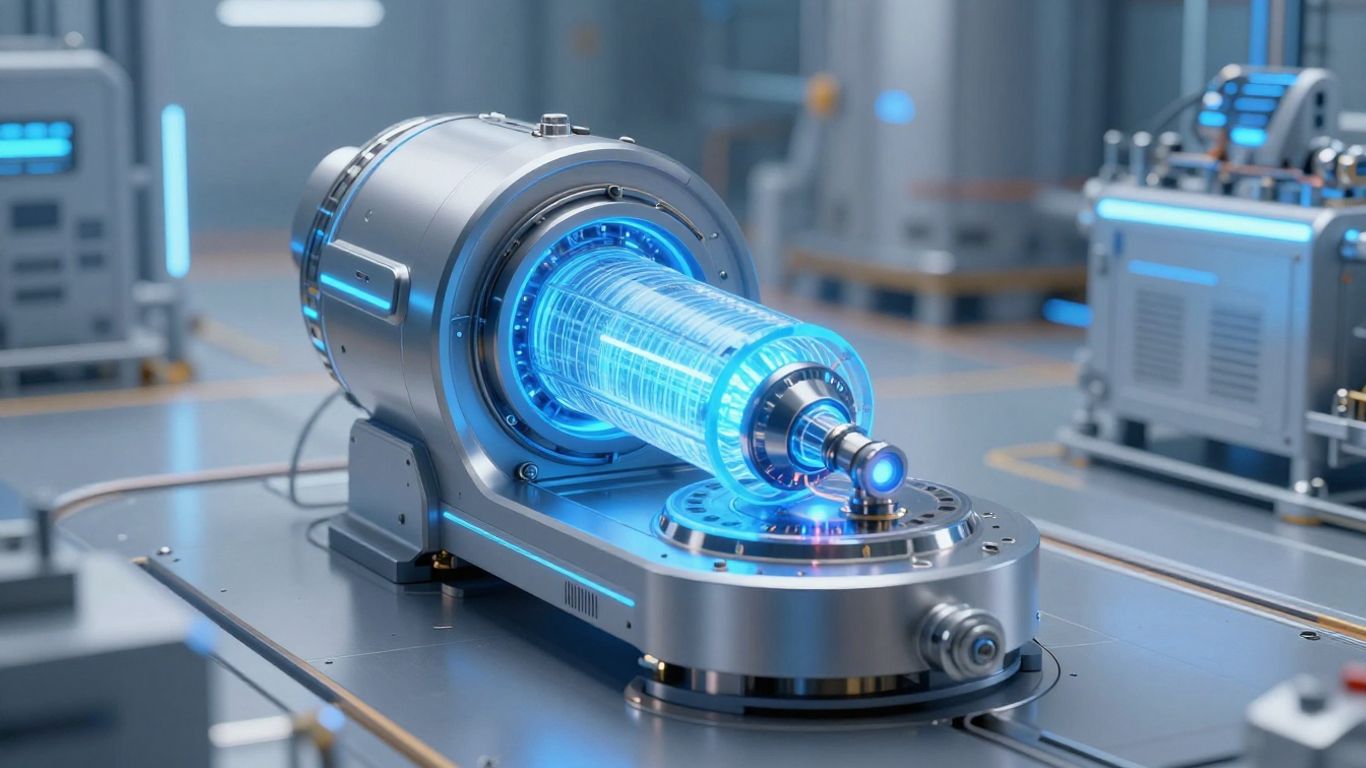
Unlike conventional nuclear plants that generate over 1,000 megawatts, SMRs are designed for outputs between 1 and 300 megawatts. Their modular architecture allows them to be constructed in factories and assembled on-site, which can greatly reduce construction times and costs. The compact size and flexibility make SMRs suitable for a range of applications, from powering cities to supporting the energy needs of tech-heavy operations like data centers.
International Momentum: Projects in North America and the UK
Governments worldwide are stepping up investment in SMRs. In the UK, North Wales will soon host the nation’s first SMR power station at Wylfa, supporting thousands of new jobs and boosting regional economies. The site, chosen for its nuclear heritage and strategic value, is expected to supply energy to approximately 3 million homes by the mid-2030s. Similarly, Ontario is leading the G7 with its own SMR buildout, reinforcing Canada’s commitment to clean energy leadership.
These projects aim to bring national and regional benefits, including:
- Job creation and support for local economies.
- Acceleration toward domestic energy independence.
- Opportunities for international technology export.
The U.S. Approach: Policy, Investment, and Challenges
While the U.S. sees the value in SMRs, the industry faces substantial challenges:
- Regulatory Barriers: Existing approval processes at agencies like the Nuclear Regulatory Commission are lengthy and unpredictable, adding to uncertainty and cost.
- Investment and Market Risks: Building new nuclear facilities requires long-term financing and bipartisan political support. Unexpected shifts could jeopardize ongoing projects.
- Technological Hurdles: New reactor designs must prove safe, reliable, and cost-effective compared to rapidly advancing renewables and gas.
Despite these hurdles, American policymakers and industry leaders are calling for more streamlined regulatory pathways, increased federal support throughout the development stages, and a clear national strategy that unites various agencies around a common goal.
What’s Next for SMRs?
As electricity demand grows—driven in large part by data centers and electrification—the role of SMRs is set to increase. To succeed, the U.S. will need:
- Cohesive, consistent, and bipartisan policies.
- Continued investment across research, development, and deployment.
- Reforms to reduce approval times and coordinate government agencies.
With international collaboration and targeted public investment, SMRs could be a cornerstone of the global transition to clean, reliable energy.
References
- Think small: Why America should bet on small modular reactors, Utility Dive.
- Ontario Newsroom, Ontario Newsroom.
- North Wales to pioneer UK’s first small modular reactors, GOV.UK.