

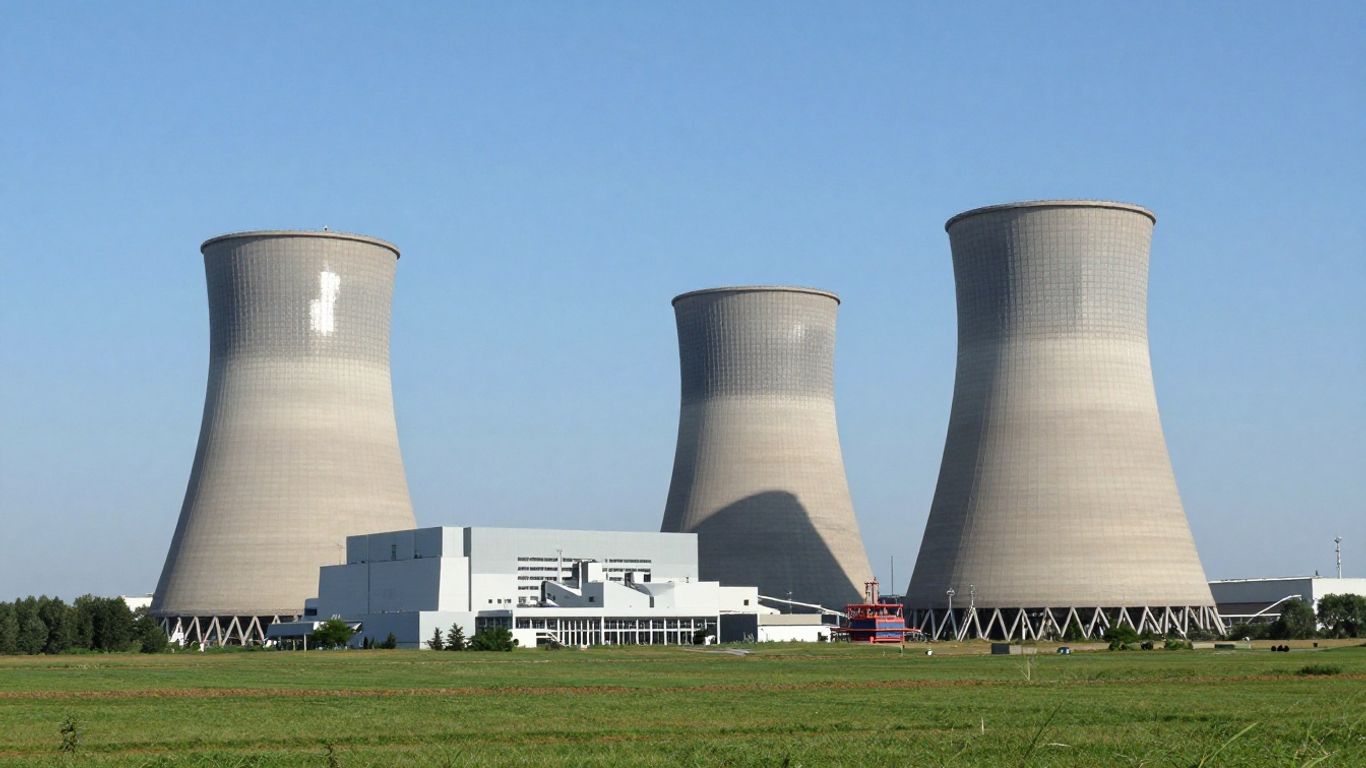
The Sizewell C nuclear power plant project has received a significant financial boost, with the UK government committing £14.2 billion and French energy giant EDF confirming a 12.5% stake. This substantial investment marks a crucial step towards realizing the project, which aims to provide clean energy for millions of homes and create thousands of jobs.
Key Takeaways
- The UK government has committed £14.2 billion to the Sizewell C nuclear power plant.
- French energy company EDF will take a 12.5% stake in the project.
- Sizewell C is expected to create 10,000 direct jobs during peak construction.
- The plant aims to generate enough energy to power six million homes.
- The project is seen as vital for the UK’s energy security and transition to clean energy.
Government’s Commitment to Clean Energy
The UK government’s substantial investment is part of a broader strategy to bolster the nation’s energy security and achieve its net-zero targets. Energy Secretary Ed Miliband highlighted the decision as a move towards a "golden age of clean energy," emphasizing the need to reduce reliance on volatile fossil fuel markets. The project is expected to replicate the success of the Hinkley Point C nuclear power station, with expectations that Sizewell C can be built more efficiently.
EDF’s Strategic Investment
EDF’s confirmation of a 12.5% stake signifies a major boost for the Sizewell C project, positioning it as a key component of the UK’s future energy mix. This investment, alongside the government’s funding, brings the project closer to a Final Investment Decision, anticipated for later this summer. The collaboration underscores the strong relationship between the UK and France in civil nuclear energy.
Economic and Employment Impact
Sizewell C is projected to be a significant economic driver, creating 10,000 direct jobs at its peak construction phase, with thousands more anticipated in the nationwide supply chain. The project also aims to create 1,500 apprenticeships, fostering a skilled workforce for the future. Seventy percent of the construction value is expected to be awarded to British businesses, with an estimated 3,500 UK companies participating in the supply chain.
Opposition and Concerns
Despite the significant investment and government backing, the Sizewell C project has faced opposition. Critics, such as Alison Downes from Stop Sizewell C, have raised concerns about the project’s overall cost and the transparency of negotiations with private investors. There are also fears that the project could lead to increased consumer bills, drawing parallels to the challenges faced by the HS2 railway project.
Project Timeline and Funding Model
Once construction begins, Sizewell C is expected to take at least a decade to complete. The project’s funding model involves a mixture of equity and debt, with the government becoming the largest shareholder. The estimated cost of construction is around £38 billion, with incentives in place for owners to manage costs effectively. The government’s investment is consolidated onto its balance sheet, with safeguards to protect taxpayers in case of cost overruns.