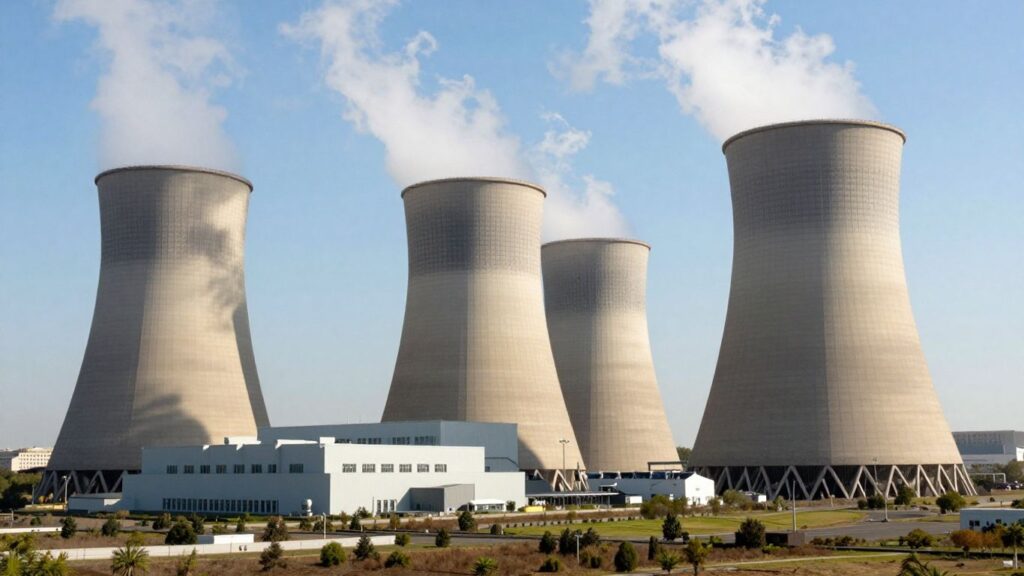

In a bold move to meet skyrocketing energy demands and climate goals, tech giants like Amazon, Google, Microsoft, and now Meta are making multi-billion-dollar bets on nuclear power. These investments reflect both the surging need for electricity to fuel artificial intelligence (AI) and a commitment to cleaner energy sources.
Key Takeaways
- Big Tech firms are turning to nuclear power to supply energy-hungry AI and data centers.
- Microsoft and Meta have secured long-term deals with nuclear power providers.
- Google and Amazon are betting on new technologies like small modular reactors (SMRs).
- The initiatives aim to accelerate decarbonization while coping with AI-driven energy demands.
Tech’s Growing Appetite for Clean and Reliable Power
AI’s rapid development has sent energy needs for server farms and data centers soaring. Traditional renewable sources like wind and solar, while vital, offer intermittent power. Nuclear plants, with their around-the-clock output and zero carbon emissions, are seen as essential for meeting both the reliability and sustainability targets set by the tech industry.
Microsoft made headlines by signing a $1.6 billion deal to revive part of the historic Three Mile Island nuclear plant in Pennsylvania, hoping to create a stable energy pipeline for its expanding data operations. Meta (Facebook’s parent company) followed with a 20-year agreement to draw power from an Illinois nuclear facility, preserving local jobs and ensuring clean electricity for its rising AI activities.
Embracing Advanced Reactors: The Small Modular Revolution
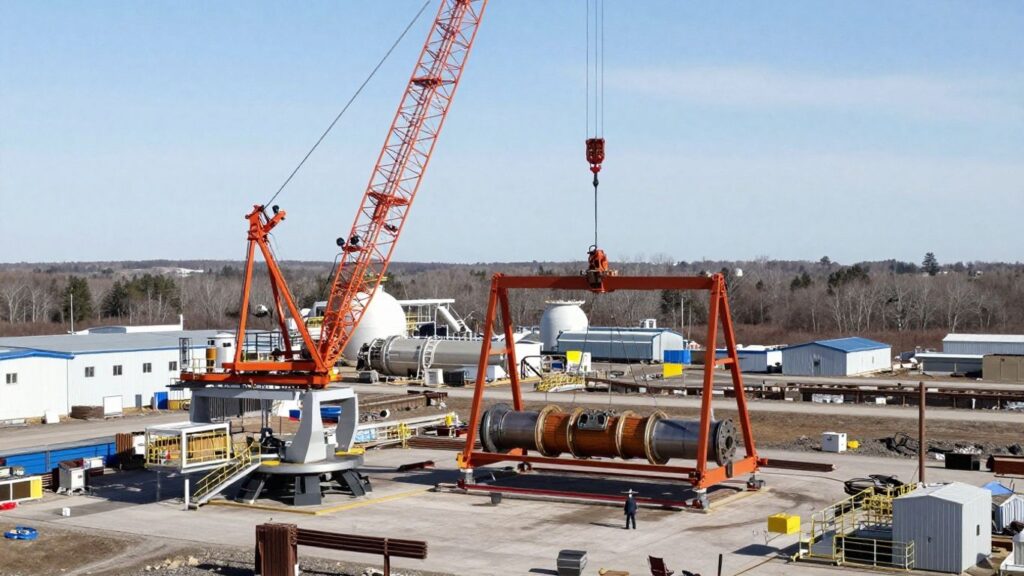
Google and Amazon are charting a new path by investing in small modular reactors (SMRs), a next-generation nuclear technology. Unlike conventional nuclear plants, SMRs are compact, scalable, and potentially less costly. Google is partnering with a start-up to design demonstration SMRs that could be online by 2030, while Amazon is exploring SMRs for its own growing infrastructure.
Experts believe these reactor designs could make nuclear expansion more feasible and affordable. However, critics warn that most SMRs are still in development, and technical, regulatory, and financial hurdles remain. Nonetheless, tech companies see these investments as vital to hitting ambitious zero-carbon goals within the decade.
Policy and Market Dynamics
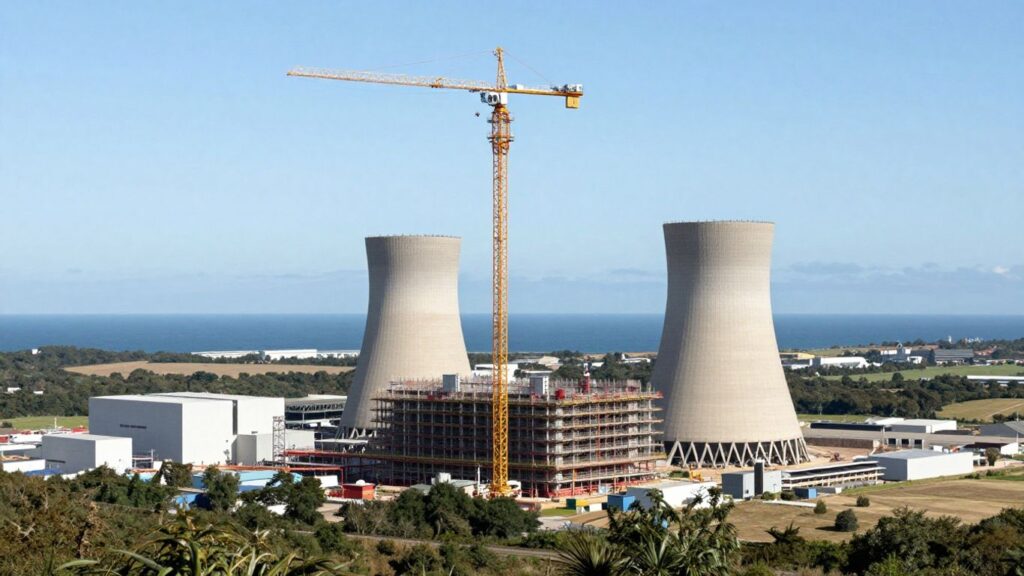
The surge of tech interest is already shaping energy landscapes. States are introducing new subsidies and updating regulations to attract nuclear projects. Federal pipelines for advanced reactor designs are busier than ever. But building new large nuclear reactors has historically been expensive and slow, with recent US plants delayed and over budget. Grid upgrades also lag behind, raising concerns about efficiently distributing the new power.
The Road Ahead
Big Tech’s nuclear push signals a paradigm shift in corporate energy strategy. While wind and solar remain pillars of green power, the relentless energy demand from AI is making nuclear an increasingly attractive complement. Whether the promise of next-gen reactors and modernized energy infrastructure can be realized quickly enough remains uncertain—but the stakes for both tech and climate are higher than ever.
Sources
- Big Tech’s big bet on nuclear power to fuel artificial intelligence, CBS News.
- Meta becomes the latest big tech company turning to nuclear power for AI needs, AP News.
- Big Tech’s big bet on nuclear power, CBS News.
- Google joins Big Tech’s move into nuclear power, and other top energy stories, The World Economic Forum.
- Amazon, Google and Microsoft Are Investing in Nuclear Power, The New York Times.