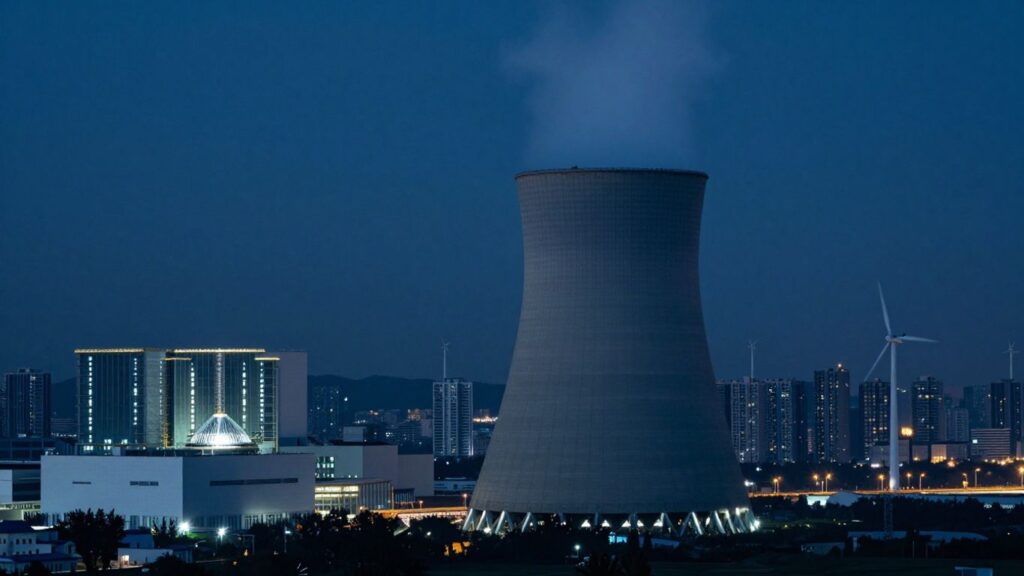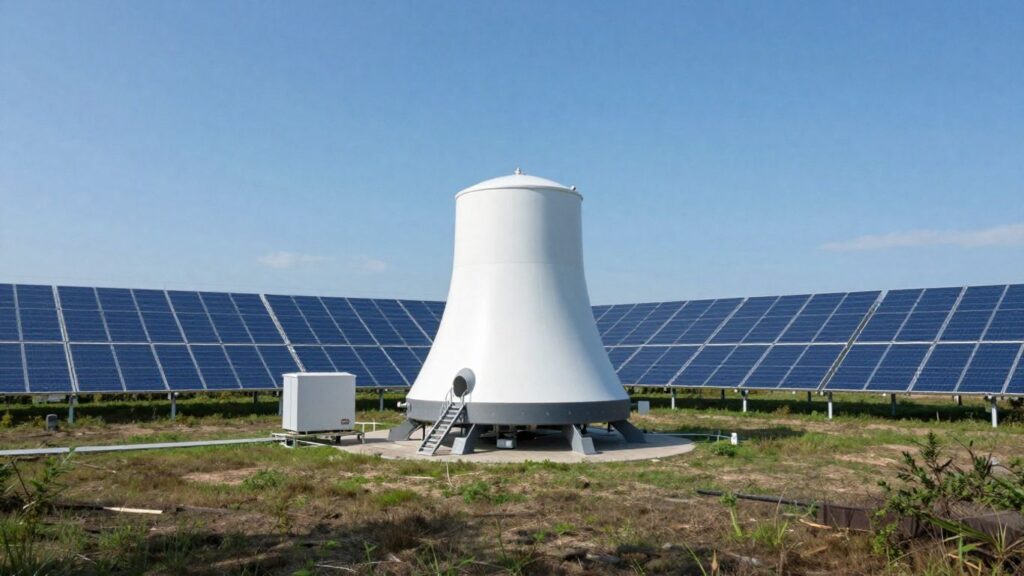

Major technology firms including Amazon, Google, Microsoft, and Meta are making unprecedented investments in nuclear energy. The surging demand for power-intensive AI development is driving this shift from traditional renewables to a focus on both existing reactors and next-generation nuclear technologies that promise cleaner, round-the-clock electricity.
Key Takeaways
- Big Tech is rapidly ramping up nuclear energy procurement to meet AI-driven energy demands.
- Both traditional nuclear plants and emerging small modular reactors (SMRs) are central to these strategies.
- The trend is spurring policy shifts, investments in start-ups, and debates about nuclear’s long-term viability and challenges.
Why Big Tech Is Turning to Nuclear Energy
Artificial intelligence is transforming the technology landscape, but it comes with a steep energy price. Data centers running advanced AI models use far more electricity than conventional servers. While big tech companies have long championed wind and solar power, AI’s demand for nonstop, reliable power reveals limitations in these renewables.
Nuclear power, with its constant output and zero direct carbon emissions, is emerging as the go-to solution. Companies see it as essential for hitting promised sustainability goals while radically expanding AI computing capabilities.
Major Deals and Industry Moves
- Microsoft: Announced a $1.6 billion investment to restart the historic Three Mile Island plant, expected to deliver decades of stable power more cheaply and quickly than building from scratch.
- Google: Partnering with Kairos Power and other startups to bring small modular reactors (SMRs) online by 2030, aiming for a flexible and scalable answer to energy demands.
- Meta: Signed agreements with Vistra Corp for existing reactor power and with SMR pioneers Oklo and TerraPower, targeting more than 6 GW in additional clean capacity by 2035.
- Amazon: Investing in SMR technologies to future-proof its AWS data centers with a mix of contracted and potential self-operated power sources.
These moves have sent nuclear energy stocks surging and prompted a wave of similar deals across the industry.
Policy and Market Impact
Government interest is rising alongside corporate investments. New initiatives seek to speed up reactor permitting and construction, especially as both the US and international governments set ambitious nuclear goals to support economic growth and clean power targets.
Traditional challenges persist—high up-front costs, regulatory hurdles, and concerns over waste management and public safety. Critics note that most SMR designs are still unproven outside of a handful of demonstration projects.
What’s Next for Nuclear and Tech
Nuclear’s role among clean energy sources is seeing a renaissance, but the timeline remains a concern. While tech giants have the capital and determination to experiment with new energy models, bringing SMRs and other advanced reactors into common use may take longer than the AI boom itself lasts.
In the meantime, the nuclear industry’s future may hinge on Big Tech’s deep pockets, long-term power contracts, and willingness to take on substantial technical risk. As AI continues to push the limits of power consumption, nuclear energy could become one of the defining features of the next stage of computing and climate strategy.
Sources
- Trump administration bets big on nuclear power as AI drives soaring energy demand, WBFF.
- Big Tech goes all-in on nuclear as data centers proliferate, Marketplace.org.
- These Nuclear Energy Stocks Are Soaring Thanks to Deals With Meta, Investopedia.
- Big Tech’s big bet on nuclear power to fuel artificial intelligence, CBS News.
- Amazon, Google and Microsoft Are Investing in Nuclear Power, The New York Times.