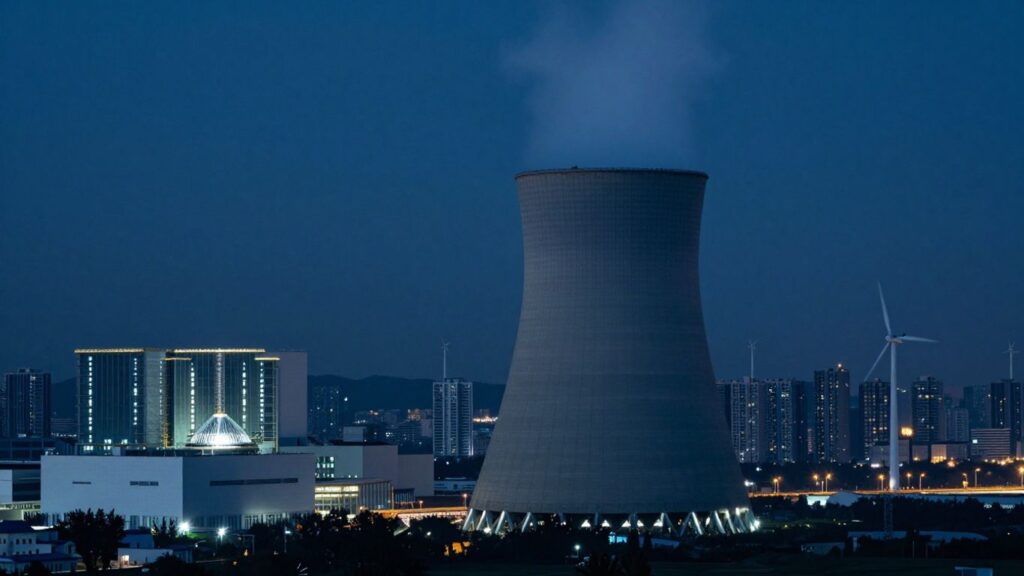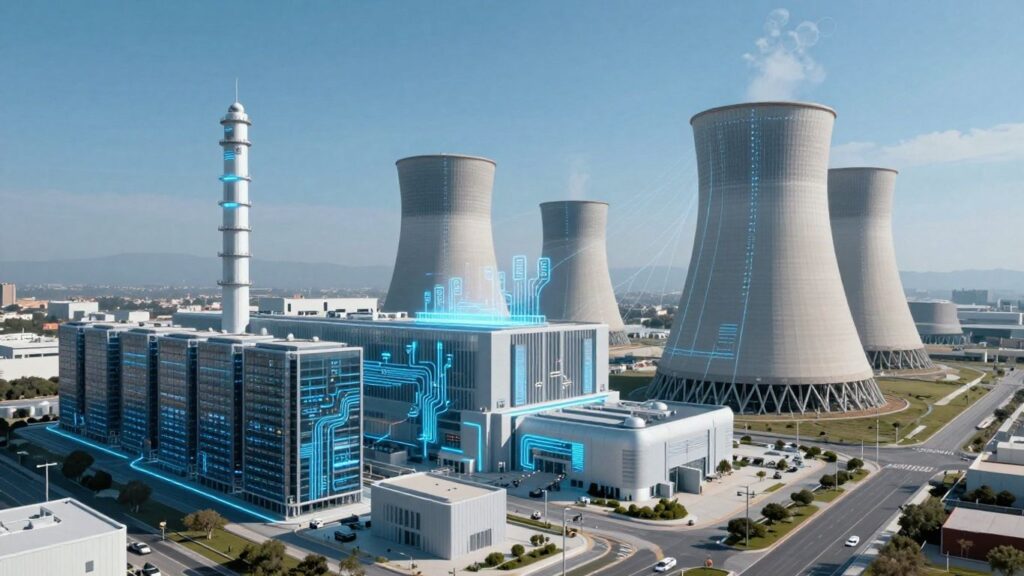

Ontario has announced plans to construct the first small modular reactor (SMR) within a G7 country, marking a major advancement in clean energy innovation and leadership. The groundbreaking project will strengthen Ontario’s low-carbon electricity grid and reinforce Canada’s commitment to sustainable energy solutions.
Key Takeaways
- Ontario will build the G7’s first small modular reactor (SMR).
- Project reaffirms Ontario’s commitment to clean, reliable energy.
- SMRs are advanced, compact, and could transform the nuclear energy sector.
What Is a Small Modular Reactor?
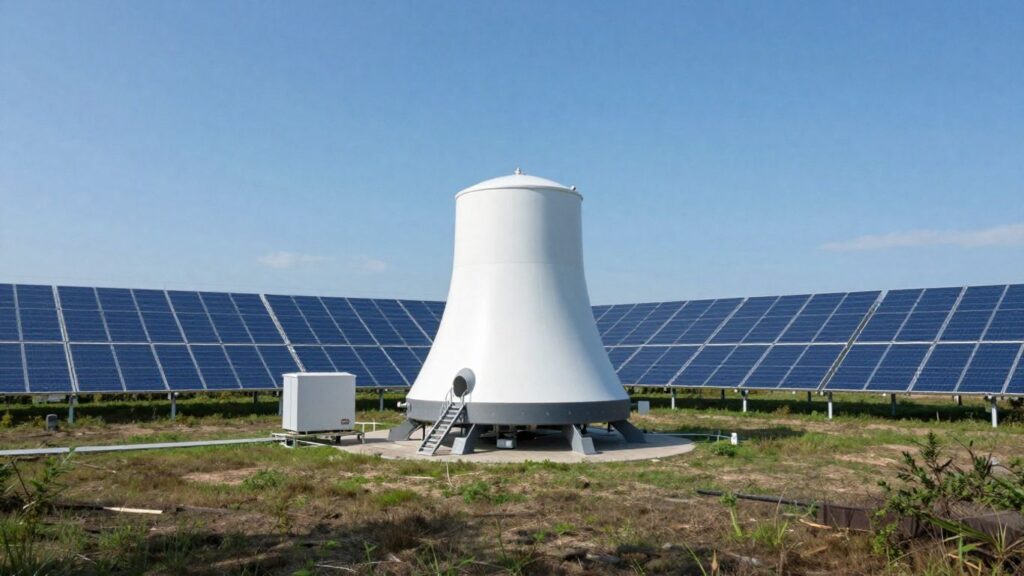
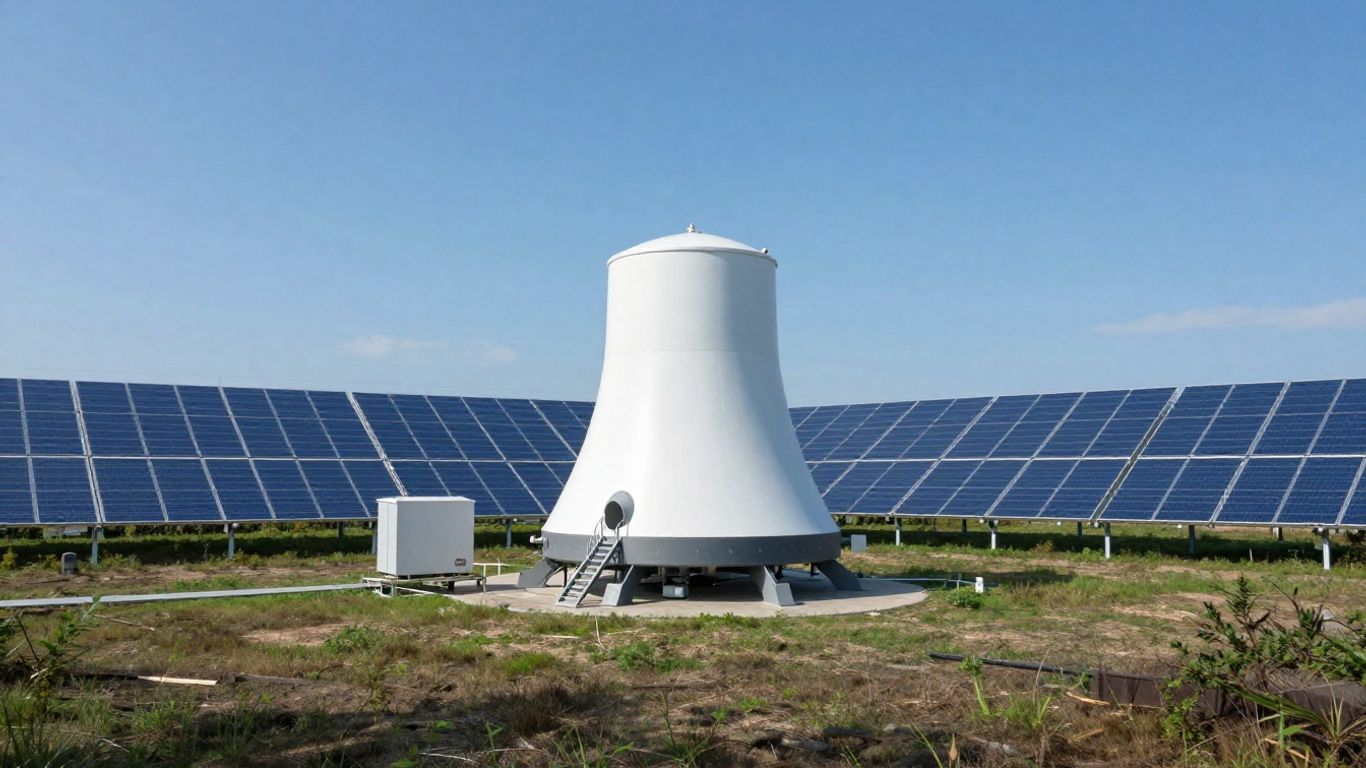
Small Modular Reactors are a new generation of nuclear power plants designed to be more compact, efficient, and versatile compared to traditional reactors. Unlike conventional nuclear facilities, SMRs can be built offsite and transported for installation, reducing construction timelines and costs. Their smaller size makes them ideal for locations that cannot support larger nuclear projects.
Ontario’s Role in Nuclear Technology
Ontario has long been a leader in nuclear technology within Canada, and this SMR project further solidifies its pioneering role. By hosting the first SMR in a G7 nation, Ontario positions itself at the forefront of innovation and sets an example for other jurisdictions considering their approach to low-carbon power generation.
Why This Project Matters
- Clean Energy: SMRs are designed to provide reliable, low-carbon electricity, helping Ontario and Canada achieve their climate goals.
- Economic Growth: The project will create high-skill jobs in engineering, construction, and operations, fueling local and provincial economies.
- Grid Stability: SMRs can be integrated into existing power grids more efficiently, providing flexible backup and supporting renewable energy sources like wind and solar.
Looking Ahead: Potential Benefits and Challenges
Table: Opportunities and Challenges of SMRs in Ontario
| Opportunities | Challenges |
|---|---|
| Clean, consistent energy supply | Public acceptance |
| Potential for export and replication | Regulatory hurdles |
| Job creation and skill development | Initial capital investment |
Ontario’s move is widely seen as a catalyst for further adoption of SMR technology across Canada and beyond. The lessons learned from this pioneering project will inform strategies for other provinces and countries seeking to reduce emissions while meeting growing energy demands.
Conclusion
By spearheading the construction of the G7’s first SMR, Ontario is embracing innovation and signaling a new era in clean energy development. The project is poised to enhance grid reliability, stimulate economic growth, and solidify Canada’s standing as a leader in the transition to a net-zero future.
References
- Ontario Newsroom, Ontario Newsroom.