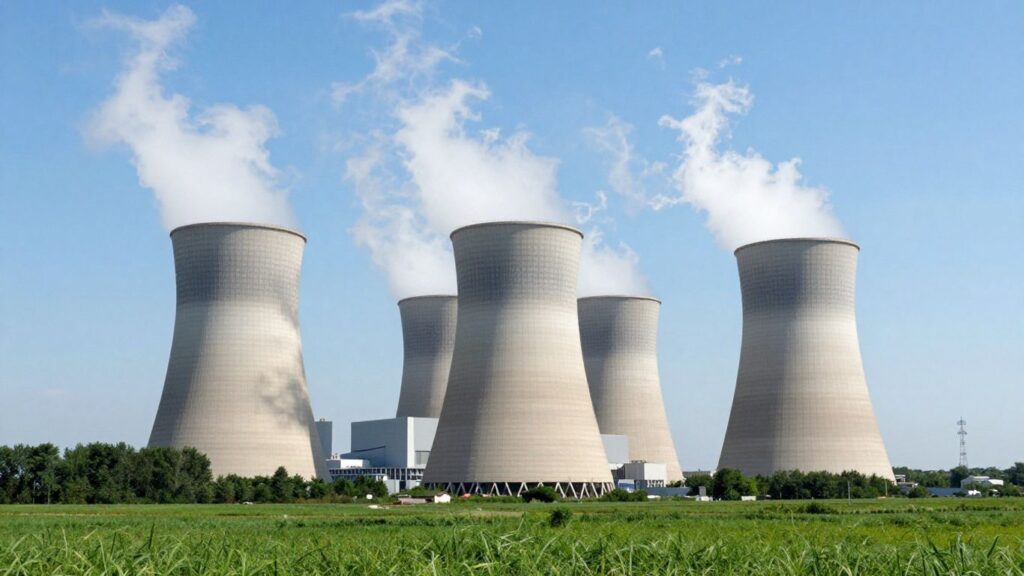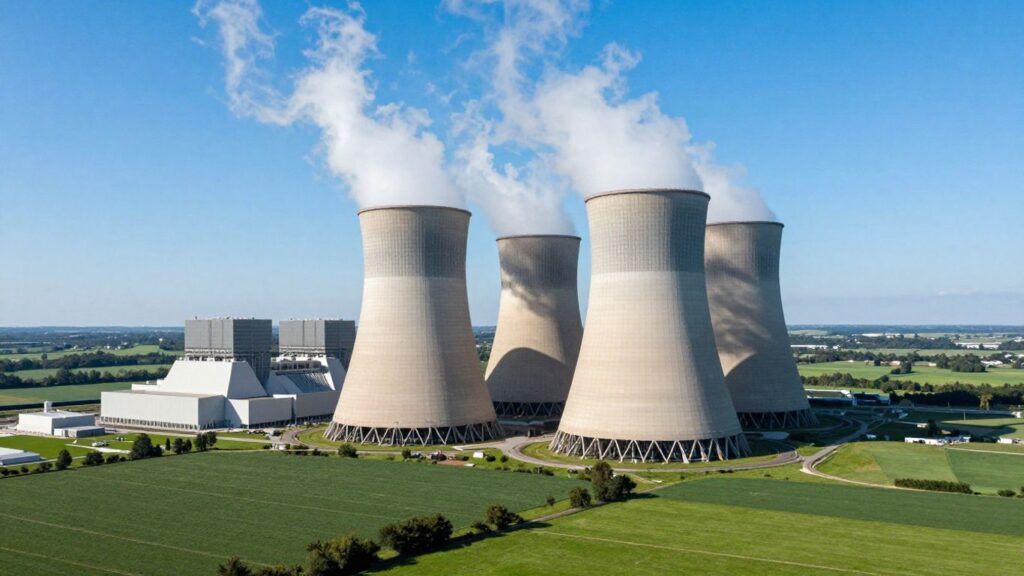

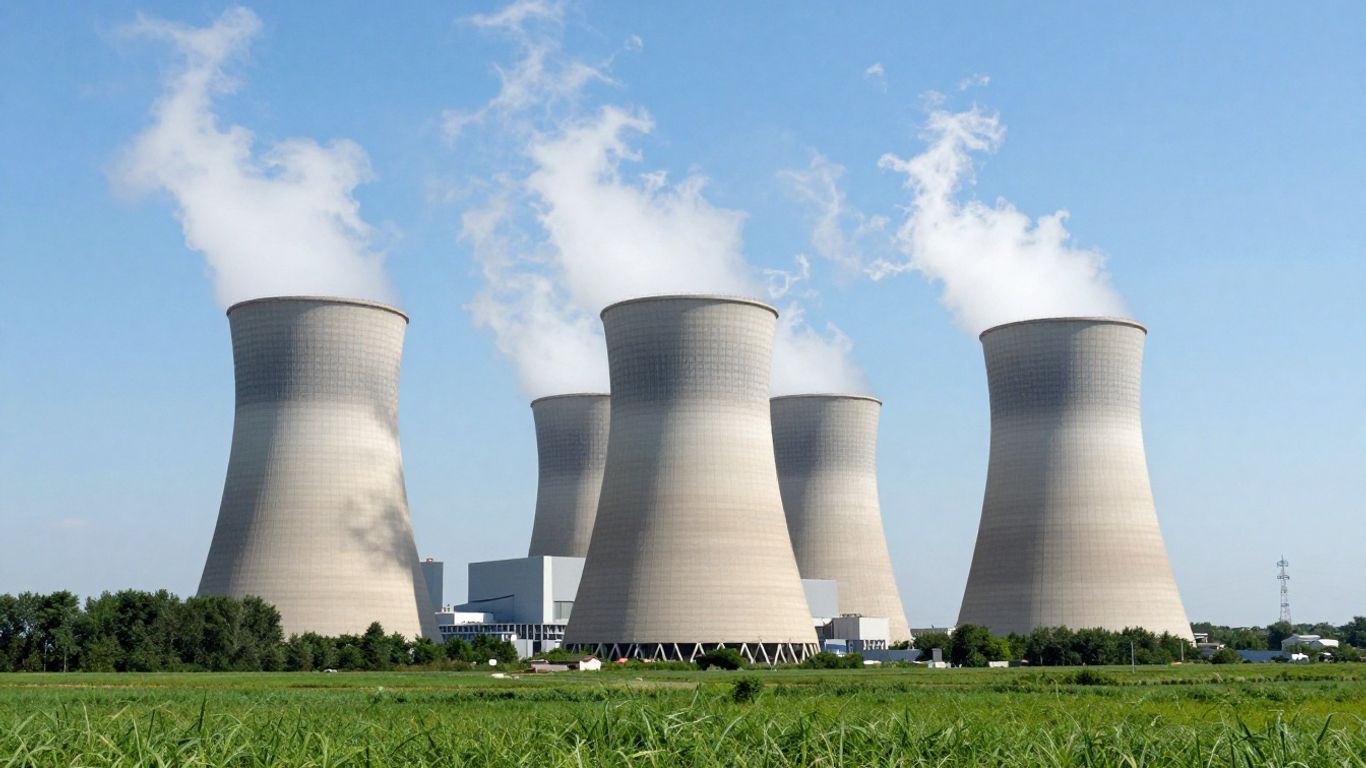
Ontario is set to significantly expand its nuclear power generation, including the development of Small Modular Reactors (SMRs), to meet a projected doubling of electricity demand over the next 25 years. This strategic move aims to support the transition to electric vehicles and industrial decarbonization, positioning the province as a leader in clean energy.
Key Takeaways
- Ontario plans a major expansion of nuclear power to meet future electricity needs.
- Small Modular Reactors (SMRs) are a key component of this expansion.
- The province aims to leverage nuclear power for decarbonization and attracting industry.
- Significant investment is anticipated for this multi-decade energy overhaul.
Driving Future Energy Needs
The demand for electricity in Ontario is expected to double within the next quarter-century, driven by the electrification of the auto sector and the broader push for industries to reduce their carbon footprint. The provincial government views nuclear energy as the most reliable and emissions-free source to meet this escalating demand.
Expanding Nuclear Capacity
Ontario is pursuing a multi-pronged approach to nuclear expansion. This includes plans to nearly double production at the existing Bruce Power facility, already the world’s largest nuclear generating station. Additionally, the province intends to add three more Small Modular Reactors (SMRs) to the one already planned for the Darlington site. These SMRs alone are projected to provide enough electricity to power 1.2 million homes.
Potential for Pickering Refurbishment
Ontario Power Generation (OPG) has submitted a feasibility study to the energy minister regarding the refurbishment of the Pickering Nuclear Generating Station. This oldest operating nuclear plant in Canada could see some of its reactor units extended for an additional 30 years, building on the expertise gained from the ongoing Darlington refurbishment project.
Investment and Economic Impact
Meeting future electricity demands while ensuring a carbon-neutral grid by 2050 is estimated to require an investment of approximately $400 billion by 2050. This comprehensive overhaul includes building new power plants and replacing existing ones. The province’s commitment to clean, reliable, and affordable nuclear power is seen as a key factor in attracting major international automakers, such as Volkswagen and Stellantis, to invest in electric vehicle and battery manufacturing within Ontario.
Expert Perspectives
While the government emphasizes nuclear power’s role in achieving clean energy goals and attracting investment, some experts express concerns about the high cost and long-term risks associated with such a significant reliance on nuclear technology. They suggest exploring a wider range of alternative clean energy solutions. However, proponents argue that nuclear power is essential for decarbonization and provides a reliable, low-cost energy source.
Sources
- Ontario Newsroom, Ontario Newsroom.
- Ontario Newsroom, Ontario Newsroom.
- Ontario prepares to go big on nuclear, with demand for electricity poised to soar, CBC.