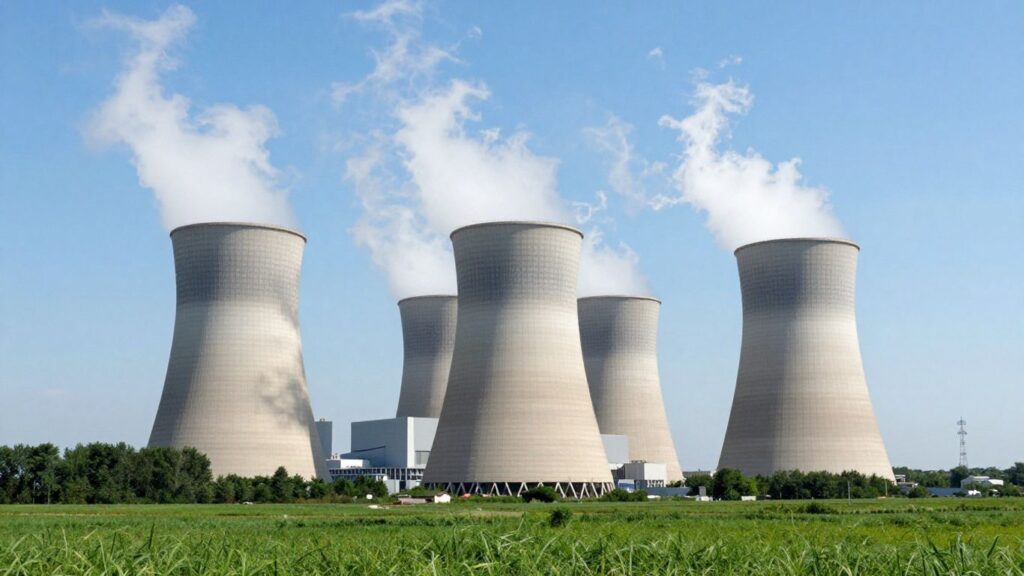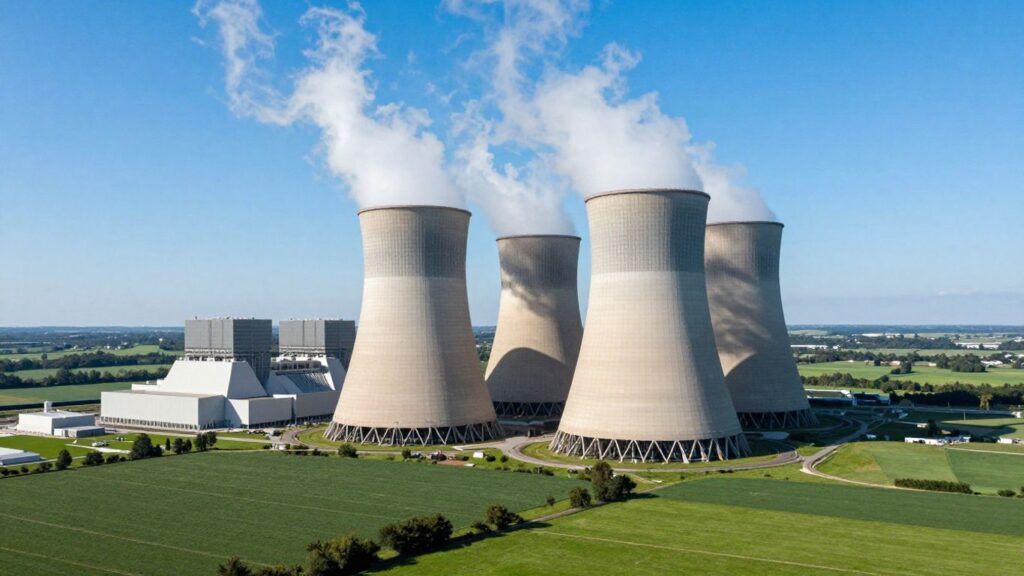

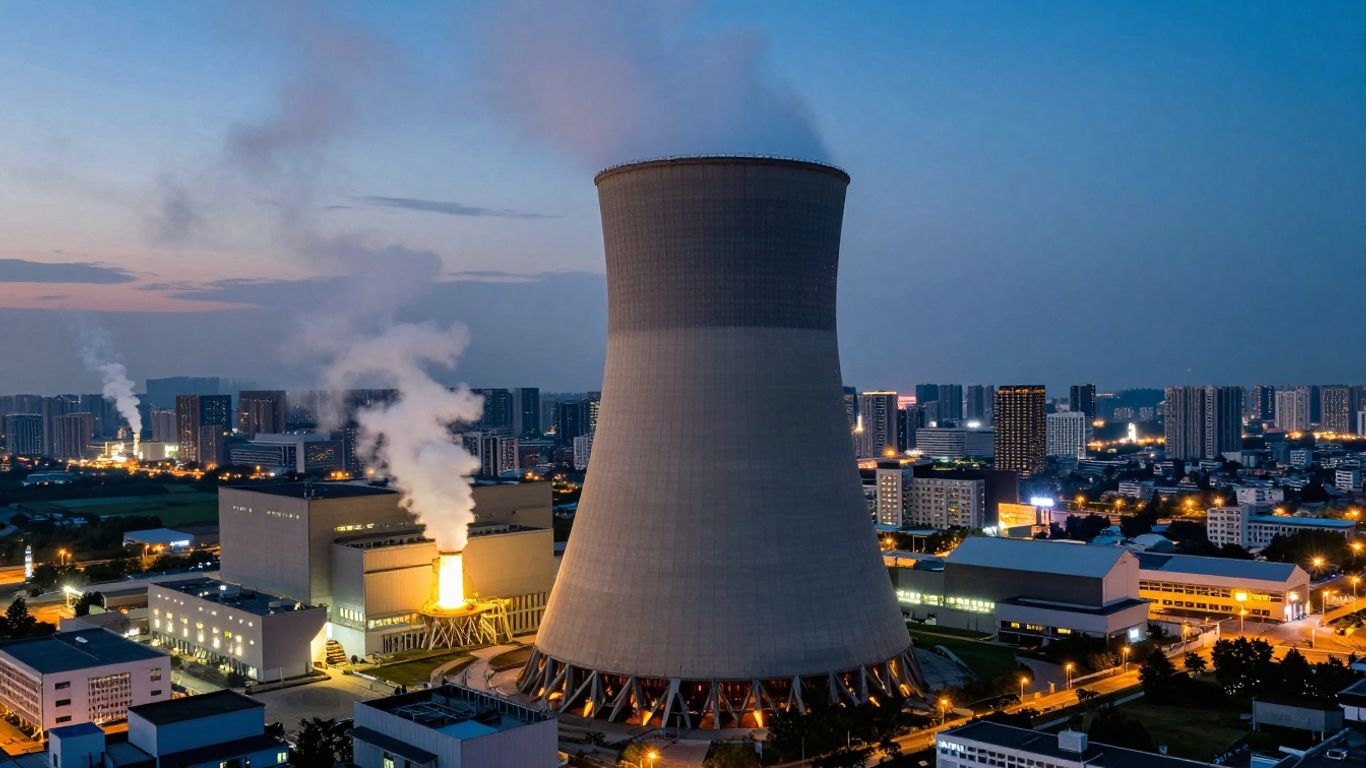
Nuclear energy is emerging as a potential $10 trillion industry, offering a critical solution to escalating global power shortages. Driven by the insatiable energy needs of AI data centers, electrification efforts, and industrial growth, the demand for reliable, clean power is pushing nuclear capacity to the forefront. Experts predict a significant tripling of global nuclear capacity by 2050, with investments expected to exceed $3 trillion in the next quarter-century.
Key Takeaways
- Nuclear energy represents a $10 trillion market opportunity.
- Global nuclear capacity needs to triple by 2050 to meet demand.
- Investment in the sector is projected to surpass $3 trillion over 25 years.
- Small Modular Reactors (SMRs) are key to faster, cheaper nuclear deployment.
- Domestic uranium enrichment is a growing focus for energy security.
The Resurgence of Nuclear Energy
After years of a subdued outlook, nuclear power is experiencing a renaissance. This resurgence is fueled by several factors: the burgeoning demand from energy-intensive AI and data centers, the push for building electrification, and overall industrial expansion. The sector is also benefiting from a more positive public narrative and supportive government policies, leading to a notable boost in share prices for companies across the nuclear supply chain.
Small Modular Reactors: The Future of Nuclear Power
A significant driver of this growth is the development and deployment of Small Modular Reactors (SMRs). These reactors, typically producing 500 megawatts or less, offer a more cost-effective and quicker alternative to traditional large-scale nuclear plants. Their modular design allows for mass production and faster assembly, making them an attractive solution for meeting immediate energy needs. Companies like NuScale Power and Oklo are at the forefront, with designs licensed and aiming for market entry within the next few years. The demand for these SMRs is particularly high in the United States, driven by the immense power requirements of data centers and AI infrastructure.
Strengthening the Domestic Supply Chain
The renewed focus on nuclear energy also highlights the importance of a robust domestic supply chain. This includes the production of essential nuclear fuels like low-enriched uranium (LEU) and high-assay, low-enriched uranium (HALEU). Companies like Centrus Energy are playing a critical role in rebuilding US uranium enrichment capabilities, especially as geopolitical factors have led to restrictions on imports from Russia. Efforts are also underway to revive domestic uranium mining, though Kazakhstan currently dominates global production. The performance of companies like Uranium Energy Corp. and Energy Fuels, along with the Global X Uranium ETF, reflects investor confidence in the sector’s future.
A Bridge to a Sustainable Future
Experts view nuclear power not just as a solution for current shortages but as a vital bridge to a fully renewable energy future. Its ability to provide reliable, clean, and dispatchable power makes it an indispensable component of the global energy transition. With projections indicating a significant increase in nuclear’s contribution to the US power grid, the industry is set to play a pivotal role in meeting the world’s growing energy demands sustainably.