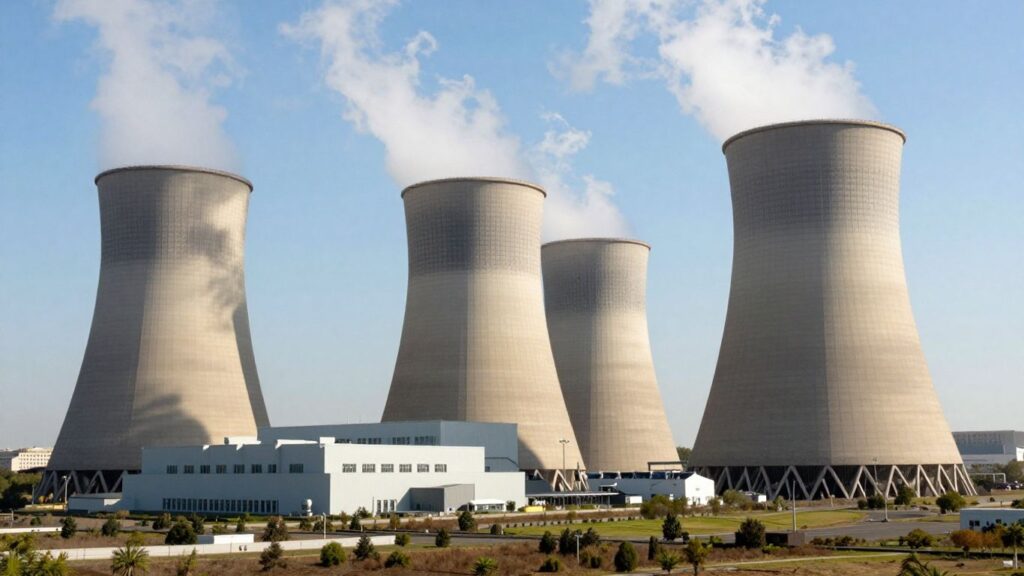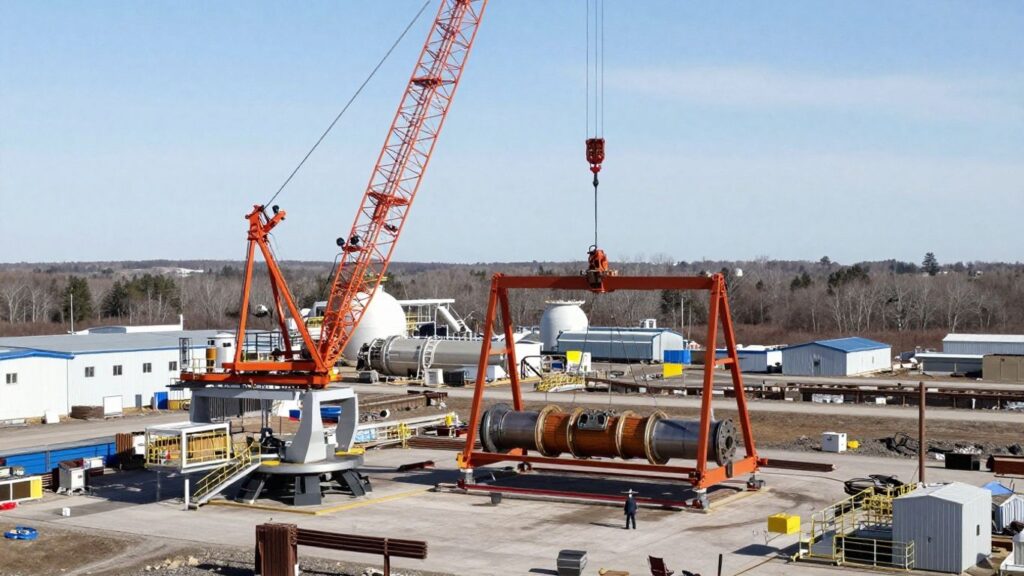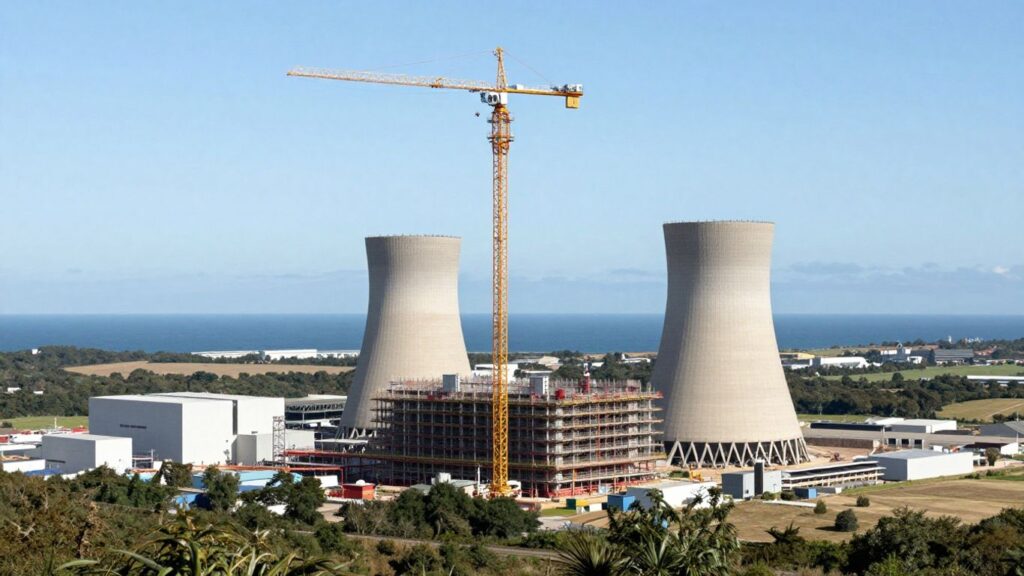

The nuclear energy sector is experiencing a significant resurgence, driven by escalating global electricity demands, particularly from AI-powered data centers, and a more favorable policy landscape. Projections suggest the industry could become a $10 trillion market, necessitating a tripling of global nuclear capacity by 2050. This renewed interest is translating into substantial investment and a surge in stock prices for companies across the nuclear supply chain.
Key Takeaways
- The burgeoning demand for electricity from AI and data centers is a primary driver for nuclear energy’s revival.
- Supportive government policies, including incentives for domestic uranium production and reactor deployment, are bolstering the sector.
- Small Modular Reactors (SMRs) represent a key technological advancement, promising faster deployment and lower costs.
- Investors can gain exposure through uranium miners, utilities operating nuclear plants, and specialized ETFs.
The AI Demand Surge
The exponential growth of artificial intelligence and the associated data centers are creating an unprecedented demand for reliable, 24/7 power. Data centers alone are projected to significantly increase their share of U.S. electricity consumption in the coming years. Major tech companies are actively securing nuclear power purchase agreements to meet these energy-intensive needs, viewing clean and dependable energy as crucial for advancing their AI ambitions.
Policy and Investment Momentum
Government support is playing a pivotal role in the nuclear energy renaissance. Executive orders aimed at increasing U.S. nuclear energy capacity and strengthening the domestic supply chain are being implemented. This policy shift, coupled with a more positive public narrative, has injected significant momentum into the sector. Investment in nuclear power has seen a substantial compound annual growth rate, a stark contrast to its performance prior to 2020.
Small Modular Reactors: The Next Frontier
A significant area of innovation and potential growth lies in Small Modular Reactors (SMRs). These smaller, factory-built reactors are designed for faster deployment and lower costs compared to traditional large-scale plants. Companies like NuScale Power, which has an SMR design licensed by the U.S. Nuclear Regulatory Commission, and Oklo, backed by OpenAI’s Sam Altman, are at the forefront of this development, with plans to bring reactors to market in the coming years.
Investment Avenues
Investors looking to capitalize on the nuclear energy boom have several options. Direct exposure can be gained through uranium miners such as Cameco Corporation, or through utilities like Constellation Energy Corporation, a major operator of nuclear plants. For diversified exposure, exchange-traded funds (ETFs) like the Global X Uranium ETF (URA) offer a basket of nuclear-linked companies. Companies involved in the supply chain, from uranium enrichment to component manufacturing like BWX Technologies, are also attracting investor attention.
Risks and Considerations
Despite the optimistic outlook, investing in nuclear energy carries inherent risks. These include construction and development challenges, the highly concentrated nature of the global uranium supply chain, and the potential for shifting political and regulatory landscapes. However, the confluence of technological advancements, surging demand, and supportive policies positions nuclear energy as a critical component of the future global energy mix.