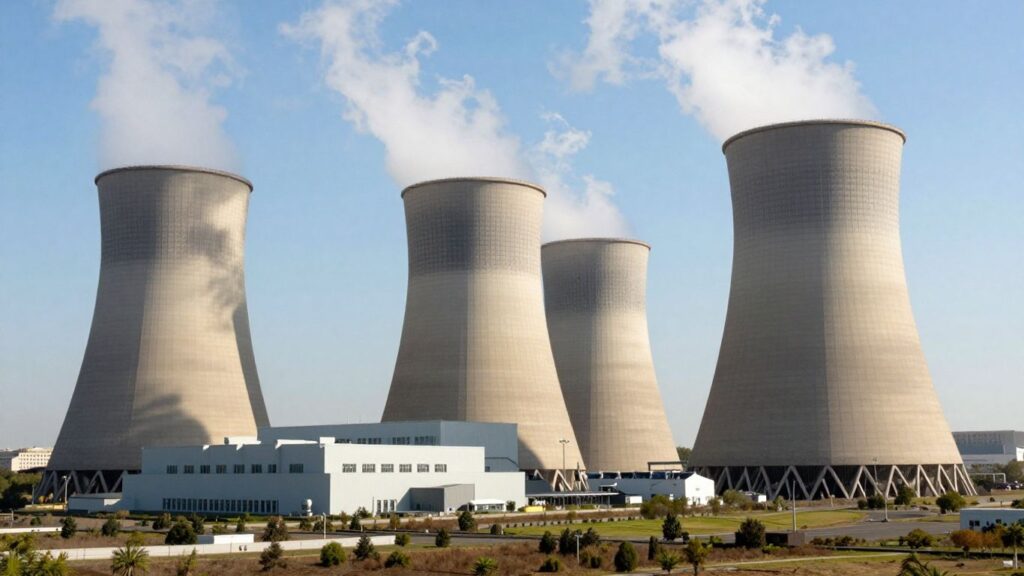

The nuclear energy sector is experiencing a significant resurgence, driven by a confluence of supportive government policies, substantial private investment, and escalating electricity demands from burgeoning sectors like artificial intelligence and data centers. This renewed focus signals a potential "renaissance" for nuclear power, positioning it as a critical component of future energy security and a reliable source of clean electricity.
Key Takeaways
- Surging electricity demand, particularly from AI data centers, is a primary driver for renewed interest in nuclear power.
- Government policies, including those from the Trump administration, are actively promoting the expansion of nuclear generation capacity.
- Major tech companies are securing long-term nuclear power deals to meet their growing energy needs.
- Innovations in Small Modular Reactors (SMRs) and advanced manufacturing are poised to accelerate nuclear project development.
- Global institutions and several countries are reconsidering and investing in nuclear energy as a stable, low-carbon power source.
Policy and Investment Driving Nuclear Growth
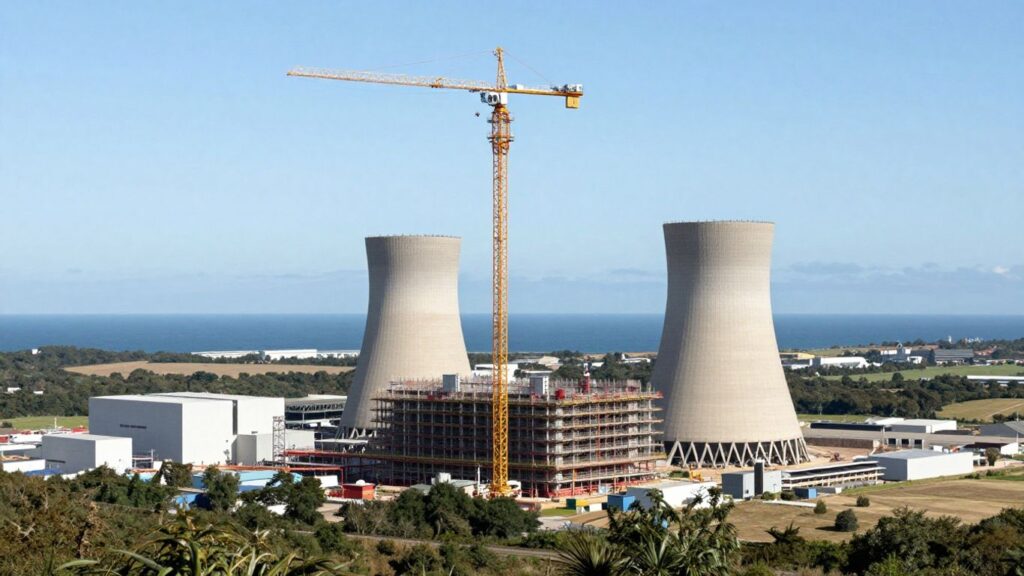
Recent policy initiatives, including executive orders aimed at expanding nuclear generation capacity, are providing a strong tailwind for the industry. The Trump administration, in particular, has expressed a keen interest in backing nuclear technology, with goals to see new reactors under construction. This governmental support is crucial for an industry that requires significant long-term investment and faces lengthy development timelines.
The AI Data Center Effect
The exponential growth of data centers, fueled by the rapid advancement of artificial intelligence, is creating an unprecedented demand for electricity. In some regions, AI data centers are projected to account for as much as a quarter of total electricity demand. This surge is prompting major tech players like Microsoft, Meta, and Amazon to secure long-term nuclear power agreements, recognizing its capacity for reliable, 24/7 energy supply. Companies are exploring options from recommissioning existing plants, such as Microsoft’s involvement with Three Mile Island Unit 1, to investing in new facilities and even small modular reactors (SMRs).
Innovation in Nuclear Technology
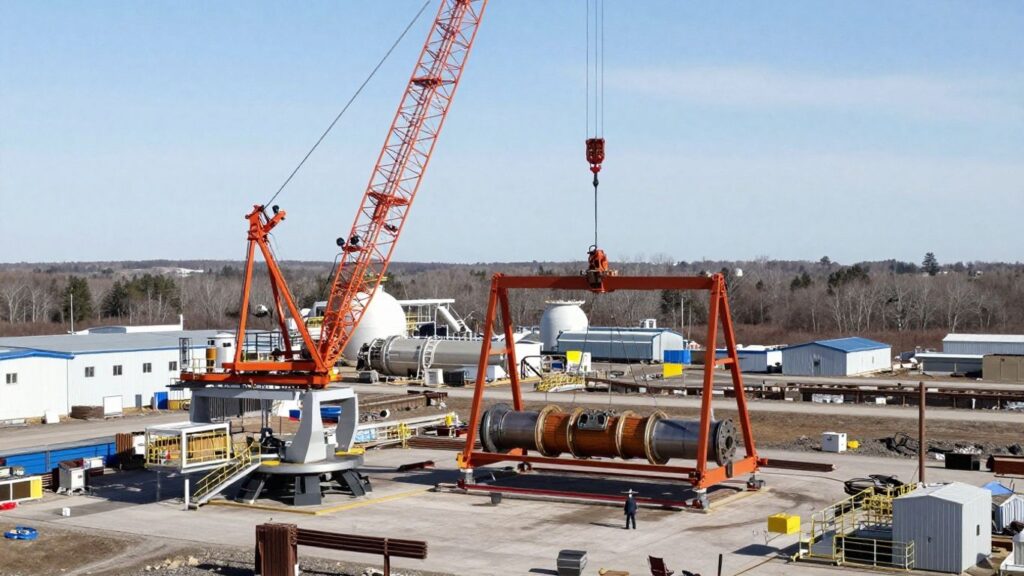
The development and potential deployment of Small Modular Reactors (SMRs) are seen as a key innovation that could accelerate the nuclear renaissance. SMRs offer advantages in terms of smaller physical footprints, potentially lower costs, and faster construction times compared to traditional large-scale reactors. Companies like Westinghouse are advancing their AP1000 reactor designs, while others are focusing on SMRs as a next-generation solution. Advanced manufacturing techniques, including 3D printing, are also being integrated into the construction process, promising reduced lead times and improved efficiency.
Global Momentum and Energy Security
The renewed interest in nuclear energy is not confined to the United States. Globally, there is a significant increase in nuclear power plant construction and planning. Asia, particularly China, is leading this expansion, with many countries reconsidering nuclear power as a vital component of their energy security strategies and a means to meet climate goals. International bodies like the World Bank have also ended long-standing objections to financing nuclear projects, reflecting a broader global shift in perspective. Nuclear power currently provides about 9% of the world’s electricity and is the second-largest source of low-carbon power, with substantial growth anticipated in the coming years.
Sources
- Opinion | How Trump’s real estate savvy could help scale U.S. nuclear power, The Washington Post.
- A Positive Tipping Point for Billion-Dollar-Plus Nuclear Projects, ConstructConnect.
- Nuclear Push By Trump Makes Cameco’s Westinghouse Big Winner, Investor’s Business Daily.
- Trump to help nuclear energy renaissance: Tema ETFs’ Khodjamirian, CNBC.
- The Hidden Growth Story Behind Global Energy Security, Energies Media.