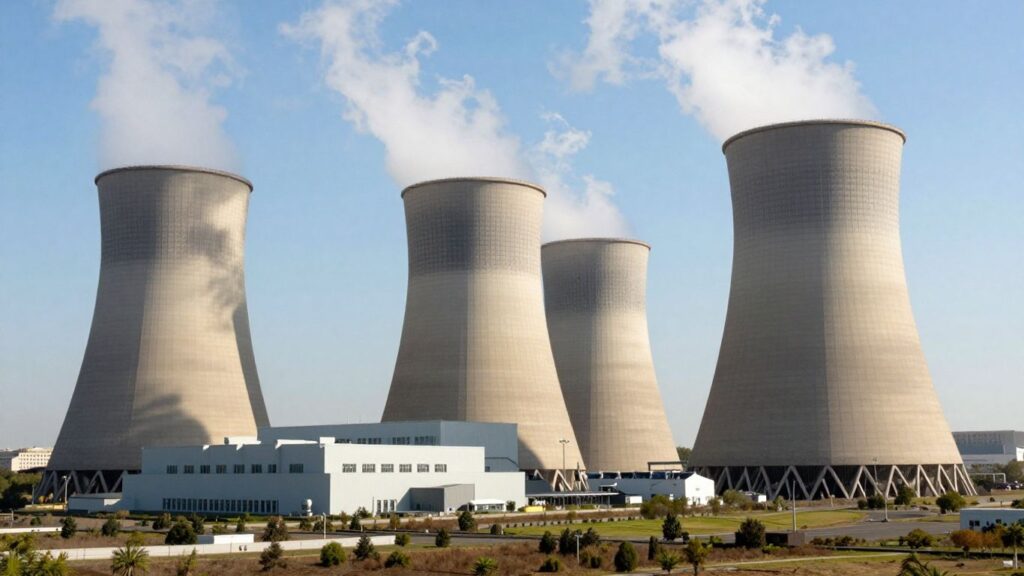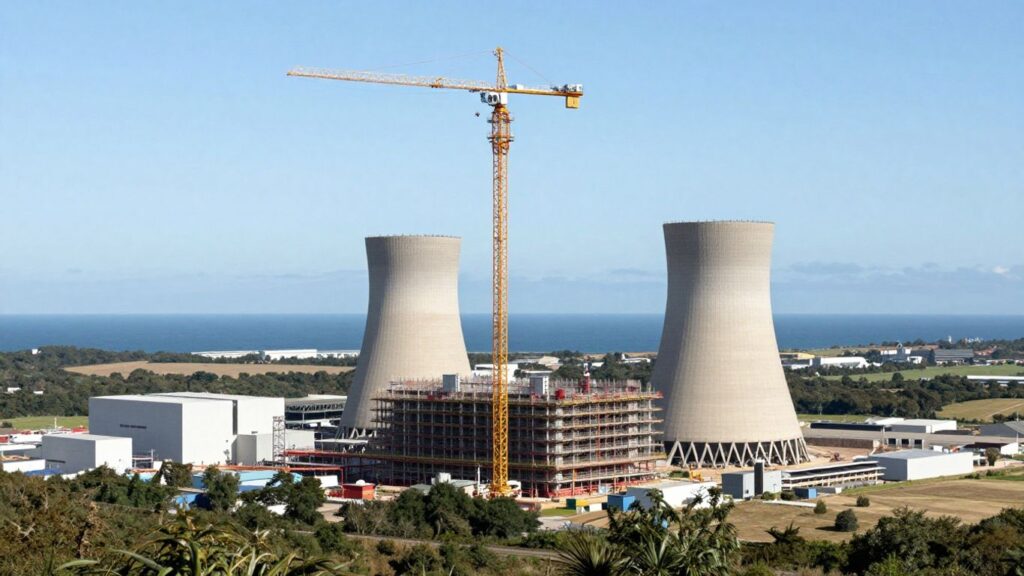

The long-sought dream of clean, virtually limitless energy from nuclear fusion is rapidly moving from science fiction to reality. Companies like Commonwealth Fusion Systems (CFS), an MIT spinout, are at the forefront, developing and planning the world’s first grid-scale fusion power plants, with significant investments and technological advancements paving the way for commercialization in the early 2030s.
Key Takeaways
- Commonwealth Fusion Systems (CFS) plans to build the world’s first grid-scale fusion power plant in Virginia, aiming for operation in the early 2030s.
- The plant, named ARC, is expected to generate 400 megawatts of clean electricity.
- CFS’s innovation lies in high-temperature superconducting magnets, enabling more compact and efficient tokamak designs.
- Significant private investment, exceeding $7 billion globally, is fueling the rapid development of commercial fusion.
- Major tech companies like Google and Microsoft are securing future fusion power, highlighting its potential for energy-intensive applications like AI data centers.
The Dawn of Commercial Fusion
For decades, nuclear fusion has been a tantalizing prospect, promising an energy source that is clean, safe, and abundant. The process, which powers the sun, involves fusing hydrogen isotopes to release vast amounts of energy. While scientific breakthroughs have occurred, such as the net energy gain achieved at Lawrence Livermore National Laboratory in 2022, commercial viability remained elusive until recently.
Commonwealth Fusion Systems (CFS) is now leading the charge. The company, which has secured over $2 billion in funding, is developing the ARC power plant, slated for operation in the early 2030s. This facility aims to produce 400 megawatts of electricity, enough to power approximately 150,000 homes. The plant will be built in Chesterfield County, Virginia, in collaboration with Dominion Energy.
Technological Innovations Driving Progress
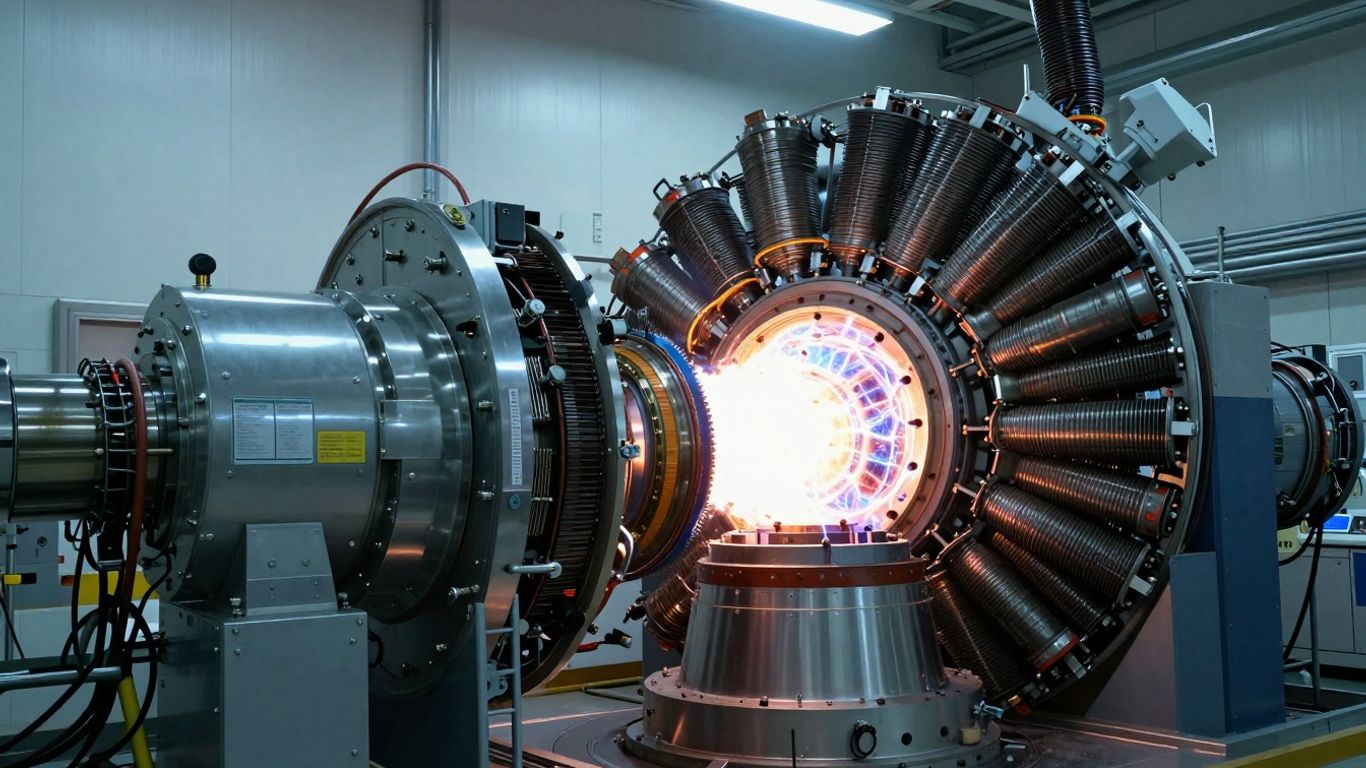
CFS’s rapid progress is largely attributed to its pioneering use of high-temperature superconducting magnets. These magnets are crucial for confining the superheated plasma within the tokamak, the donut-shaped device where fusion occurs. This innovation allows for smaller, more efficient, and potentially more economical fusion reactors compared to previous designs.
Investment and Market Potential
The fusion energy sector is experiencing a surge in private investment, with over 45 companies globally raising more than $7 billion. This influx of capital is accelerating development and commercialization efforts. The potential market for fusion energy is immense, driven by increasing global electricity demand and the urgent need for clean energy solutions to combat climate change.
Big tech companies, particularly those powering energy-intensive AI data centers, are taking notice. Google and Microsoft have already entered into agreements to purchase fusion power once plants become operational, signaling strong market demand.
Geopolitical and Economic Implications
The advent of commercial fusion power could have profound geopolitical and economic consequences. It offers a path to energy independence and could reshape global energy dynamics. Furthermore, the potential for cheap, abundant, and clean energy could significantly boost global GDP and provide developing regions with a critical energy source.
While challenges remain, including scaling up production and ensuring cost-competitiveness, the momentum behind fusion energy is undeniable. The coming decade is poised to be a transformative period, potentially ushering in an era of unprecedented energy abundance.
Sources
- A Nuclear Fusion Breakthrough May Be Closer Than You Think, Time Magazine.
- MIT spinout Commonwealth Fusion Systems unveils plans for the world’s first fusion power plant, MIT News.
- Is the world ready for the transformational power of fusion?, The World Economic Forum.