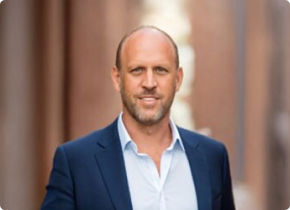

![[Bill Gates] and nuclear power plant fueling AI and homes.](https://mercury.investments/wp-content/uploads/2025/12/thumbnail-22.jpeg)
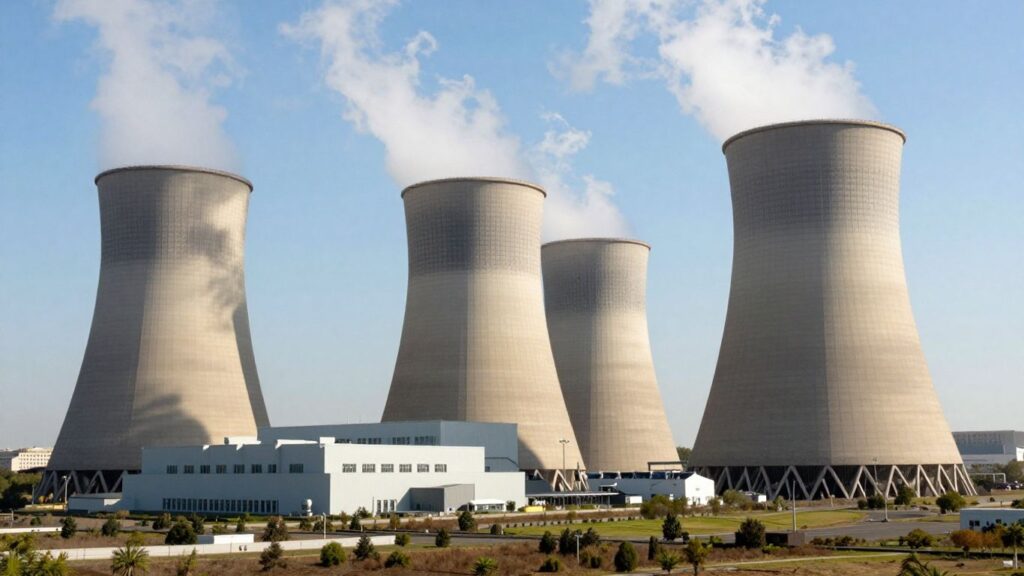
Microsoft co-founder Bill Gates is making a significant investment in the future of energy, committing $1 billion to a new nuclear power plant project in Wyoming. This initiative, spearheaded by his company TerraPower, aims to provide clean, reliable electricity for homes and the rapidly expanding demands of artificial intelligence.
Key Takeaways
- Bill Gates has invested $1 billion in TerraPower’s advanced nuclear reactor project in Kemmerer, Wyoming.
- The new plant is designed to be smaller, safer, and potentially more cost-effective than traditional nuclear facilities.
- The project aims to address the growing electricity demands from AI data centers and the broader need for clean energy.
- Gates believes this nuclear technology offers a strong safety case due to its passive cooling mechanisms.
A New Era for Nuclear Energy
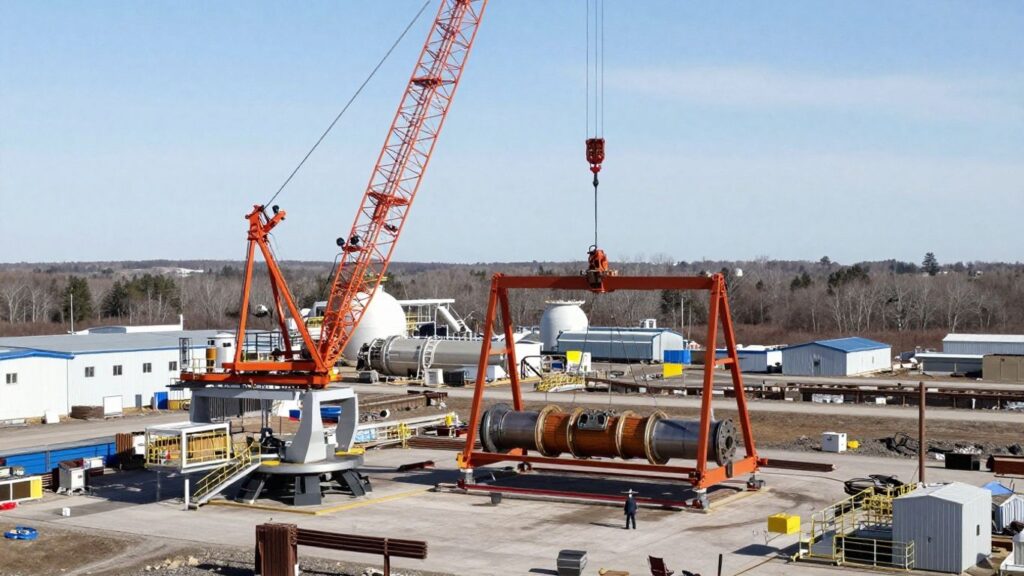
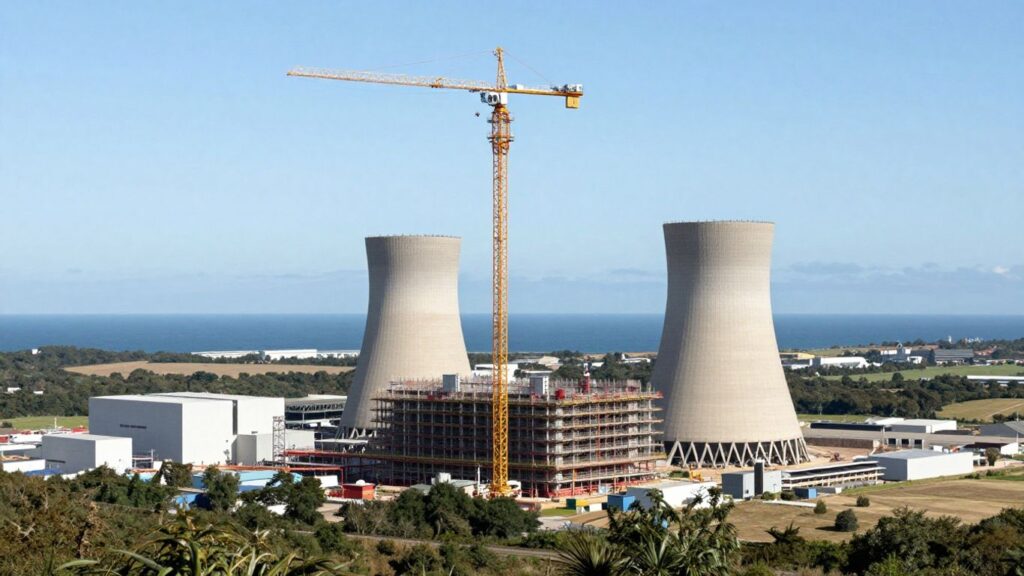
TerraPower’s groundbreaking project in Kemmerer, Wyoming, represents a new approach to nuclear fission. Unlike conventional plants, this facility will utilize a smaller design and a sodium-based cooling system, which Gates asserts enhances safety by eliminating high pressure within the reactor. This design aims to be significantly cheaper than previous large-scale nuclear projects in the U.S., with an estimated construction cost of up to $4 billion, a fraction of the nearly $35 billion spent on recent reactors in Georgia.
Powering the Future of AI
The burgeoning field of artificial intelligence presents a substantial challenge for energy infrastructure. Gates highlighted that the data centers required to power AI could increase U.S. electricity demand by as much as 10%. His investment in nuclear power is seen as a crucial step in meeting this demand without increasing greenhouse gas emissions. The project is expected to be operational by 2030, providing a clean energy source for both residential and industrial needs, including the power-hungry AI sector.
Addressing Skepticism and Market Viability
Gates acknowledges the historical skepticism surrounding nuclear power safety and financial viability. He emphasized that TerraPower’s design incorporates passive safety features, meaning the reactor naturally cools down if it malfunctions, mitigating risks associated with high pressure. Regarding market concerns, Gates noted that while current large-scale reactors are expensive, TerraPower is not seeking to burden ratepayers. Instead, the company is privately funded, with significant investment from Gates himself and strategic support from the U.S. Department of Energy, which is covering half the design and licensing costs.
AI’s Broader Impact
Beyond energy, Gates also discussed the transformative potential of AI, particularly in health and education. He shared personal experiences using AI for medical explanations and highlighted its application in personalized tutoring through tools like Khanmigo. However, he also expressed concerns about AI exacerbating income inequality and the potential need for policies to manage job displacement as AI capabilities grow. He believes that while AI can increase productivity, careful consideration must be given to how these gains are distributed and how freed-up labor can be directed towards societal benefits.