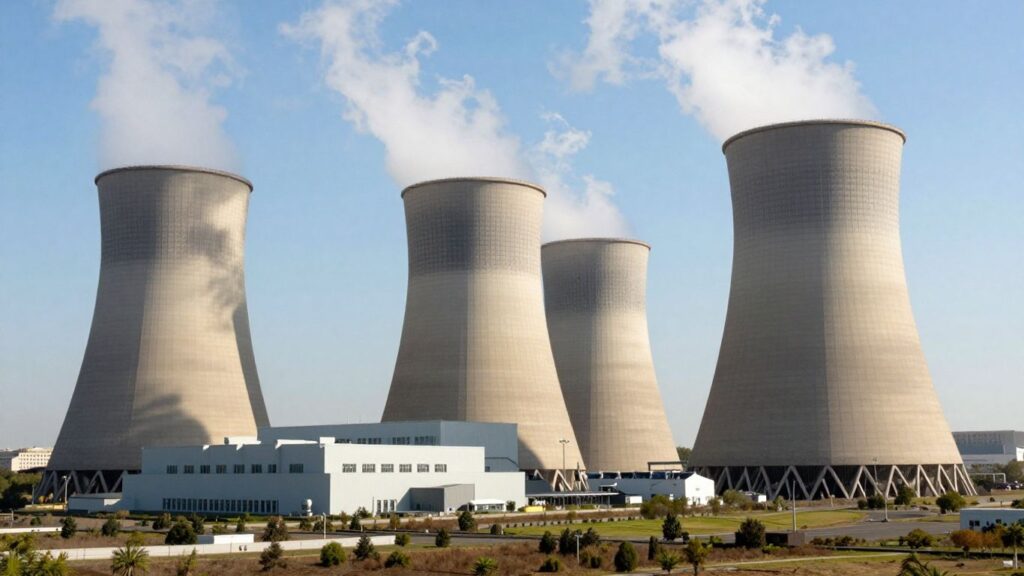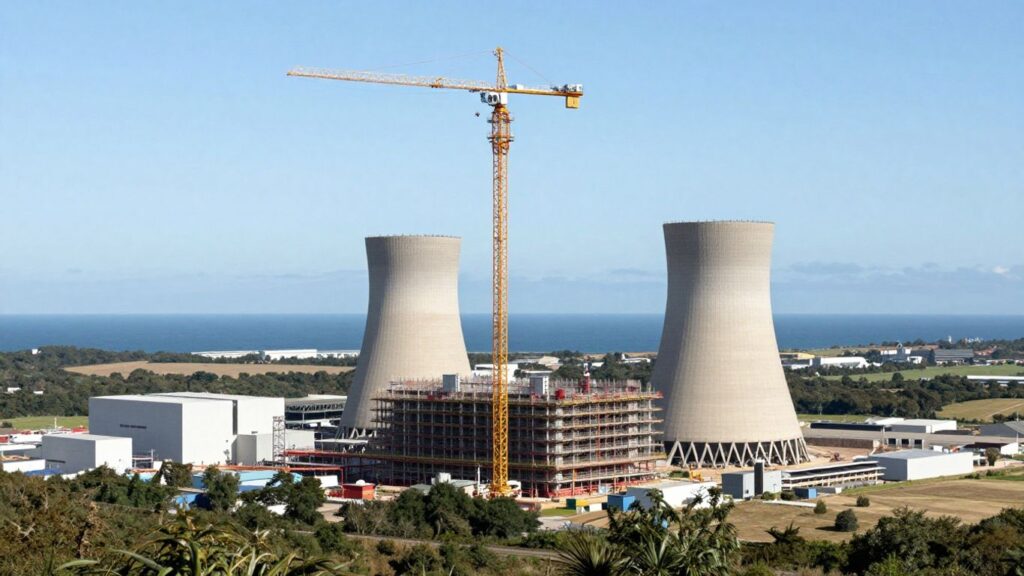


In a significant shift, major technology companies like Microsoft, Google, Amazon, and Meta are making substantial investments in nuclear energy. This move is driven by the immense and growing electricity demands of artificial intelligence (AI) and data centers, prompting a re-evaluation of reliable, carbon-free power sources.
Key Takeaways
- AI’s Insatiable Energy Appetite: The rapid expansion of AI technologies requires vast amounts of electricity, challenging Big Tech’s ambitious climate goals.
- Nuclear as a Solution: Companies are turning to nuclear power, both existing plants and advanced small modular reactors (SMRs), for its consistent and carbon-free energy output.
- Strategic Investments: Deals include restarting existing nuclear facilities and funding the development of new, smaller reactor designs.
- Challenges Remain: Skepticism persists regarding the cost, timeline, and practical deployment of new nuclear technologies, alongside concerns about waste disposal and safety.
The AI Energy Crunch
Artificial intelligence, while transformative, is an energy-intensive technology. The computational power required for training and running AI models translates into a massive demand for electricity. Big Tech firms, many of whom have pledged to achieve net-zero emissions, are finding that their existing investments in solar and wind power are insufficient to meet these escalating needs without compromising their environmental targets.
Big Tech’s Nuclear Investments
Microsoft has made a notable investment to restart the Three Mile Island nuclear plant in Pennsylvania, aiming to secure reliable, clean energy for its data centers. This move, despite the plant’s history, highlights the perceived benefits of leveraging existing nuclear infrastructure.
Google, Amazon, and Meta are also actively pursuing nuclear energy. Google is investing in small modular reactors (SMRs) through companies like Kairos Power, which are developing smaller, potentially more cost-effective, and faster-to-deploy nuclear facilities. Amazon has also announced investments in nuclear power, and Meta has secured a 20-year deal for nuclear power to support its AI and computing needs.
The Promise and Peril of Small Modular Reactors
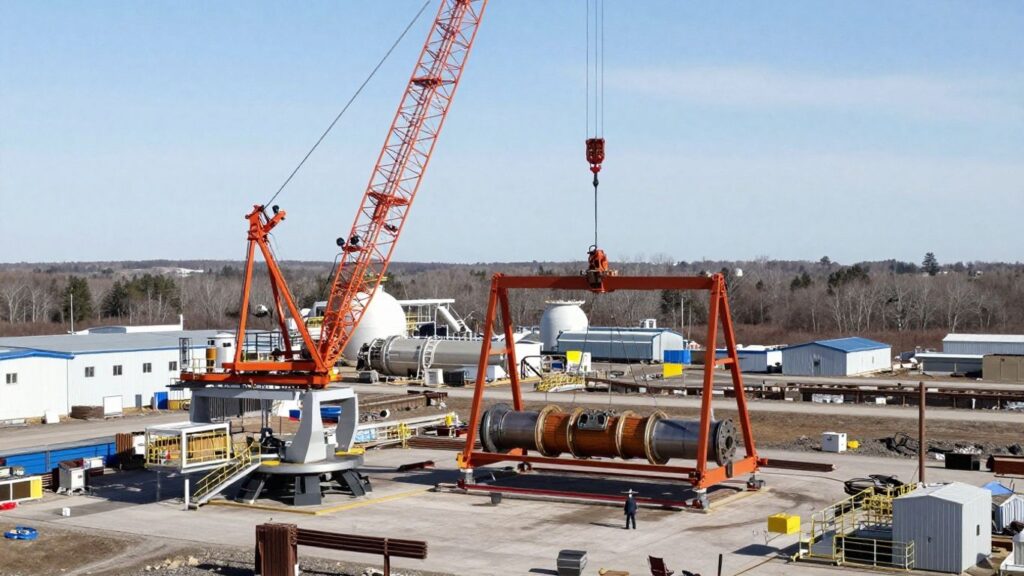
SMRs are seen as a potential game-changer, offering a more flexible and scalable approach to nuclear power compared to traditional large-scale plants. These smaller reactors, designed with modular components, could be deployed more rapidly and in diverse locations. Companies like Kairos Power are developing innovative designs, such as those using fuel pebbles instead of traditional fuel rods, aiming for enhanced safety and efficiency.
However, the widespread adoption of SMRs faces significant hurdles. Critics point out that many SMR designs are still in the conceptual or demonstration phase and have yet to prove their economic viability and reliability at scale. Experts caution against overconfidence, emphasizing the complex regulatory, construction, and operational challenges inherent in nuclear projects.
A Nuclear Renaissance or a Fad?
The renewed interest in nuclear power is being met with both optimism and skepticism. Proponents argue that nuclear energy is essential for a stable, carbon-free grid capable of supporting the energy demands of the future, including AI. They point to bipartisan support for nuclear energy initiatives and federal funding aimed at accelerating reactor development.
Conversely, concerns about the high costs, lengthy construction times, radioactive waste disposal, and potential safety risks persist. Some analysts suggest that Big Tech’s current enthusiasm for nuclear power might be a temporary response to immediate energy demands, and that the industry may face disillusionment as the practical challenges become more apparent. The debate continues on whether this surge in interest will lead to a lasting nuclear renaissance or fade as quickly as it emerged.
Sources
- Big Tech’s big bet on nuclear power to fuel artificial intelligence, CBS News.
- Meta becomes the latest big tech company turning to nuclear power for AI needs, AP News.
- Google joins Big Tech’s move into nuclear power, and other top energy stories, The World Economic Forum.
- Nuclear power could be on the verge of a California comeback, CalMatters.
- Will AI’s huge energy demands spur a nuclear renaissance?, Nature.