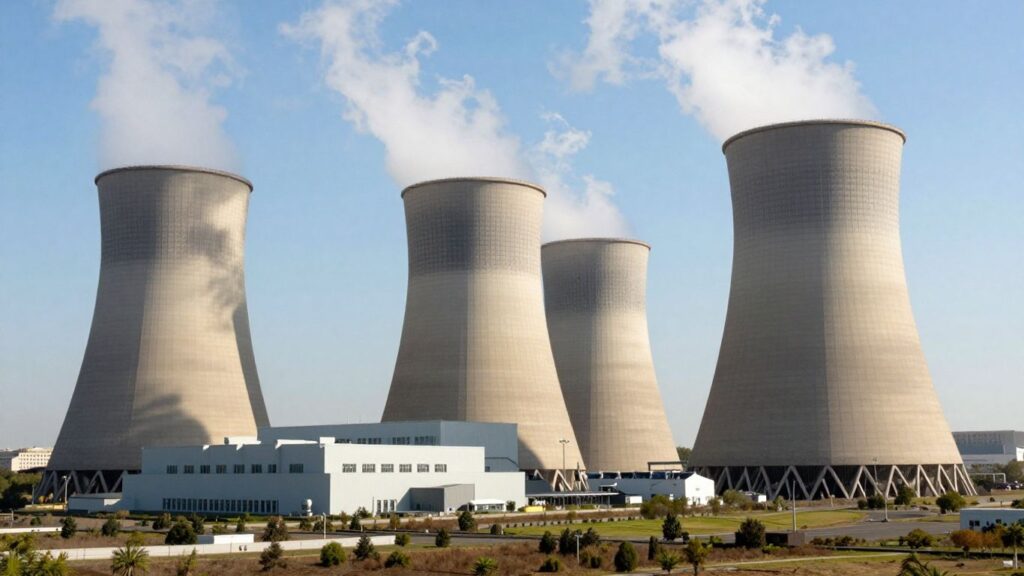

In a significant shift, major technology companies like Microsoft, Google, Amazon, and Meta are making substantial investments in nuclear power. This move is driven by the immense and growing electricity needs of artificial intelligence (AI) development and data centers, pushing these tech giants to seek reliable, carbon-free energy sources beyond traditional renewables.
Key Takeaways
- AI’s Energy Hunger: The rapid advancement and deployment of AI technologies require vast amounts of electricity, straining existing power grids and challenging companies’ sustainability goals.
- Nuclear Renaissance: Tech companies are turning to nuclear power, both by reviving existing plants and investing in new small modular reactor (SMR) technologies, to meet their energy demands.
- Reliability Over Intermittency: Unlike solar and wind power, nuclear energy provides a consistent, 24/7 power supply, which is crucial for the continuous operation of AI data centers.
- Climate Goals: These investments are also aimed at helping tech companies achieve their ambitious net-zero carbon emission targets.
Reviving Old Powerhouses
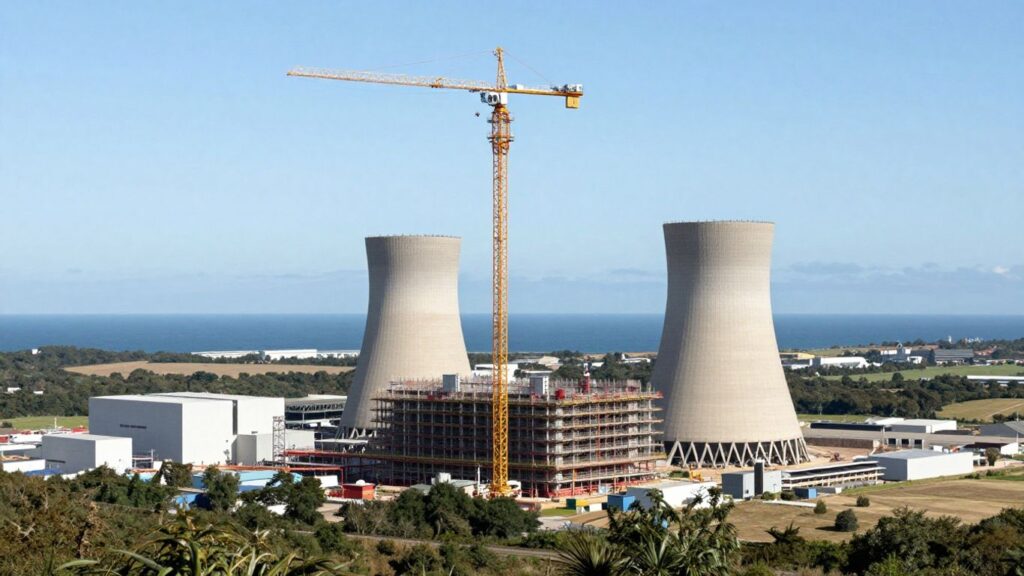
Microsoft has made a notable $1.6 billion deal to help restart a reactor at the Three Mile Island nuclear plant in Pennsylvania. This facility, site of a partial meltdown in 1979, is being rebranded as the Crane Clean Energy Center. Constellation Energy, which owns the plant, highlights that reopening an existing site is significantly faster and cheaper than building a new one, potentially taking about three years compared to a decade for new construction.
Similarly, Meta has secured a 20-year nuclear power agreement with Constellation Energy to expand the output of its Clinton Clean Energy Center in Illinois. This deal will boost the plant’s clean energy output and support local jobs and tax revenue.
The Promise of Small Modular Reactors
Beyond existing facilities, tech giants are also investing in the future of nuclear power through small modular reactors (SMRs). Google is funding Kairos Power’s development of SMRs, with the first demonstration plants planned for Oak Ridge, Tennessee, utilizing a novel fuel pebble design. Amazon has announced investments in X-Energy’s SMR technology.
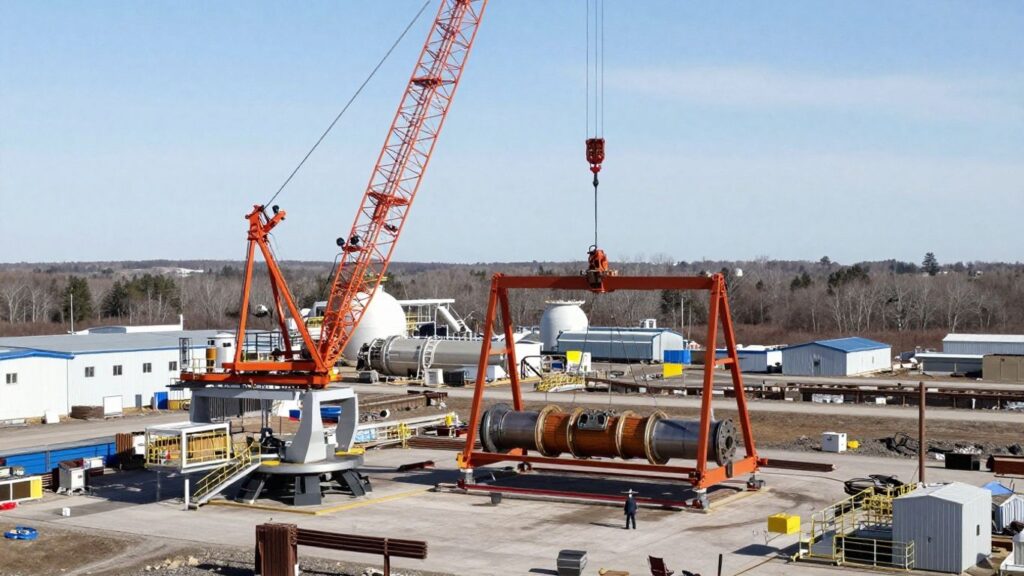
These SMRs are envisioned as smaller, more adaptable, and potentially cheaper alternatives to traditional large-scale nuclear plants. They are designed to be factory-built and deployed more easily. However, experts caution that SMR technology is still largely unproven and faces significant development and regulatory hurdles.
Challenges and Skepticism
Despite the enthusiasm, challenges remain. Critics point out that SMRs do not yet exist commercially and that the timeline and cost projections for new nuclear projects are often underestimated. Professor Sharon Squassoni of George Washington University suggests that tech companies might be overconfident in the feasibility and speed of deploying these new nuclear technologies.
Furthermore, the long-term issues of nuclear waste disposal and the high cost of construction and maintenance continue to be significant concerns. In California, a long-standing moratorium on new nuclear plants presents an additional barrier, though discussions are emerging about potential exemptions for SMRs.
A Strategic Bet for the Future
As AI continues its exponential growth, the demand for reliable, clean energy will only intensify. Big Tech’s foray into nuclear power represents a strategic bet on a long-term solution to power their energy-intensive operations while striving to meet ambitious climate goals. Whether this gamble pays off will depend on overcoming technical, economic, and regulatory obstacles in the coming years.
Sources
- Big Tech’s big bet on nuclear power to fuel artificial intelligence, CBS News.
- Meta becomes the latest big tech company turning to nuclear power for AI needs, AP News.
- Amazon, Google and Microsoft Are Investing in Nuclear Power, The New York Times.
- POLITICO Pro, POLITICO Pro.
- Nuclear power could be on the verge of a California comeback, CalMatters.