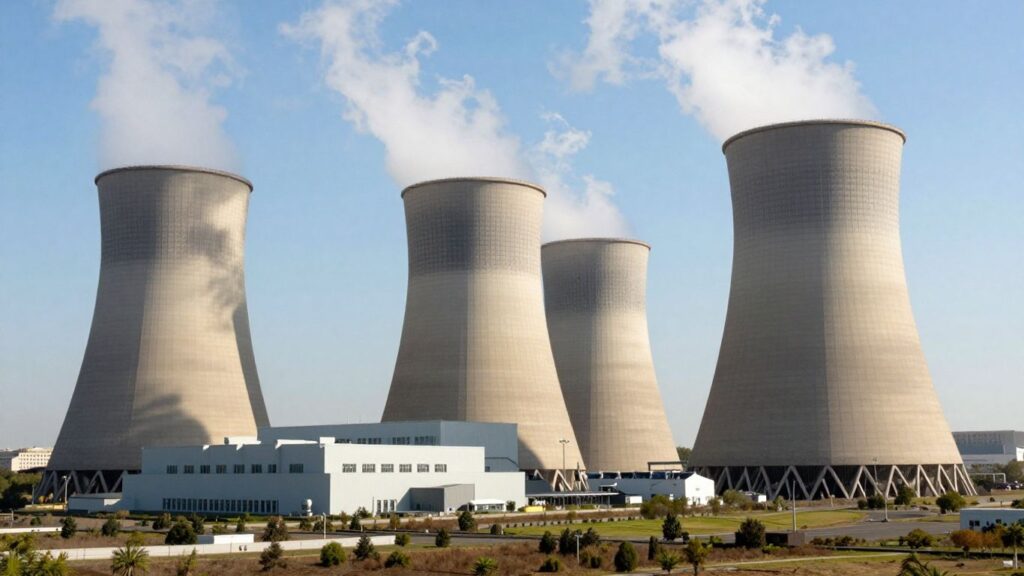

In a significant shift driven by the immense energy demands of artificial intelligence, major technology companies are making substantial investments in nuclear power. This strategic pivot aims to secure reliable, carbon-free electricity for their rapidly expanding data centers and AI operations, marking a potential renaissance for nuclear energy.
Key Takeaways
- Major tech firms like Microsoft, Meta, and Google are investing heavily in nuclear power to meet the energy needs of AI.
- These investments range from restarting existing plants to funding the development of advanced small modular reactors (SMRs).
- Nuclear power offers a consistent, low-carbon energy source crucial for AI data centers, complementing intermittent renewables.
- While promising, challenges remain regarding cost, construction timelines, waste disposal, and public perception.
The AI Energy Crunch
Artificial intelligence, while revolutionary, is an enormous consumer of electricity. The training and operation of AI models require vast amounts of power, straining existing energy grids and challenging the ambitious net-zero emission goals set by tech giants like Google and Microsoft. Recognizing that renewable sources like solar and wind alone may not suffice for the constant, high-demand needs of AI data centers, these companies are turning to nuclear power.
Reawakening Old Powerhouses
Microsoft has made a notable investment of $1.6 billion to restart the Three Mile Island nuclear plant in Pennsylvania, which will be renamed the Crane Clean Energy Center. This move is seen as a pragmatic approach, as reopening an existing facility is significantly faster and cheaper than building a new one. Constellation Energy, which owns the plant, highlights the extensive safety improvements made since the 1979 accident, emphasizing that the site’s second reactor operated until 2019.
Meta has also entered into a 20-year agreement with Constellation Energy for nuclear power from its Clinton Clean Energy Center in Illinois. This deal will expand the plant’s output and secure clean energy for Meta’s operations, preserving local jobs and tax revenue.
The Promise of Small Modular Reactors
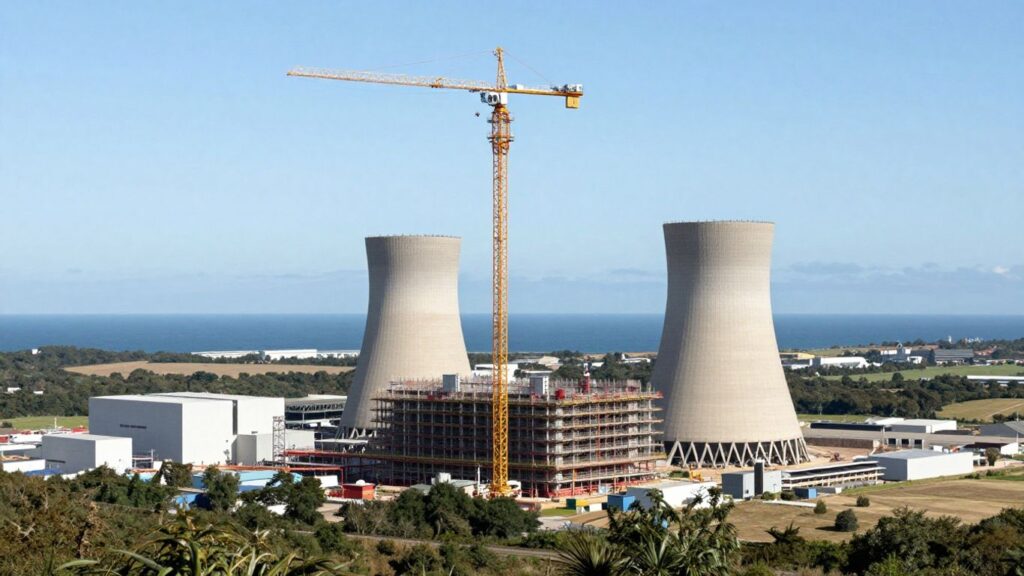
Beyond existing facilities, tech companies are also investing in the future of nuclear energy through small modular reactors (SMRs). Google, for instance, is funding Kairos Power to develop and build these advanced reactors. SMRs are designed to be smaller, more cost-effective, and potentially safer than traditional nuclear plants, with modular components allowing for incremental expansion.
These next-generation reactors, like those being developed by Kairos Power using fuel pebbles instead of rods, aim to provide zero-carbon emissions. However, experts caution that SMRs are largely unproven, and their development faces significant hurdles in terms of cost and timeline.
Challenges and Skepticism
Despite the growing interest, the path forward for nuclear power is not without its obstacles. Critics point to the high costs, lengthy construction periods, and the persistent issue of radioactive waste disposal. Some experts express concern about "tech-bro overconfidence," suggesting that the industry may be underestimating the complexities of nuclear power development.
In California, a state with a long-standing moratorium on new nuclear plant construction, there’s a burgeoning debate about potentially revisiting nuclear power, driven in part by the energy demands of AI and data centers. However, regulatory hurdles and public perception remain significant challenges.
A Bipartisan Consensus?
Interestingly, there appears to be a growing bipartisan understanding that standardized nuclear reactor designs, built repeatedly, could lead to faster and cheaper energy production. This shared recognition could pave the way for more consistent policy support for nuclear energy initiatives across the country.
As AI continues its rapid advancement, the demand for reliable, carbon-free energy will only intensify. The significant investments by Big Tech in nuclear power signal a critical juncture, potentially reshaping the energy landscape for decades to come.
Sources
- Big Tech’s big bet on nuclear power to fuel artificial intelligence, CBS News.
- Meta becomes the latest big tech company turning to nuclear power for AI needs, AP News.
- Google joins Big Tech’s move into nuclear power, and other top energy stories, The World Economic Forum.
- Constellation, Meta Sign 20-Year Deal for Clean, Reliable Nuclear Energy in Illinois, Constellation Energy.
- Nuclear power could be on the verge of a California comeback, CalMatters.