
Major technology companies like Microsoft, Google, and Amazon are making significant investments in nuclear power to meet the escalating energy demands of artificial intelligence and data centers. This strategic shift aims to provide a reliable, emissions-free energy source as AI adoption accelerates, while also supporting long-term sustainability goals.
Key Takeaways
- Tech giants are increasingly partnering with nuclear energy providers to secure substantial power for their AI and data center operations.
- Investments range from deals to restart existing reactors to funding the development of advanced small modular reactors (SMRs).
- The move is driven by the immense and constant power requirements of AI, which traditional renewables like solar and wind cannot consistently meet without extensive storage solutions.
- While nuclear power offers a carbon-free solution, challenges remain, including public perception, cost, and the need for grid infrastructure upgrades.
The AI Energy Crunch
The rapid expansion of artificial intelligence has created an unprecedented demand for electricity. AI models and the data centers that power them are incredibly energy-intensive, requiring a consistent and substantial power supply. Companies like Microsoft, Google, and Amazon, which are at the forefront of AI development, are finding that their existing renewable energy portfolios are insufficient to meet these new, voracious energy needs.
Strategic Nuclear Investments
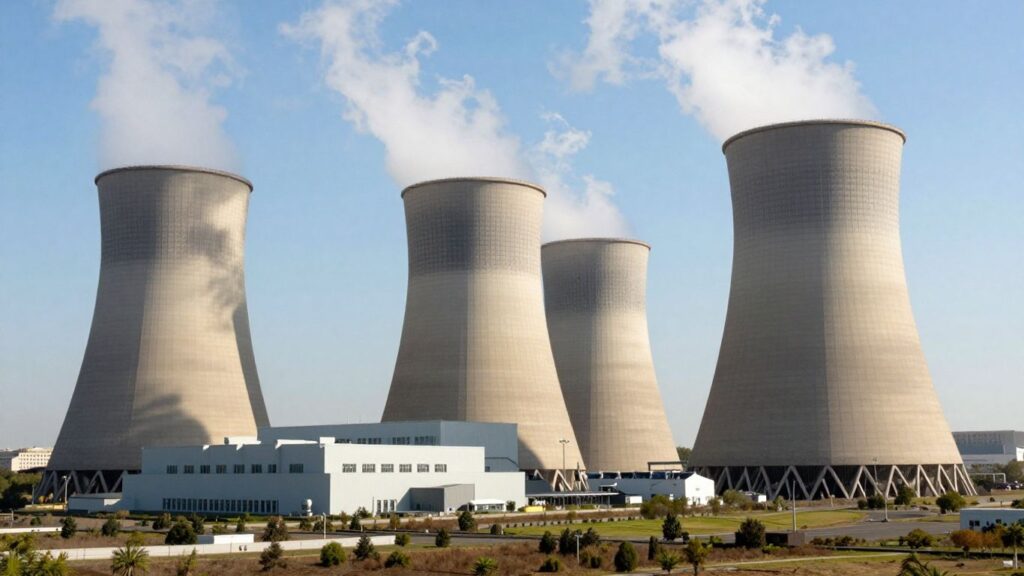
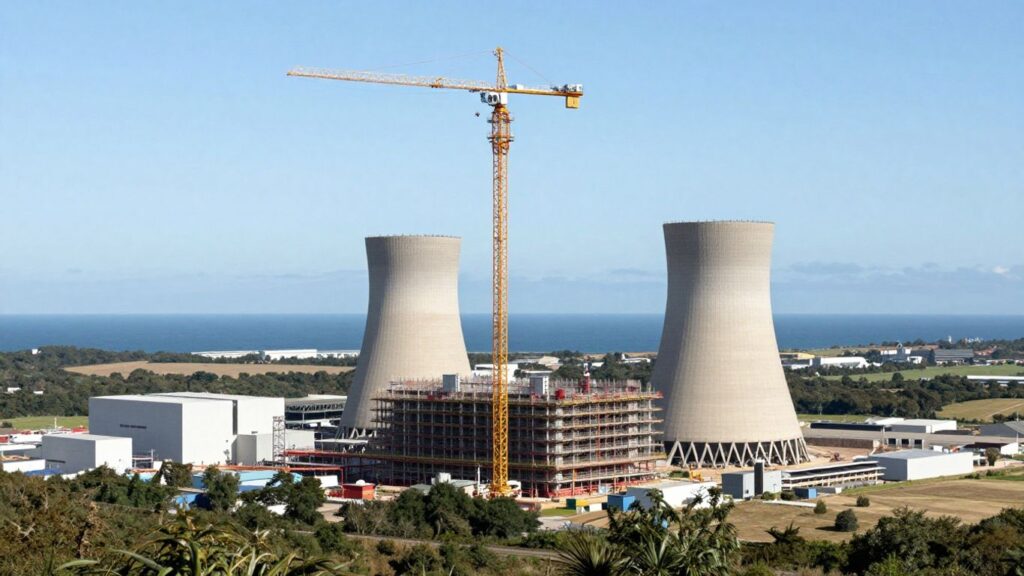
To address this energy gap, Big Tech is turning to nuclear power. Microsoft has agreed to help restart the Three Mile Island nuclear power plant in Pennsylvania, a move aimed at supplying its data centers. Google has announced a deal with Kairos Power to purchase energy from small modular reactors (SMRs), with the first expected to be operational by 2030. Amazon is also investing in SMR development through a partnership with X-Energy. These SMRs are seen as a more flexible and potentially cost-effective option compared to traditional large-scale nuclear reactors.
Why Nuclear Power?
Nuclear energy offers a compelling solution for tech companies striving to meet ambitious emissions-free power goals by 2030. Unlike solar and wind power, nuclear reactors can provide a steady, around-the-clock energy supply, which is crucial for the continuous operation of AI systems and data centers. This reliability is a key factor driving the shift, as intermittent renewable sources often require significant battery storage to ensure consistent power delivery.
Challenges and the Future
Despite the benefits, the increased reliance on nuclear power is not without its challenges. Public perception, historical safety concerns, and the significant upfront costs and construction timelines for nuclear projects remain hurdles. Furthermore, experts emphasize the need for substantial investment in the electricity grid infrastructure to effectively transmit the power generated by these new energy sources. While Big Tech is also investing in solar and wind, the unique demands of AI are pushing them to diversify their energy strategies with nuclear power as a critical component.
Sources
- Big Tech’s big bet on nuclear power, CBS News.
- Meta becomes the latest big tech company turning to nuclear power for AI needs, AP News.
- Google joins Big Tech’s move into nuclear power, and other top energy stories, The World Economic Forum.
- Amazon, Google and Microsoft Are Investing in Nuclear Power, The New York Times.
- Big Tech turns to nuclear energy to fuel power-intensive AI ambitions, CNBC.