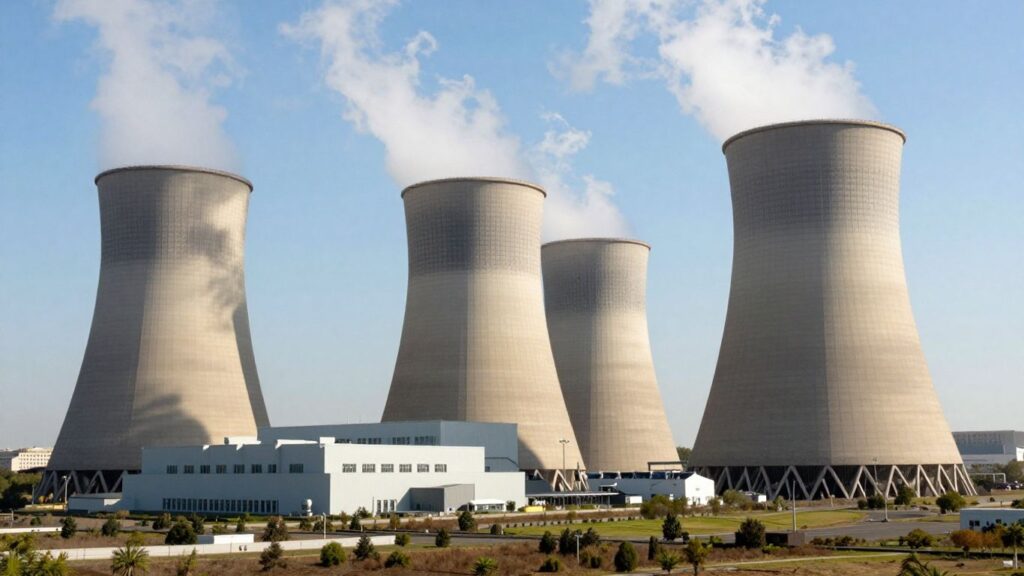

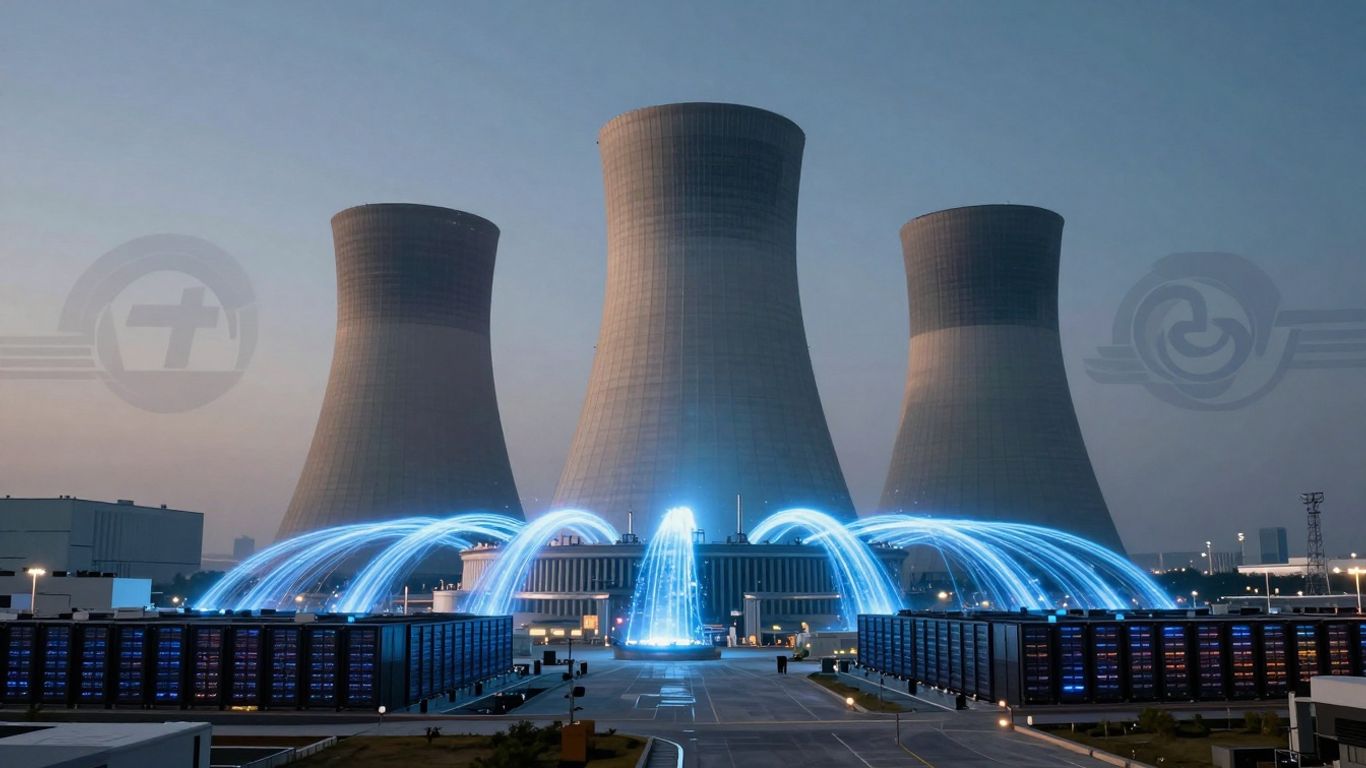
Major technology companies, including Meta, Amazon, Microsoft, and Google, are making significant investments in nuclear power. This strategic shift aims to secure vast amounts of reliable, low-emission energy required to power the rapidly expanding artificial intelligence sector and its data centers, while also pursuing ambitious climate goals.
Key Takeaways
- Big Tech firms are partnering with nuclear power companies to secure energy for AI.
- Investments range from purchasing power from existing plants to funding advanced reactor technologies.
- A key challenge is the timeline mismatch between AI’s immediate energy needs and the long construction periods for new nuclear facilities.
- Nuclear power offers a consistent, carbon-free energy source crucial for 24/7 data center operations.
The AI Energy Crunch
The exponential growth of artificial intelligence has created an unprecedented demand for electricity. Projections indicate that AI could significantly increase global data center power consumption by the end of the decade, potentially requiring energy levels comparable to entire countries. Tech giants, committed to net-zero emissions, are seeking sustainable solutions to meet this surge.
Nuclear Power: A Reliable, Clean Solution
Nuclear energy stands out as a prime candidate due to its ability to provide a constant, carbon-free power supply, unlike intermittent renewable sources like solar and wind. This "firm" energy is essential for the continuous operation of AI data centers. Furthermore, nuclear power enjoys broad bipartisan support in the U.S., making it a more politically stable option compared to some renewable energy initiatives.
Investments in Existing and Advanced Nuclear Technologies
Tech companies are pursuing a dual strategy: supporting existing nuclear infrastructure and investing in next-generation reactor designs.
- Reopening and Relicensing Plants: Microsoft has agreed to a substantial deal to restart the Three Mile Island Unit 1 reactor, ensuring a customer for its power output. Meta has also secured a 20-year deal for nuclear power from Constellation Energy, expanding the output of its Clinton Clean Energy Center.
- Funding Advanced Reactors: Google has partnered with Kairos Power, investing in their small, molten-salt-cooled reactors, with a power purchase agreement set to begin by 2030. Amazon has invested in X-energy, a startup developing smaller, more standardized reactors designed for quicker and less expensive construction.
Challenges and Timelines
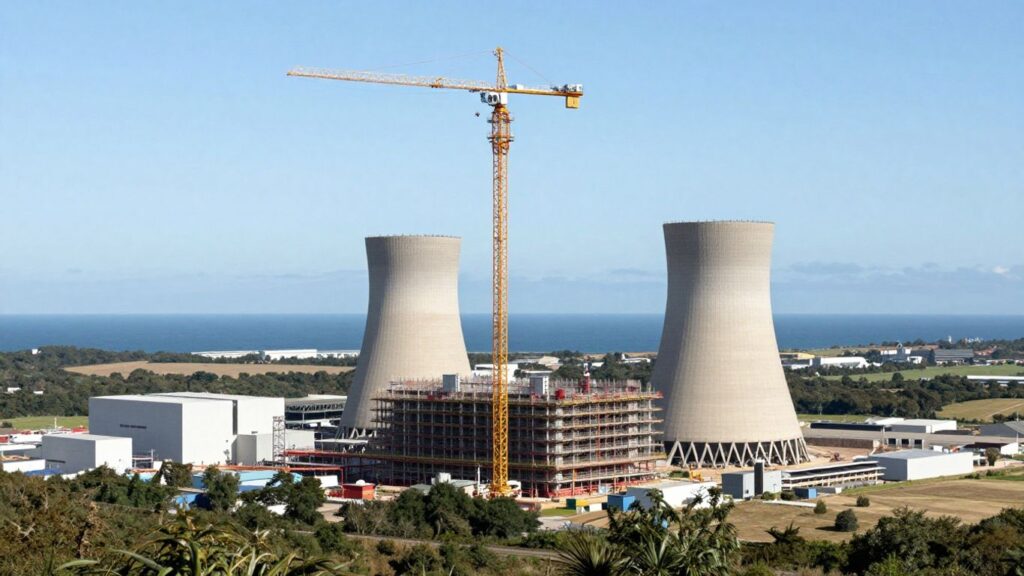
A significant hurdle is the timing mismatch. While AI’s energy demands are immediate, building new nuclear plants can take up to a decade. Even advanced technologies like small modular reactors (SMRs) face development and regulatory approval timelines that may not align with the next three to five years of critical energy needs. This gap means tech companies will likely continue to rely on fossil fuels in the interim.
The Road Ahead
While these investments are crucial for advancing nuclear technology and meeting climate goals, current projects are often modest demonstrations. Scaling up nuclear capacity to meet the vast energy requirements of AI will necessitate the construction of numerous new plants. Experts agree that significant expansion of nuclear power, whether through established or novel designs, is unlikely to reach scale until the early 2030s. The decisions made today regarding energy infrastructure will shape the grid for decades to come, highlighting the need for a diverse energy mix including renewables, storage, and nuclear power.
Sources
- Can nuclear power really fuel the rise of AI?, MIT Technology Review.
- Big Tech’s big bet on nuclear power to fuel artificial intelligence, CBS News.
- Meta becomes the latest big tech company turning to nuclear power for AI needs, AP News.
- Google joins Big Tech’s move into nuclear power, and other top energy stories, The World Economic Forum.
- Big Tech’s big bet on nuclear power, CBS News.