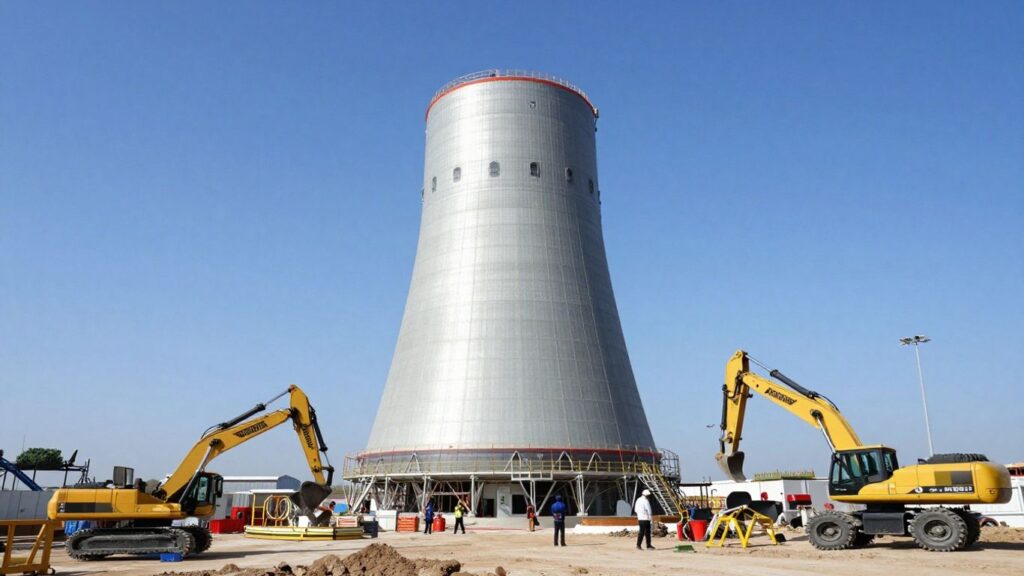

In a significant shift driven by the insatiable energy demands of artificial intelligence and burgeoning data centers, major technology companies are making substantial investments in nuclear energy. This move signals a new era for nuclear power, once a controversial energy source, as tech giants seek reliable, carbon-free electricity to meet their ambitious climate goals and power the next wave of technological innovation.
Key Takeaways
- Major tech firms like Microsoft, Google, and Amazon are investing heavily in nuclear energy.
- The primary driver is the immense power consumption of AI data centers.
- Investments include restarting existing plants and funding the development of Small Modular Reactors (SMRs).
- While promising, SMR technology is still largely in development, raising questions about timelines and cost-effectiveness.
- Critics express concerns about safety, waste disposal, and the potential for better investment in existing renewable technologies.
The AI Energy Crunch
The rapid proliferation of generative AI has created an unprecedented demand for electricity. Data centers, the backbone of AI operations, require vast and consistent power supplies. Tech companies, many of whom have pledged to achieve net-zero carbon emissions, are finding that their existing renewable energy portfolios are insufficient to meet these escalating needs. This has led them to look towards nuclear power, which offers a stable, 24/7 carbon-free energy source.
Big Tech’s Nuclear Investments
Microsoft has announced a significant investment to restart the Three Mile Island nuclear power plant in Pennsylvania, a site historically associated with a major accident. Google is partnering with nuclear startup Kairos Power to develop and purchase electricity from Small Modular Reactors (SMRs), with the goal of having the first operational by 2030. Amazon is also investing in new reactor development, aiming for operational power by 2040.
The Promise and Peril of SMRs
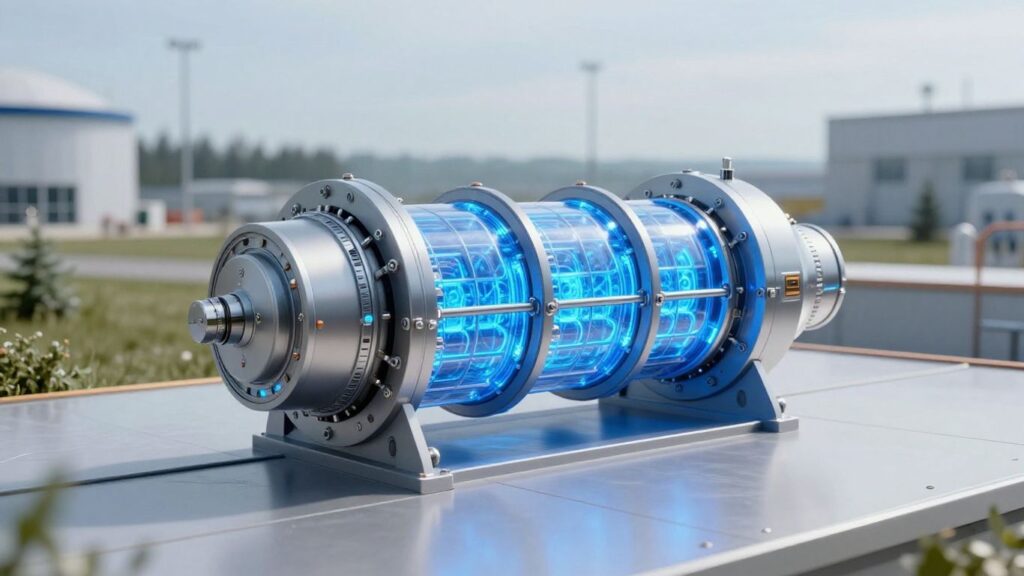
Small Modular Reactors are being touted as a more efficient, cost-effective, and safer alternative to traditional nuclear plants. Proponents suggest they can be built faster and at scale in factories. However, critics point out that SMR technology is still in its nascent stages, with few, if any, having been successfully demonstrated outside of Russia and China. Concerns remain about the actual costs, timelines, waste management, and public safety risks associated with these new designs.
Skepticism and Alternative Views
While tech companies are betting on nuclear, some experts and climate activists urge caution. They argue that the significant investment in developing SMRs could be better directed towards proven and readily available renewable energy sources like solar and wind. Questions are also being raised about the speed at which nuclear projects can deliver power compared to the immediate and rapidly growing energy demands of AI, with some suggesting that nuclear power may be a long-term solution to a short-term problem.
Sources
- Big Tech goes all-in on nuclear as data centers proliferate, Marketplace.org.
- Big Tech’s big bet on nuclear power to fuel artificial intelligence, CBS News.
- Microsoft, Google and Amazon turn to nuclear energy to fuel the AI boom, CBC.
- Artificial Intelligence Is Fueling A ‘Nuclear Renaissance.’ Bill Gates And Jeff Bezos Are In On It. |
Investor’s Business Daily, Investor’s Business Daily. - Big Tech companies to invest in nuclear energy for AI needs – NBC Bay Area, NBC Bay Area.