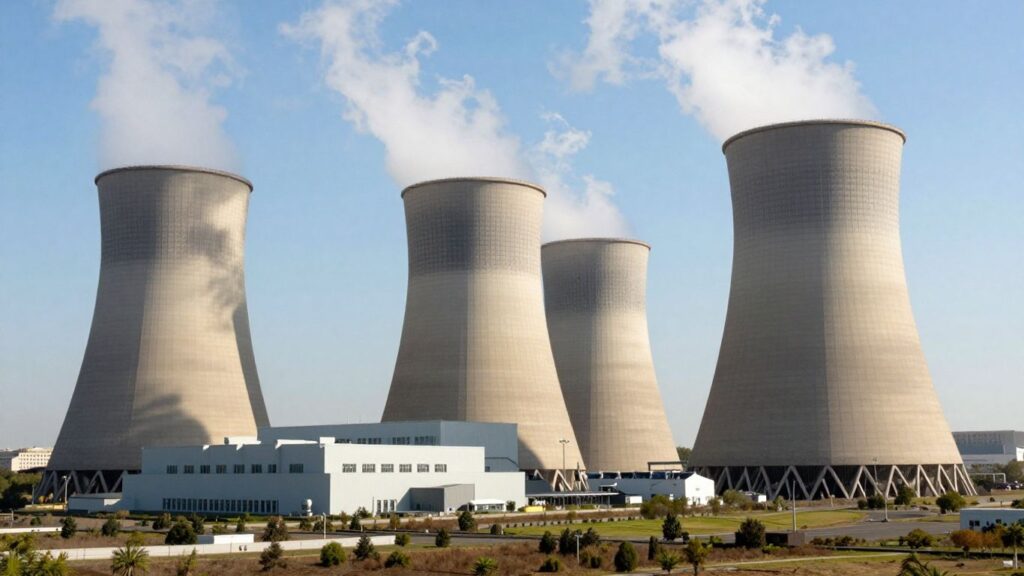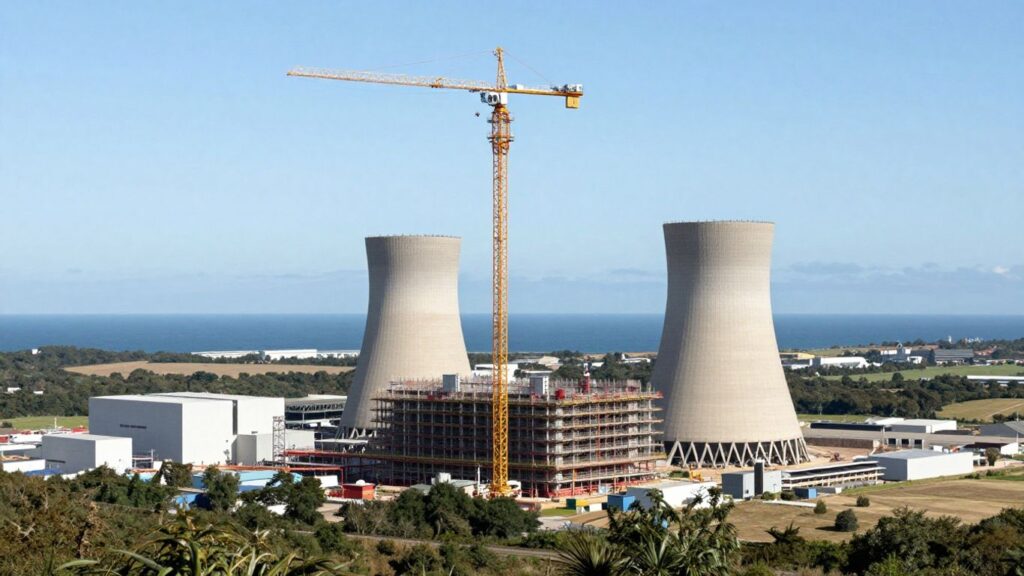

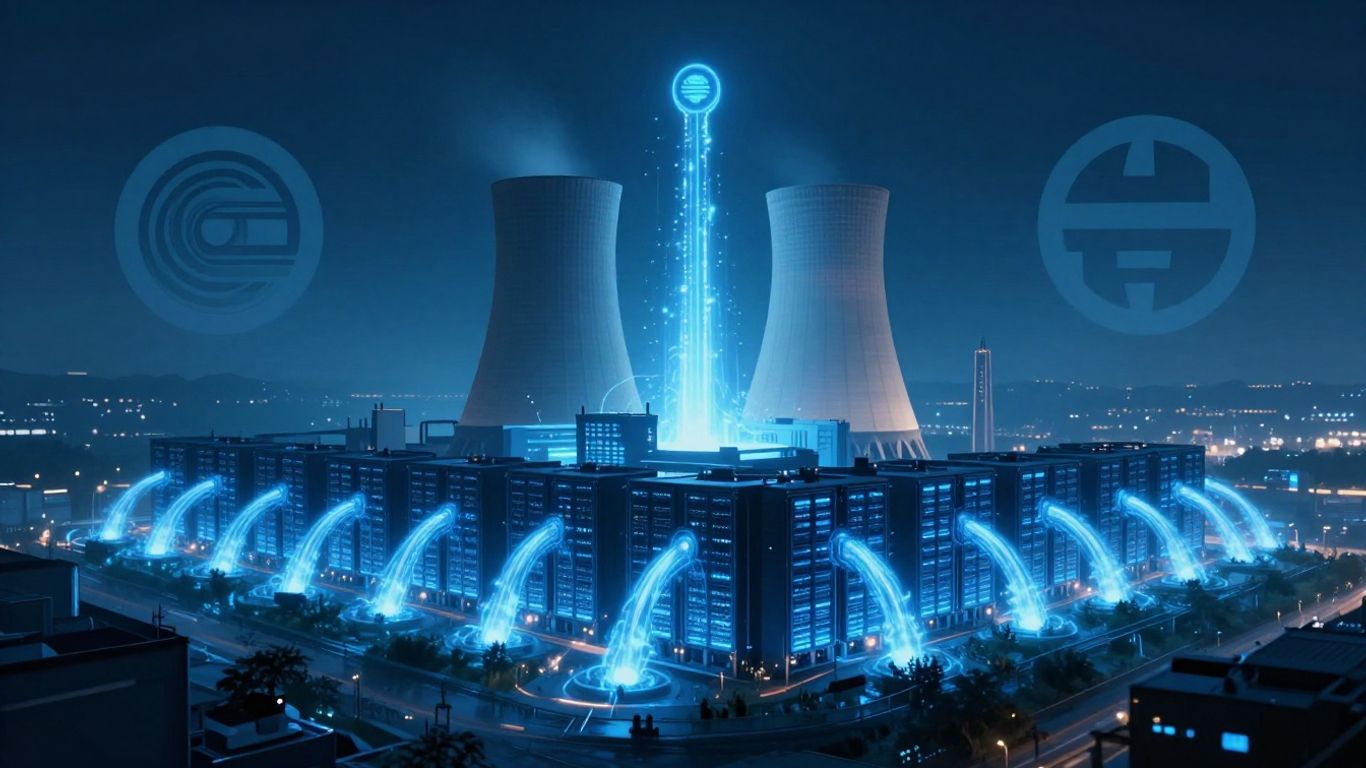
In a significant shift to meet the escalating energy demands of artificial intelligence and data centers, major technology companies like Microsoft, Google, and Amazon are making substantial investments in nuclear power. This strategic pivot aims to secure a reliable, emissions-free energy source to power their ambitious AI initiatives and meet climate goals.
Key Takeaways
- Major tech firms are investing billions in nuclear energy to power AI and data centers.
- This move is driven by the immense electricity needs of AI and the companies’ commitments to net-zero emissions.
- Investments include reviving existing plants and developing new small modular reactors (SMRs).
- While promising, challenges remain regarding the timeline, cost, and commercial viability of new nuclear technologies.
The AI Energy Demand
The rapid advancement and widespread adoption of artificial intelligence have created an unprecedented demand for electricity. AI-focused data centers consume vast amounts of power, far exceeding the needs of traditional tech operations. This surge in energy consumption has prompted tech giants, who have previously invested heavily in renewable sources like solar and wind, to seek more consistent and powerful energy solutions.
Big Tech’s Nuclear Investments
Microsoft has agreed to a significant deal to restart a reactor at the Three Mile Island nuclear power plant in Pennsylvania, aiming for a reliable, clean energy source for two decades. Google is investing in a new generation of nuclear technology, specifically small modular reactors (SMRs), with plans to purchase power from Kairos Power’s planned facilities. Amazon has also announced investments in SMR development through a partnership with X-Energy.
These companies are drawn to nuclear power because it offers a consistent, 24/7 energy supply, unlike intermittent sources like solar and wind, which require extensive battery storage. This reliability is crucial for the continuous operation of AI data centers.
The Promise and Peril of SMRs
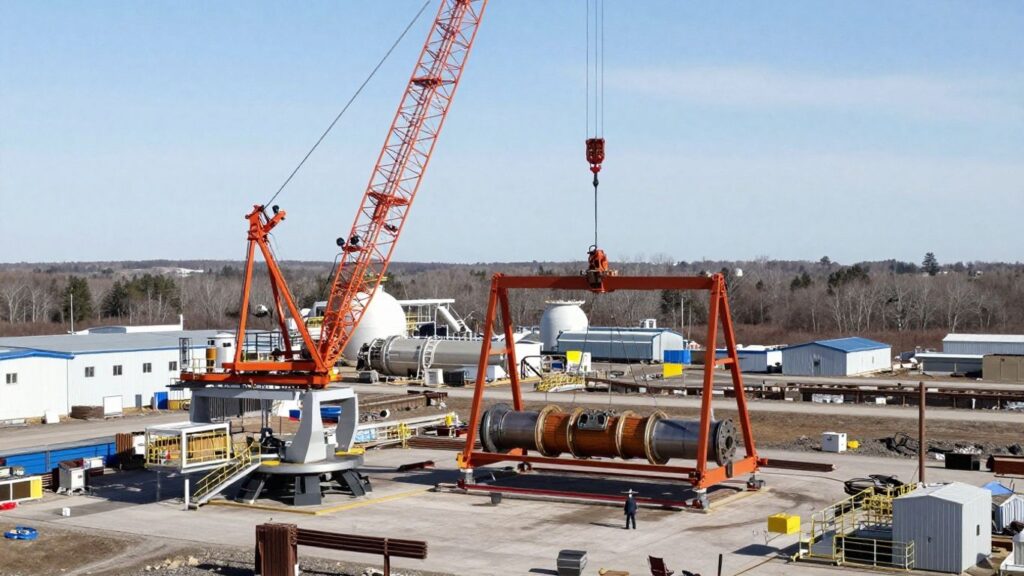
Small modular reactors (SMRs) are a key focus for many of these investments. Proponents tout them as potentially safer, cheaper, and faster to build than traditional large-scale nuclear plants. Companies like Kairos Power are developing reactors that use fuel pebbles instead of traditional fuel rods, promising zero carbon emissions and lower operational risks. However, critics point out that SMRs are largely unproven commercially, and their development timelines and costs may prove more challenging than anticipated.
Navigating the Energy Transition
While the investments in nuclear power are seen by some as a positive step towards achieving ambitious emissions reduction goals, others express caution. Concerns have been raised about the speed at which these technologies are being pursued and the potential risks associated with deploying new nuclear technologies. The race to power AI highlights the complex challenges and trade-offs inherent in the global energy transition, requiring a balance between innovation, sustainability, and safety.
Sources
- US energy firms spend big on data centre power – and more top energy stories, The World Economic Forum.
- Big Tech’s big bet on nuclear power to fuel artificial intelligence, CBS News.
- Big Tech’s big bet on nuclear power, CBS News.
- Amazon, Google and Microsoft Are Investing in Nuclear Power, The New York Times.
- Microsoft, Google and Amazon turn to nuclear energy to fuel the AI boom, CBC.