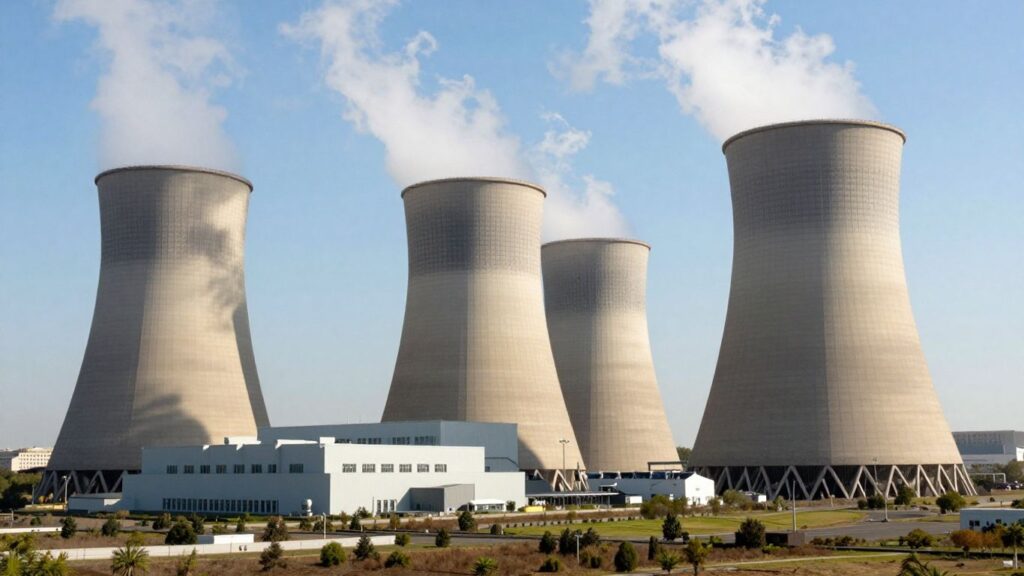

In a significant shift, major technology companies are increasingly turning to nuclear energy to power the immense demands of artificial intelligence data centers. This strategic pivot aims to secure reliable, carbon-free electricity, addressing both escalating energy needs and ambitious climate goals.
Key Takeaways
- Major tech firms like Amazon, Meta, Microsoft, and Google are investing in nuclear power.
- The surge in AI data center construction is driving unprecedented electricity demand.
- Nuclear energy offers a consistent, low-emission power source crucial for 24/7 data center operations.
- Investments range from purchasing power from existing plants to funding advanced reactor technologies like Small Modular Reactors (SMRs).
- Challenges remain, including the long lead times for new plant construction and the development of SMR technology.
The AI Energy Crunch
The rapid expansion of artificial intelligence has created an insatiable appetite for electricity. Data centers, the backbone of AI, require vast and constant power. Projections indicate that data center energy demand could skyrocket, potentially increasing global demand by over 165% by 2030. This surge presents a significant challenge for tech companies striving to meet net-zero emissions targets.
Nuclear’s Appeal for Tech Giants
Nuclear power offers a compelling solution due to its ability to provide firm, carbon-free, and dispatchable energy. Unlike intermittent renewables like solar and wind, nuclear plants can operate continuously, ensuring the stable power supply essential for AI operations. Tech companies are leveraging this by entering into power purchase agreements with existing nuclear facilities and investing in next-generation nuclear technologies.
Investing in the Future of Nuclear
Companies are exploring various avenues within the nuclear sector. Microsoft has made headlines with its investment to restart the Three Mile Island plant, aiming for a quicker and more cost-effective solution than building new facilities. Simultaneously, Google and Amazon are backing the development of Small Modular Reactors (SMRs). These advanced reactors are designed to be smaller, faster to build, and potentially cheaper than traditional plants, though the technology is still in its early stages of development and demonstration.
Navigating the Challenges
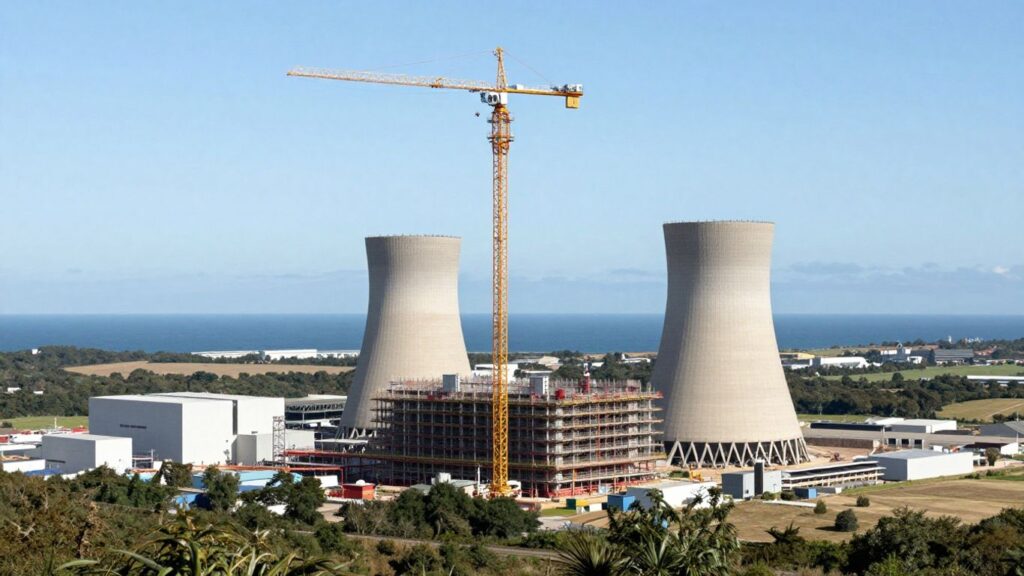
Despite the growing interest, significant hurdles persist. The construction of new nuclear power plants can take up to a decade, creating a timing mismatch with the immediate energy needs of expanding AI infrastructure. While SMRs promise faster deployment, many designs are still on paper, and their economic viability and safety at scale are yet to be fully proven. Experts caution that while nuclear is a vital part of the energy mix, it may not be a short-term solution for the AI energy demand, necessitating a continued reliance on other energy sources in the interim.
Sources
- Assessing Vistra (VST) Valuation After New Nuclear Demand And Big Tech Power Deals, Simply Wall St.
- Nuclear power could be a $10 trillion industry that ‘holds the answer to the world’s power shortages’, Yahoo Finance.
- Can nuclear power really fuel the rise of AI?, MIT Technology Review.
- Big Tech goes all-in on nuclear as data centers proliferate, Marketplace.org.
- Big Tech’s big bet on nuclear power to fuel artificial intelligence, CBS News.