

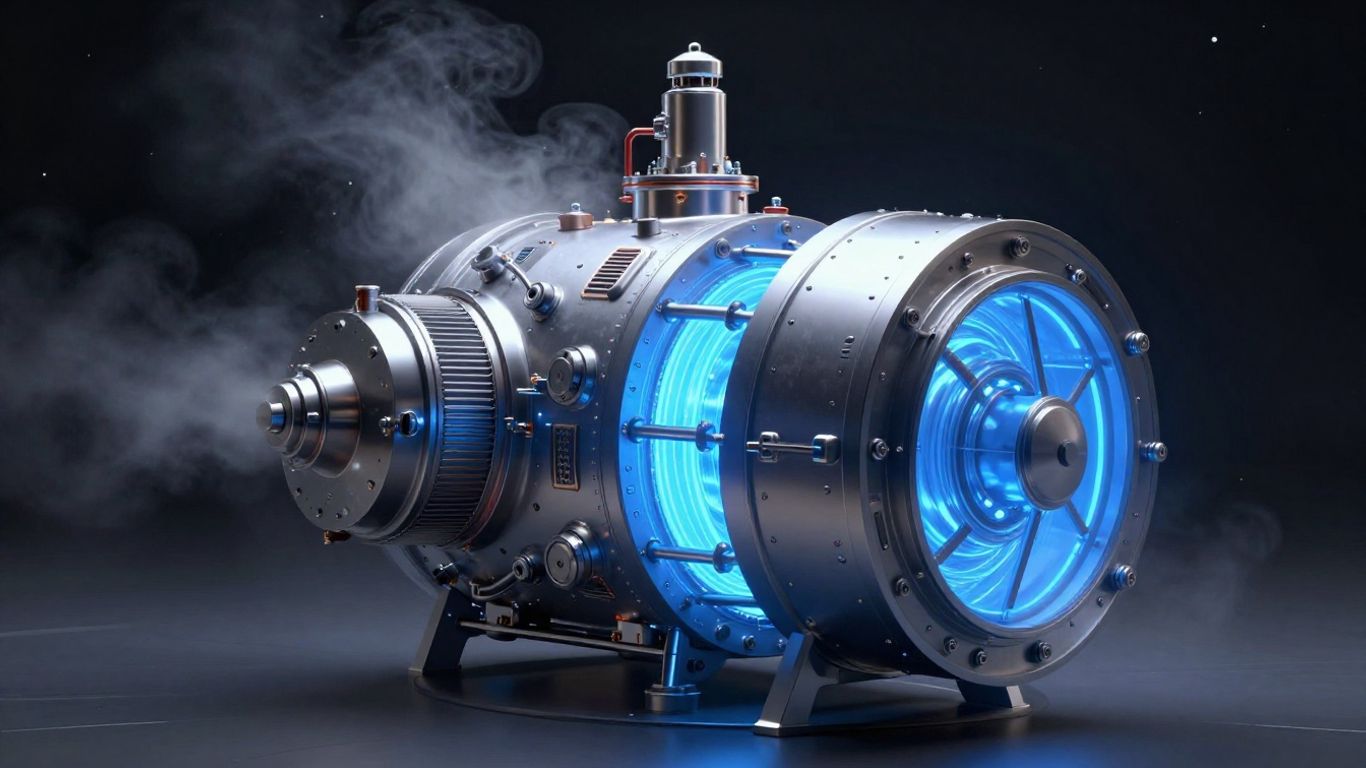
Small Modular Reactors (SMRs) are emerging as a significant contender in the global pursuit of clean and reliable energy. With potential advantages in cost, construction time, and scalability compared to traditional large-scale nuclear plants, SMRs are attracting considerable interest from governments and private investors alike. However, challenges related to technological development, market demand, regulatory hurdles, and political support remain.
Key Takeaways
- Small Modular Reactors (SMRs) offer a potential solution to the cost and construction challenges of traditional nuclear power.
- SMRs are smaller, ranging from 1 MW to 300 MW, and can be built in factories, potentially reducing costs and timelines.
- Significant risks, including technological uncertainty, market volatility, regulatory unpredictability, and the need for sustained political backing, must be addressed.
- Governments are increasingly involved in funding and developing SMRs, recognizing their potential strategic importance.
The Promise of SMRs
Traditional large nuclear reactors have faced significant hurdles, including disastrous delays, cost overruns, and lengthy construction periods. These issues have made them less competitive compared to other energy sources. Small Modular Reactors (SMRs) aim to overcome these limitations. These reactors are significantly smaller, typically ranging from 1 MW to 300 MW, compared to the 1,000 MW of conventional plants. Their modular design allows for flexible configurations and the potential for factory-based construction, which could lead to economies of scale and reduced costs with repeated production.
Navigating the Risks
Despite their potential, SMRs face several core risks. Technological risks involve the uncertainty of new designs and the possibility of competing energy sources becoming more advanced or cheaper. Market risks stem from the unknown longevity of energy demand growth and whether nuclear’s advantages will ultimately be decisive. Supply-side concerns include fuel availability and the ability to build plants on time and within budget. Regulatory risks are substantial, as the approval pathway for new nuclear designs is still unpredictable, even with efforts by regulatory bodies to streamline the process. International coordination on SMR development is also in its early stages. Finally, political risks are magnified by the long development timelines, requiring consistent bipartisan support and government backing, as sudden strategic shifts could be detrimental.
The Role of Government and Industry
Developing SMRs requires a comprehensive approach that spans the entire development cycle, from basic research to scale-up. Governments worldwide, including in the U.S., are providing funding and support across these stages. This includes support for national labs, demonstration projects, and loan programs for scaling up. However, a more coordinated strategy is needed, involving multiple government agencies and clear direction from the Department of Energy and the White House. The burgeoning demand for clean energy from sectors like data centers presents a significant opportunity for SMRs to become a strategic industry, provided there is sustained, bipartisan political commitment and effective support throughout the development process.
Sources
- Think small: Why America should bet on small modular reactors, Utility Dive.
- Ontario Newsroom, Ontario Newsroom.