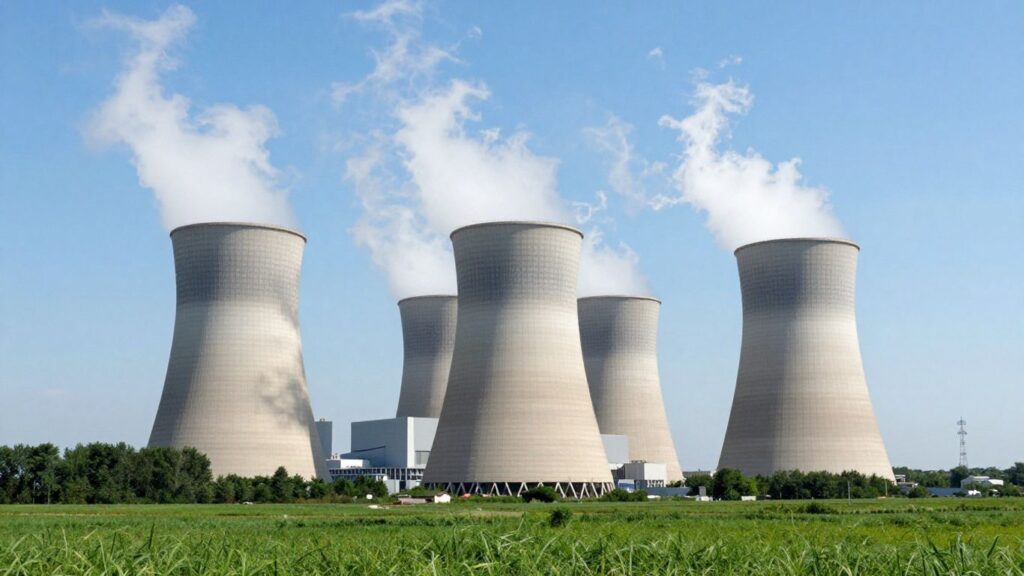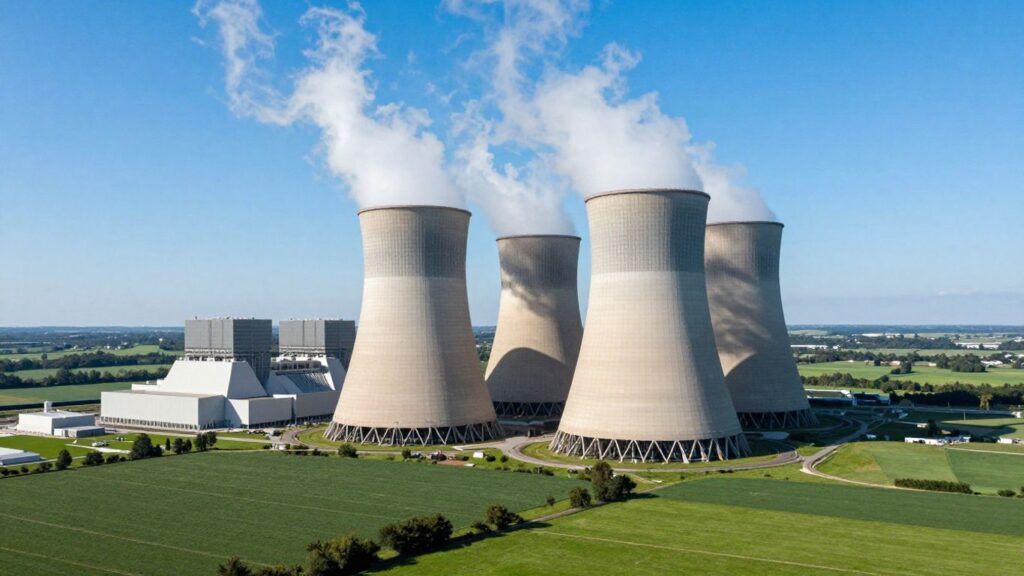

Ontario has announced its plan to construct the first small modular reactor (SMR) in the G7, positioning the province as a trailblazer in modern nuclear technology. This move comes as Ontario seeks to address rapidly increasing electricity demand while also targeting carbon-neutral energy goals.
Key Takeaways
- Ontario is building the G7’s first-ever small modular reactor (SMR) at Darlington.
- Nuclear power supplies more than half of Ontario’s electricity.
- The province is planning to expand its nuclear portfolio with both SMRs and potential refurbishments of aging plants.
- The decision is driven by the drive for clean energy and reliability to support electrification, including the automotive sector’s shift to electric vehicles.
Why Small Modular Reactors Matter
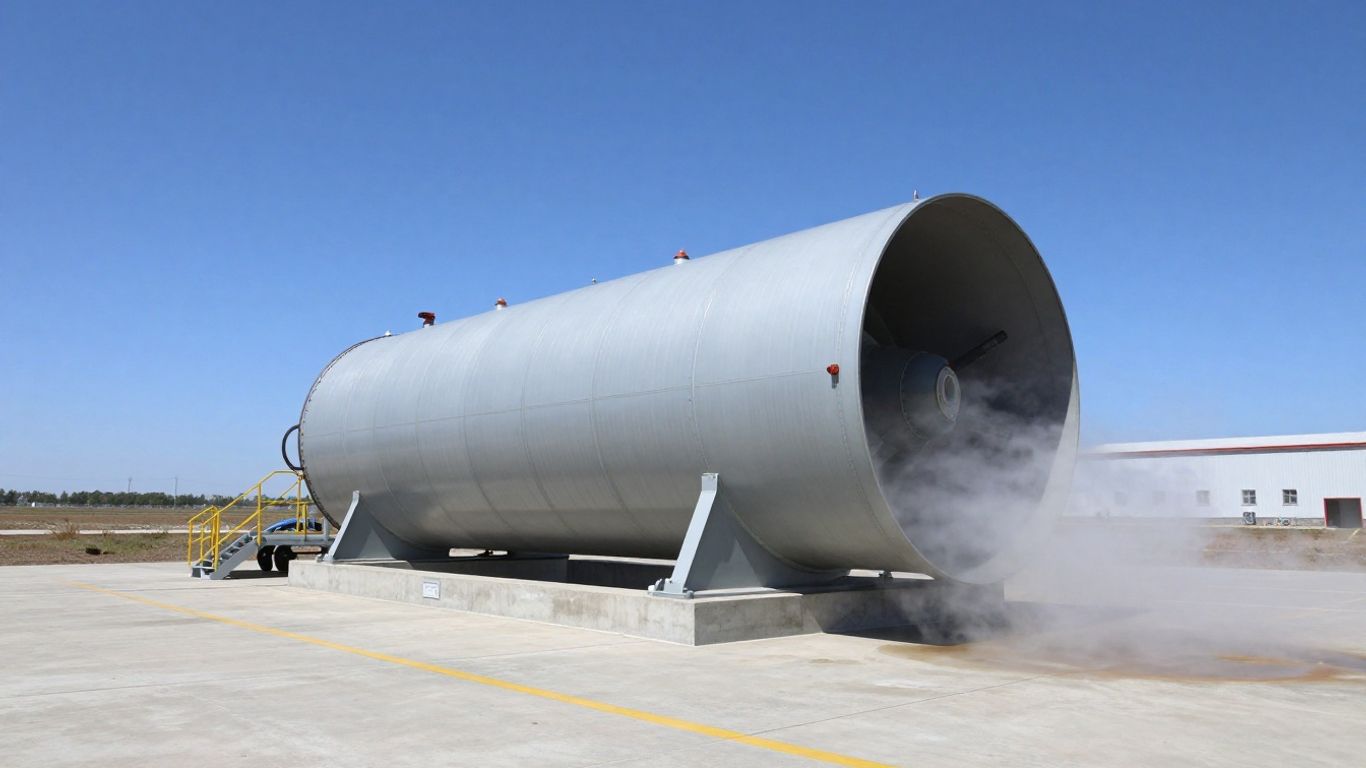
Small modular reactors are next-generation nuclear power plants designed to provide safe, reliable, and emissions-free electricity on a smaller scale and with faster deployment than traditional reactors. The Darlington site in Ontario has been selected as the location for the first SMR of its kind among G7 countries. This innovative technology is part of a strategy to bolster Ontario’s clean energy supply and help industries decarbonize.
Ontario’s Broader Nuclear Expansion Plans
Ontario’s government sees nuclear energy as vital to meeting its future power needs, with electricity demand forecasted to double over the next 25 years. Recent plans include:
- Adding three more SMRs at the Darlington site, collectively capable of powering 1.2 million homes.
- Nearly doubling production at the existing Bruce Power facility — the world’s largest nuclear generating station.
- Refurbishing the Pickering nuclear plant, the oldest of its kind in Canada, to extend its operational life.
These projects are part of a broader vision that may see up to $400 billion invested in updating Ontario’s entire electricity infrastructure by 2050, ensuring that the power grid remains both robust and emissions-free.
Economic and Environmental Impact
Investments in new nuclear infrastructure, particularly SMRs, are expected to:
- Create high-quality engineering, construction, and operational jobs.
- Strengthen Ontario’s appeal as a hub for electric vehicle manufacturing.
- Reduce greenhouse gas emissions by providing reliable, carbon-free electricity.
Federal support, such as a 15% investment tax credit for clean energy projects, is helping drive this initiative. Ontario’s clean and affordable electricity has already played a role in attracting international firms like Volkswagen and Stellantis to invest in the province’s electric vehicle sector.
Balancing Benefits and Concerns
While nuclear energy is lauded for being emissions-free and reliable, concerns remain about high costs, long-term risks, and the challenge of dealing with nuclear waste. Some experts warn that locking into nuclear now may mean missing out on other emerging clean technologies in the future. Nevertheless, the Ontario government remains committed to nuclear as a cornerstone of its clean energy strategy.
What’s Next
Ontario Power Generation’s feasibility study on refurbishing Pickering is under review, while the Darlington SMR project moves forward as a symbol of Ontario’s nuclear renaissance. These efforts highlight the province’s ambition to set global benchmarks in clean electricity generation, innovation, and energy security.
Sources
- Ontario Newsroom, Ontario Newsroom.
- Ontario Newsroom, Ontario Newsroom.
- Ontario prepares to go big on nuclear, with demand for electricity poised to soar, CBC.