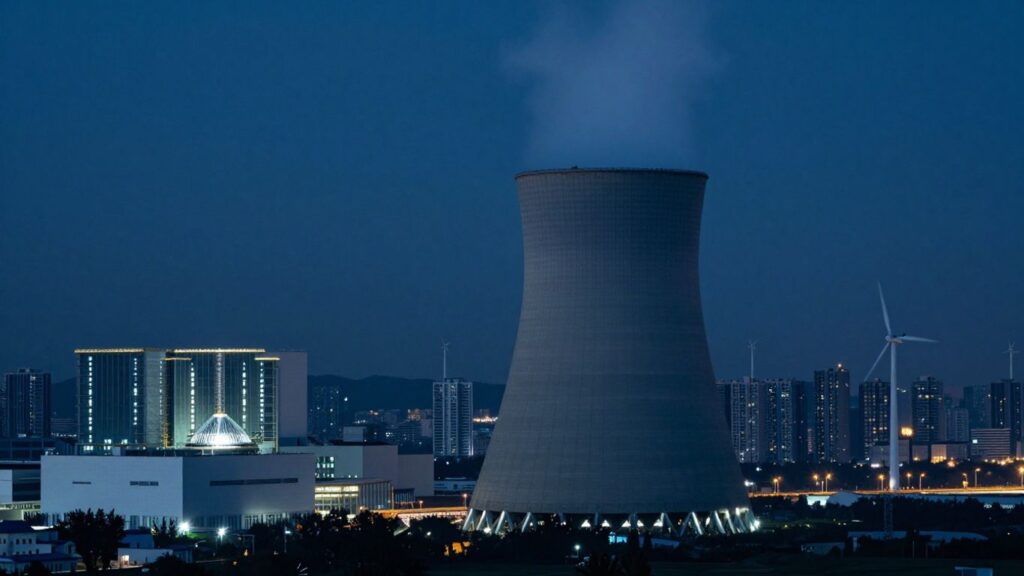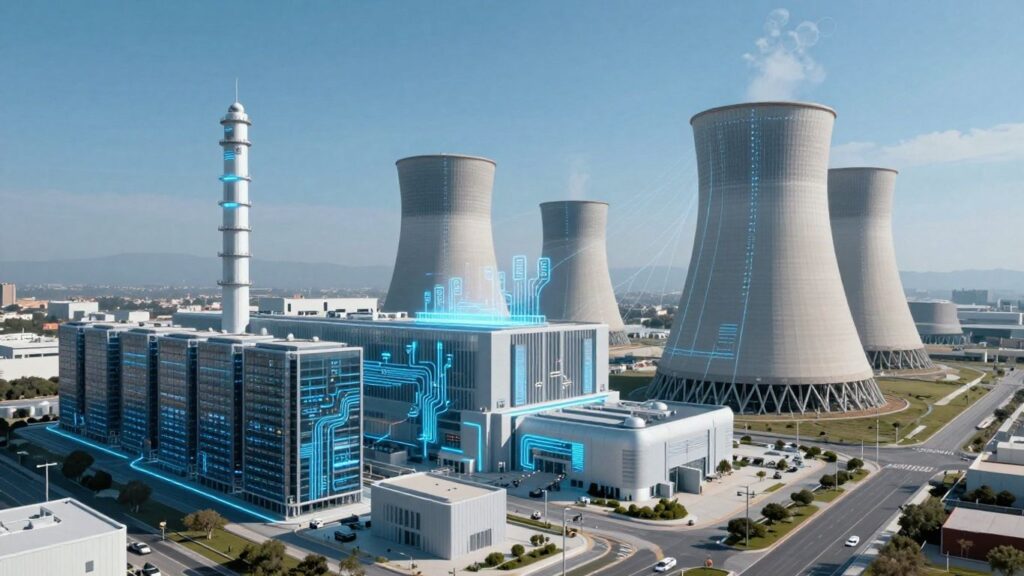

In a landmark achievement for clean energy, scientists have successfully generated more energy from a nuclear fusion reaction than was used to initiate it. This breakthrough, a long-sought goal in the field, marks a significant step towards harnessing the power of stars for terrestrial energy needs and could revolutionize the global energy landscape.
Key Takeaways
- Net Energy Gain: For the first time, a controlled fusion experiment has produced more energy than was put into it, a critical proof of principle.
- Clean Energy Potential: Fusion power promises abundant, carbon-free energy without the long-lasting radioactive waste associated with current nuclear fission.
- Commercialization Push: The breakthrough is accelerating private investment and development, with companies aiming for grid power within the next decade.
- Technological Hurdles Remain: While scientifically proven, significant engineering challenges must be overcome for large-scale commercial fusion power plants.
A Historic Breakthrough
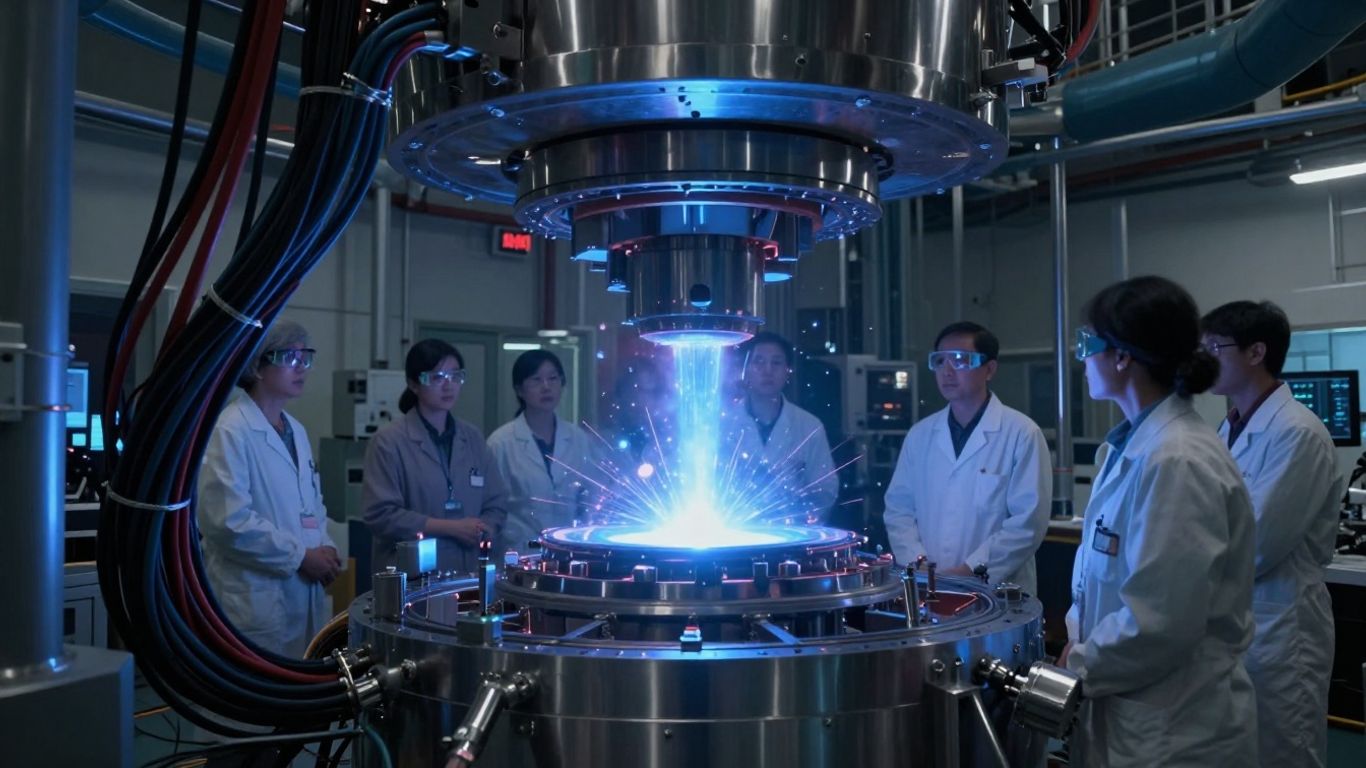
Scientists at the Lawrence Livermore National Laboratory in California announced a monumental achievement: a fusion reaction that yielded a net energy gain. This means the energy output from the fusion process exceeded the energy input required to trigger it. This milestone, often referred to as "ignition," has been a primary objective for fusion research for over six decades.
Fusion, the process that powers the sun, involves forcing atomic nuclei together to release vast amounts of energy. Replicating this on Earth has been a formidable scientific and engineering challenge. The recent success involved directing 192 high-energy lasers at a tiny fuel pellet, creating temperatures exceeding 3 million degrees Celsius and pressures intense enough to simulate stellar conditions.
The Promise of Fusion Power
The implications of this breakthrough are profound. Fusion energy offers a virtually limitless source of clean power. Unlike nuclear fission, which splits atoms and produces hazardous long-term waste, fusion combines atoms and generates no carbon emissions and minimal radioactive byproducts. This makes it an incredibly attractive solution for combating climate change and ensuring future energy security.
Accelerating Commercialization
Buoyed by this scientific validation, the private sector is rapidly advancing fusion technology. Companies like Commonwealth Fusion Systems (CFS) are developing innovative approaches, including the use of high-temperature superconducting magnets to contain the superheated plasma required for fusion. CFS aims to deliver power to the grid in the early 2030s.
Investment in private fusion startups has surged, with billions of dollars being poured into research and development. This influx of capital is driving faster innovation and a more commercially focused approach compared to decades of government-led research. Major tech companies are also showing interest, seeking reliable, high-capacity power sources for their data centers.
The Road Ahead
Despite the excitement, significant engineering and economic hurdles remain before fusion power plants become a widespread reality. Challenges include increasing the efficiency of the process, developing robust systems capable of sustained reactions, and reducing the cost of building and operating fusion facilities. Experts estimate that commercial fusion power could still be decades away, though progress is accelerating.
Nevertheless, this net energy gain represents a critical turning point, proving the fundamental physics behind fusion energy and paving the way for a future powered by clean, abundant, and sustainable energy.