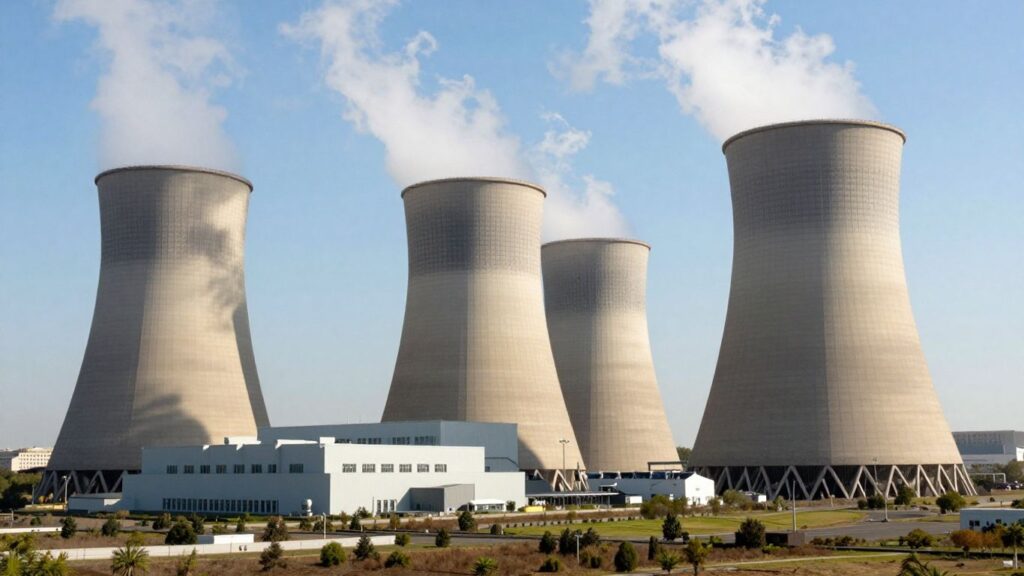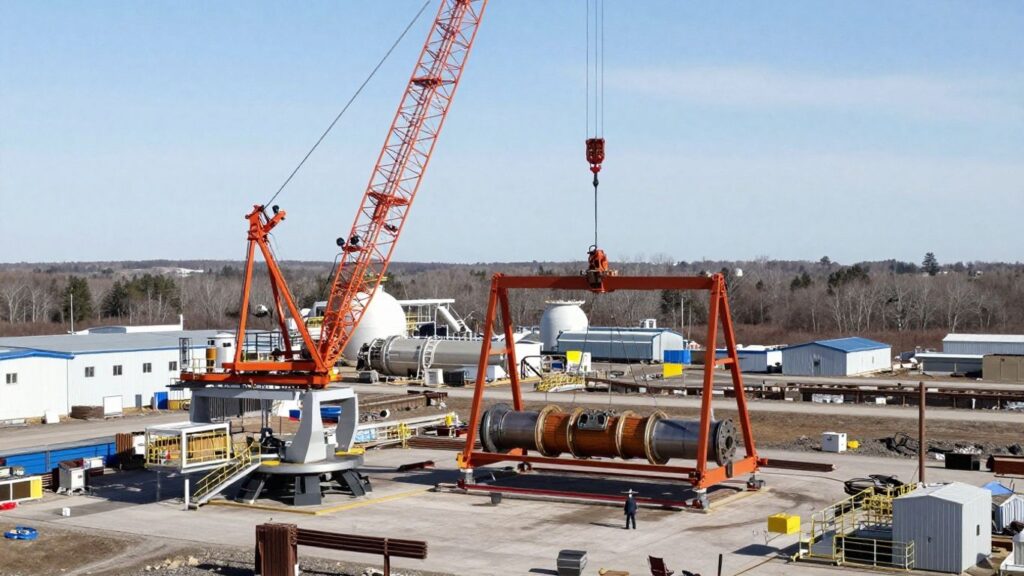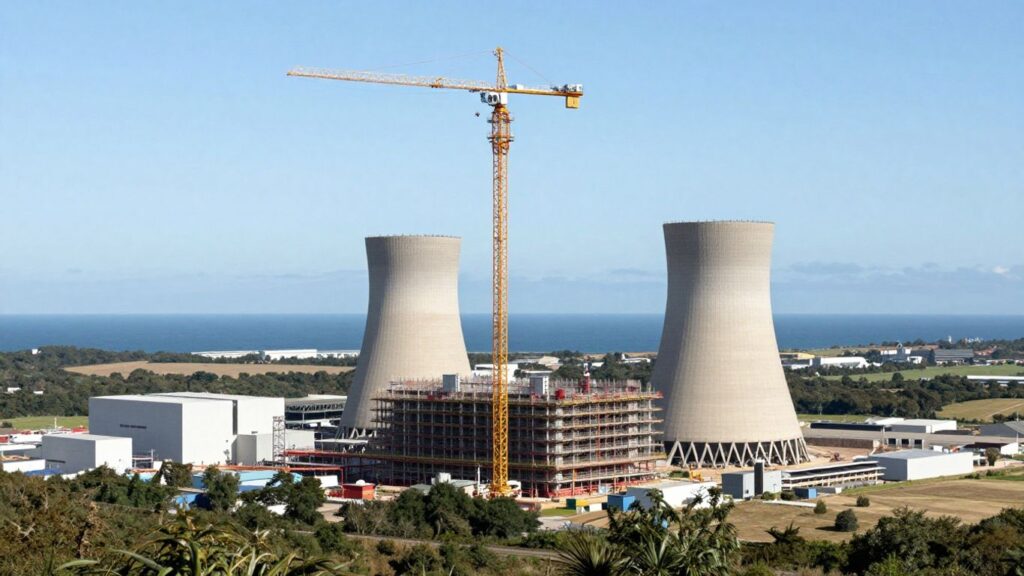


The long-sought dream of clean, virtually limitless energy from nuclear fusion is inching closer to reality. Recent advancements, particularly in private sector innovation and a landmark net energy gain, signal a potential paradigm shift in global power generation. This progress promises to reshape energy markets, geopolitics, and the fight against climate change.
Key Takeaways
- Net Energy Gain Achieved: A significant milestone was reached when a fusion reaction produced more energy than was consumed to initiate it, proving the fundamental physics are viable.
- Private Sector Surge: Billions of dollars are being invested in fusion startups, accelerating development and commercialization efforts.
- Commercialization Timeline: While challenges remain, the first commercial fusion power plants are anticipated to begin operations in the early 2030s.
- Global Race: Nations worldwide are investing heavily in fusion research and development, recognizing its potential to transform energy landscapes.
The Science and the Breakthrough
Nuclear fusion, the process powering the sun, involves merging atomic nuclei to release vast amounts of energy. Unlike nuclear fission used in current power plants, fusion produces minimal long-lasting radioactive waste and no carbon emissions. For decades, the challenge has been achieving a sustained reaction that yields more energy than it consumes. In late 2022, scientists at the Lawrence Livermore National Laboratory achieved this critical "net energy gain" for the first time, a breakthrough that has invigorated the field.
The Rise of Private Fusion
Historically funded by governments, fusion research has seen a dramatic influx of private capital in recent years. Companies like Commonwealth Fusion Systems (CFS) are at the forefront, developing innovative technologies such as high-temperature superconducting magnets to contain the superheated plasma required for fusion. These private ventures are driven by a commercial imperative, aiming for rapid development and deployment. Over 45 fusion startups globally have raised billions, signaling strong investor confidence.
Towards Commercial Power Plants
Companies like CFS are now planning pilot projects and aiming to connect fusion power to the grid in the early 2030s. One such project is slated for Virginia, with the goal of generating 400 megawatts of clean electricity. While the exact cost of fusion power remains to be seen, theoretical models suggest it could become highly competitive, potentially saving trillions globally and transforming industries from steel production to artificial intelligence data centers.
Global Implications and Future Outlook
The potential of fusion energy extends beyond just electricity generation. It could fundamentally alter geopolitical dynamics by offering energy independence and alleviating resource-driven conflicts. However, the transition will not be without its challenges. Existing energy infrastructure may need significant retrofitting, and regulatory frameworks will require adaptation. Despite these hurdles, the momentum behind fusion energy suggests a future powered by this clean, abundant source is increasingly within reach.
Sources
- A Nuclear Fusion Breakthrough May Be Closer Than You Think, Time Magazine.
- Is the world ready for the transformational power of fusion?, The World Economic Forum.
- Nuclear fusion news: The science behind the energy technology, The World Economic Forum.
- More power than used to create reaction, CNBC.