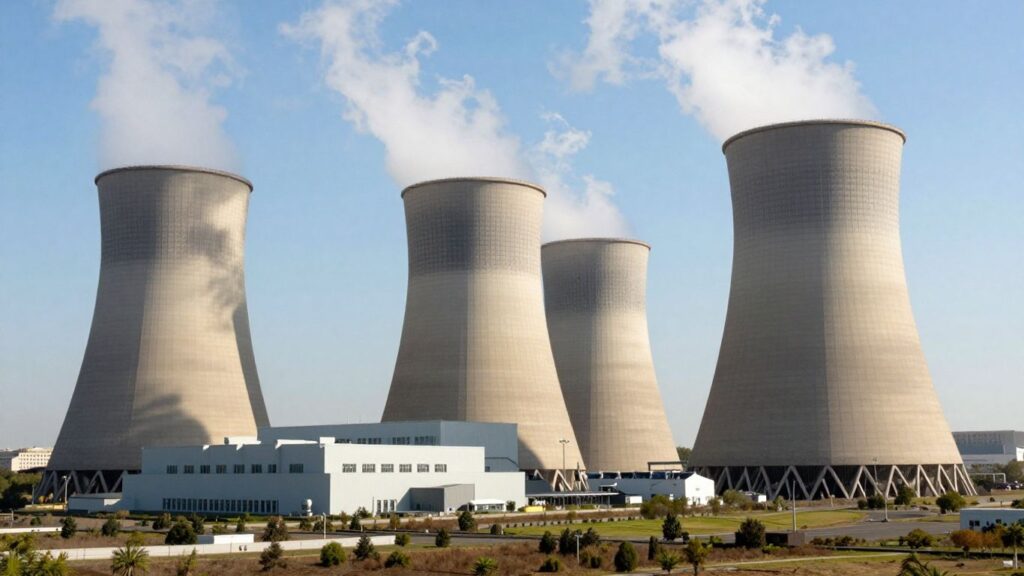

In a significant shift driven by the burgeoning demand for artificial intelligence, major technology companies like Microsoft, Google, and Amazon are making substantial investments in nuclear power. This move aims to secure reliable, carbon-free energy sources to power their massive data centers and the increasingly power-hungry AI technologies.
Key Takeaways
- Big Tech is investing heavily in nuclear power to meet the immense energy needs of AI.
- Companies are exploring both existing nuclear plants and new small modular reactor (SMR) technologies.
- Challenges include the long lead times for new nuclear construction and public perception.
- AI’s rapid growth is outpacing current renewable energy solutions and even existing nuclear capacity.
The AI Energy Crunch
The rapid advancement and widespread adoption of artificial intelligence have created an unprecedented demand for electricity. Data centers, the backbone of AI, consume vast amounts of power, and projections indicate this demand could double in the next five years. Traditional renewable sources like solar and wind, while crucial, often struggle to provide the consistent, 24/7 power required by these facilities.
Big Tech’s Nuclear Strategy
Tech giants are pursuing a dual approach to harness nuclear energy. Microsoft has announced a significant deal to purchase power from the Three Mile Island plant in Pennsylvania, aiming to restart one of its reactors. This strategy leverages existing infrastructure, offering a quicker, though still lengthy, path to securing power.
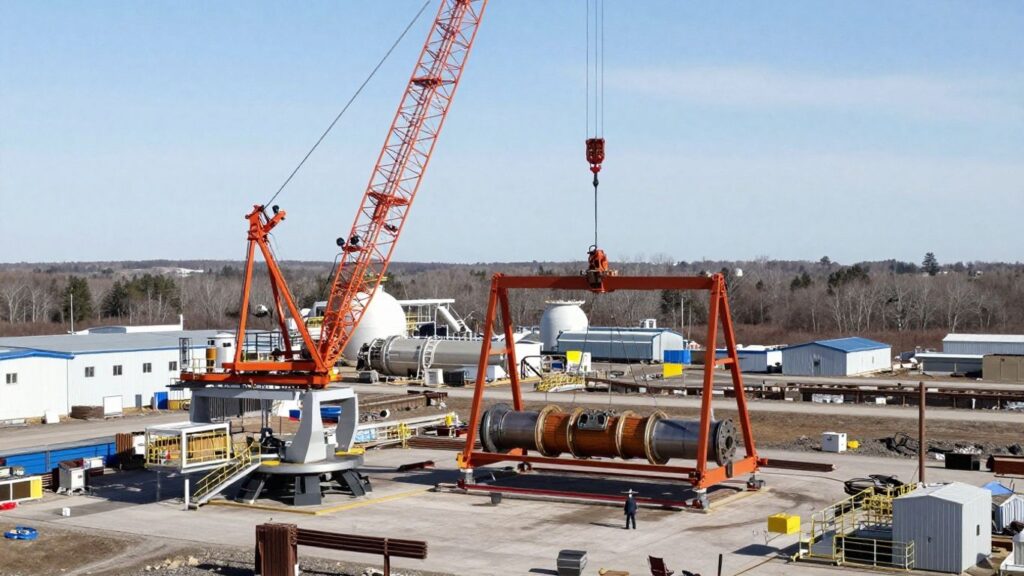
Simultaneously, Google and Amazon are investing in next-generation nuclear technology, particularly small modular reactors (SMRs). These SMRs are designed to be smaller, potentially safer, and faster to build than traditional nuclear plants. Google has partnered with Kairos Power for SMR development, while Amazon is investing in X-energy.
Challenges and Skepticism
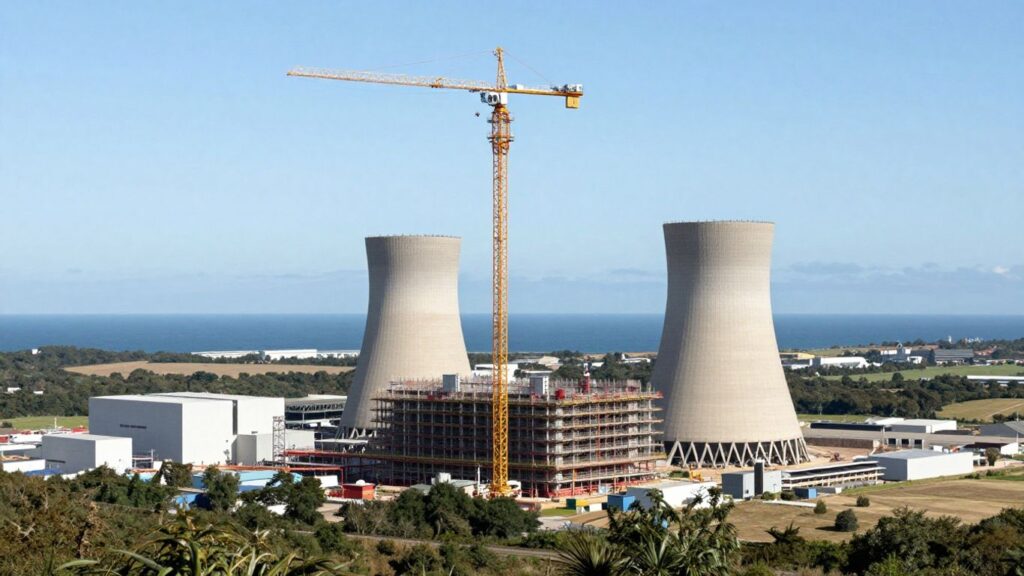
Despite the enthusiasm, significant hurdles remain. The development and deployment of new nuclear technologies, especially SMRs, are still in their early stages, with many designs yet to progress beyond the testing phase. Experts caution that commercial viability and large-scale implementation could be years away, potentially too late to meet the immediate AI energy demands.
Public perception also remains a concern, with historical nuclear accidents like Three Mile Island, Chernobyl, and Fukushima casting a long shadow. Furthermore, the issue of radioactive waste disposal continues to be a complex challenge.
A Multifaceted Energy Future
While nuclear power offers a compelling solution for reliable, carbon-free energy, it is unlikely to be the sole answer. Experts emphasize that a combination of energy sources, including renewables, energy storage, and potentially more efficient AI models, will be necessary to meet future demands. The current investments signal a long-term commitment from Big Tech to explore all viable options in their quest for sustainable power.
Sources
- Why big tech’s nuclear plans could blow up, BBC.
- Big Tech’s big bet on nuclear power, CBS News.
- Can nuclear power really fuel the rise of AI?, MIT Technology Review.
- Big Tech’s big bet on nuclear power to fuel artificial intelligence, CBS News.
- Microsoft, Google and Amazon turn to nuclear energy to fuel the AI boom, CBC.