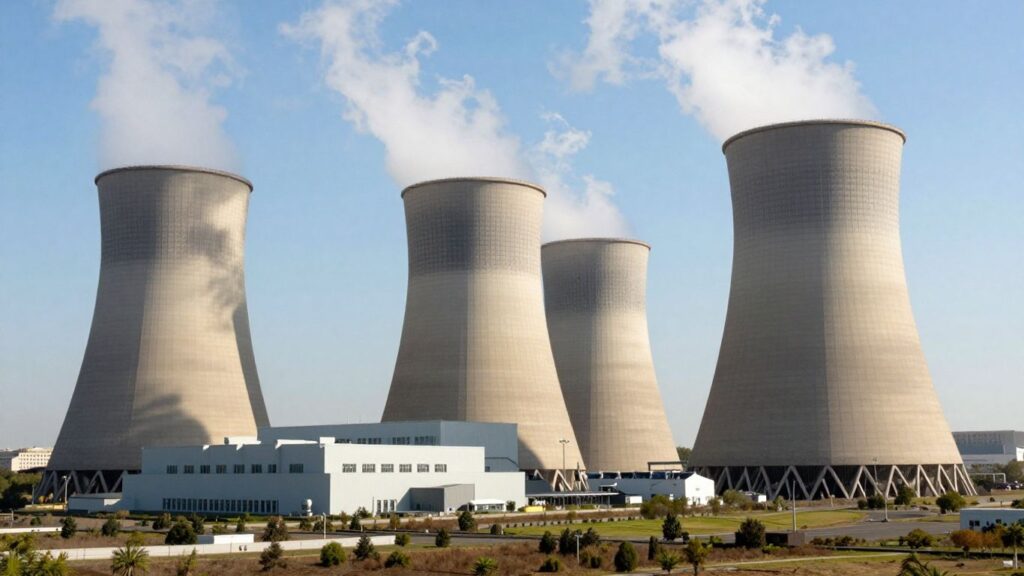

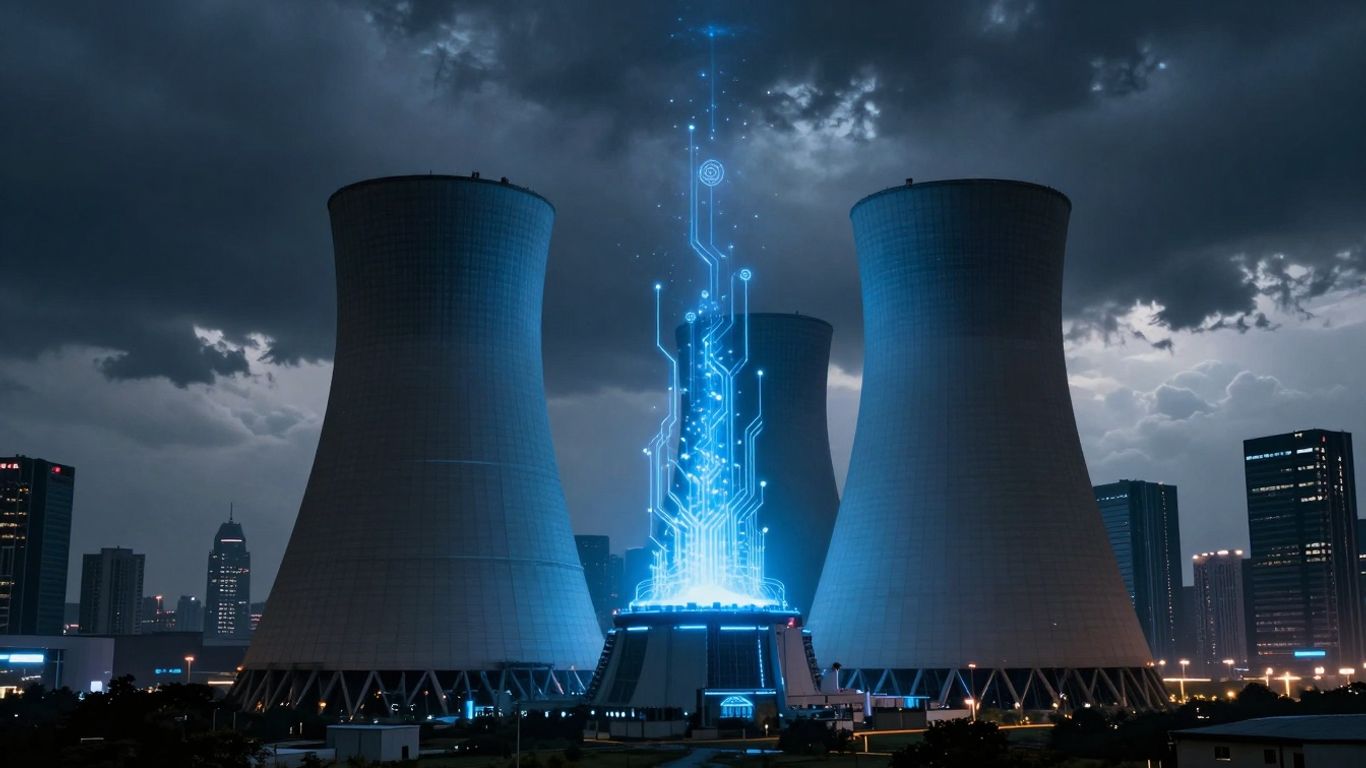
The rapid advancement of artificial intelligence is creating an unprecedented demand for electricity, prompting major tech companies like Amazon, Google, and Microsoft to make significant investments in nuclear power. This strategic shift aims to secure reliable, carbon-free energy sources to fuel their data centers and meet ambitious climate goals, potentially ushering in a new era for the nuclear industry.
Key Takeaways
- Big Tech companies are investing heavily in nuclear power to meet the immense energy needs of AI.
- This involves both supporting existing nuclear plants and investing in next-generation technologies like small modular reactors (SMRs).
- A significant challenge is the timeline mismatch between AI’s rapid growth and the lengthy construction period for new nuclear facilities.
- While nuclear offers a consistent, low-emission power source, concerns remain about cost, waste disposal, and the unproven nature of some advanced reactor designs.
The AI Energy Crunch
The burgeoning field of artificial intelligence is proving to be an enormous energy consumer. Projections suggest that AI could dramatically increase global data center power demand, potentially by as much as 165% by 2030. This surge in energy needs puts pressure on tech giants, many of whom have pledged to achieve net-zero emissions. Traditional renewable sources like solar and wind, while crucial, are intermittent and cannot consistently meet the 24/7 operational demands of data centers.
Big Tech’s Nuclear Investments
In response, tech leaders are turning to nuclear power, which provides a constant, carbon-free energy supply. Microsoft has made headlines with a deal to help revive the Three Mile Island Unit 1 nuclear plant, aiming for operation by 2028. Amazon and Google are investing in startups developing small modular reactors (SMRs), such as Kairos Power and X-energy. These SMRs are envisioned as smaller, potentially faster, and more cost-effective to build than traditional large-scale reactors. Google has a power purchase agreement with Kairos Power for up to 500 megawatts by 2035, with the first reactors expected online by 2030.
Challenges and Skepticism
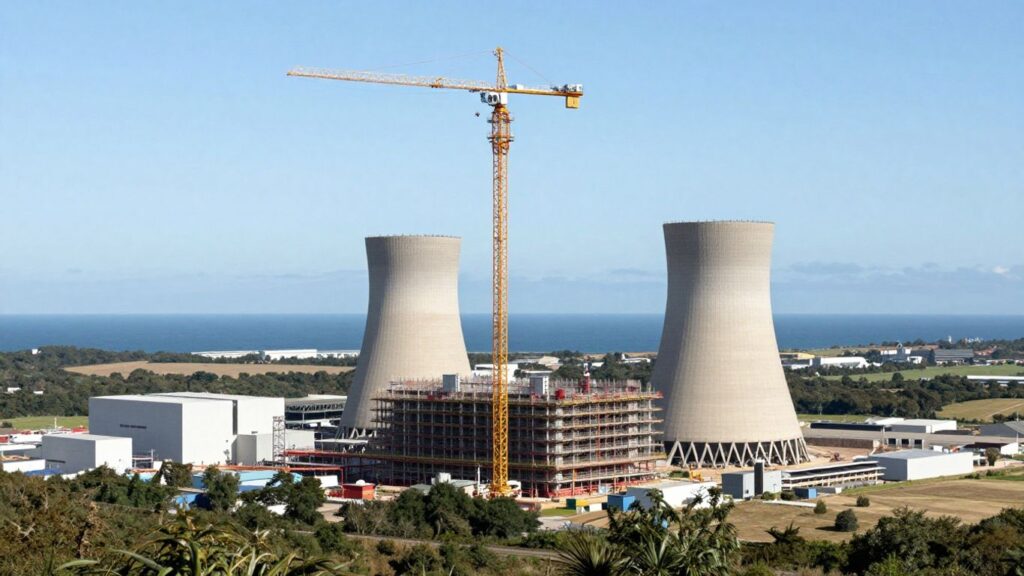
Despite the enthusiasm, significant hurdles remain. A primary concern is the timing: building new nuclear plants can take nearly a decade, while AI’s energy demands are immediate. This mismatch means tech companies will likely continue to rely on fossil fuels in the interim. Furthermore, many advanced reactor designs, particularly SMRs, are still in development and have yet to be commercially deployed, leading to skepticism about their feasibility, cost, and timeline. Experts caution against overconfidence, noting that nuclear projects are notoriously complex and expensive.
A Potential Nuclear Renaissance?
The influx of investment from Big Tech, coupled with bipartisan political support and federal incentives, is fueling discussions about a potential nuclear renaissance. In California, for instance, the energy demands of AI are prompting lawmakers to reconsider the state’s long-standing moratorium on new nuclear plant construction. While challenges persist, the convergence of AI’s energy needs and the nuclear industry’s potential for reliable, clean power suggests a complex but potentially transformative relationship is unfolding.
Sources
- Can nuclear power really fuel the rise of AI?, MIT Technology Review.
- Big Tech’s big bet on nuclear power to fuel artificial intelligence, CBS News.
- Nuclear power could be on the verge of a California comeback, CalMatters.
- Amazon, Google and Microsoft Are Investing in Nuclear Power, The New York Times.