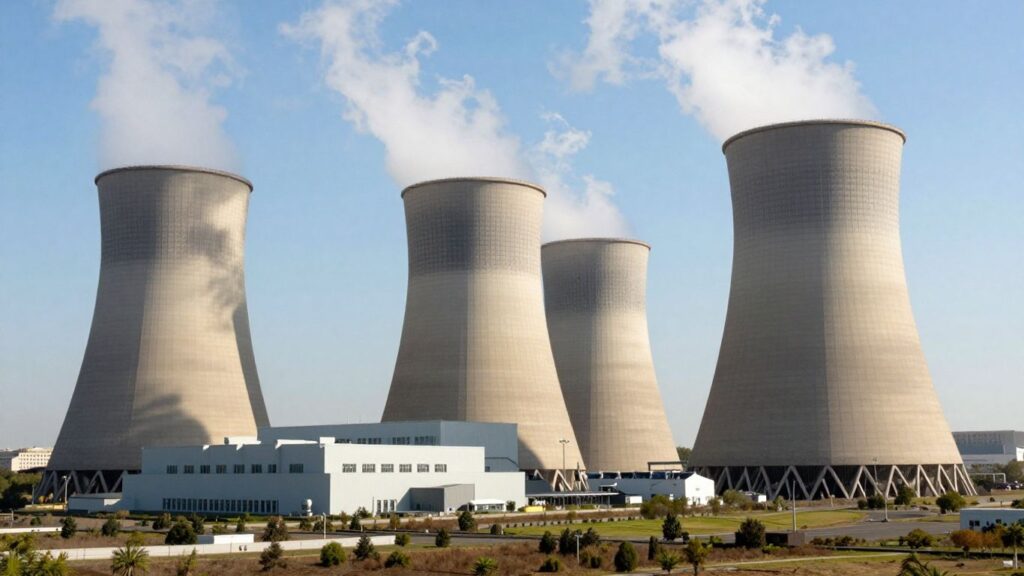

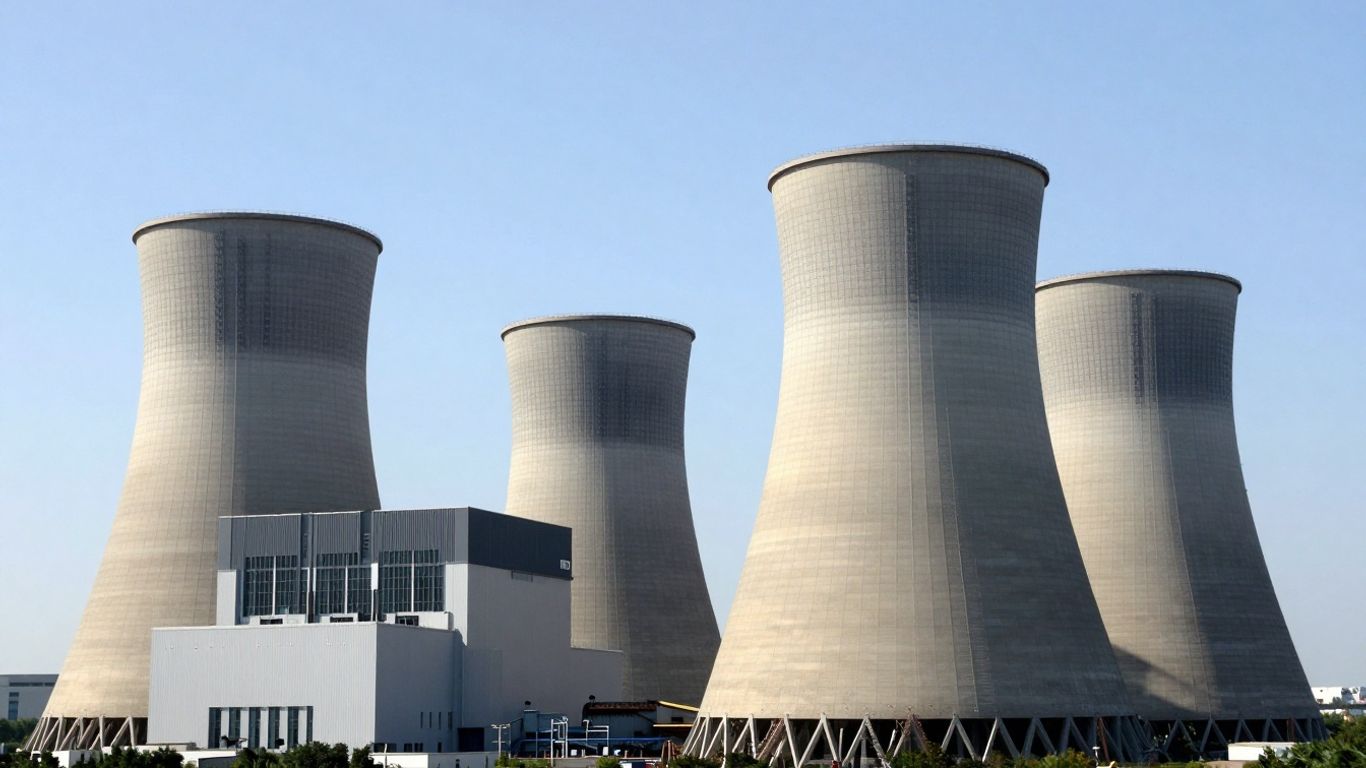
China is rapidly establishing itself as the global leader in nuclear power development, constructing new reactors at an unprecedented pace and surpassing the United States in this critical energy sector. While the U.S. pioneered nuclear technology, China has overcome significant hurdles to build reactors faster and more affordably, positioning itself to dominate the future global nuclear market.
Key Takeaways
- China is building nuclear reactors at a significantly faster rate than the rest of the world combined and is projected to surpass the U.S. in nuclear capacity by 2030.
- While China initially relied on U.S. and French designs, it has mastered the construction process, achieving remarkable speed and cost-efficiency.
- Beyond conventional reactors, China is investing heavily in next-generation nuclear technologies and fusion power, aiming for global leadership in these advanced fields.
- The U.S. faces challenges in catching up, with a slower pace of development, higher costs, and a reliance on private innovation rather than a cohesive national strategy.
China’s Rapid Nuclear Expansion
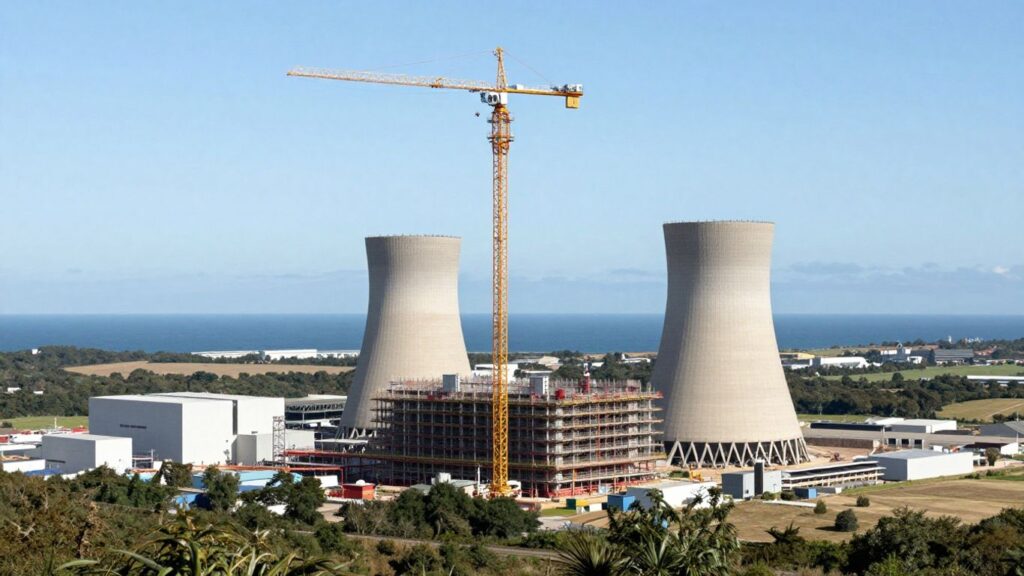
In stark contrast to the U.S., where the construction of new nuclear reactors has been plagued by delays and massive cost overruns—exemplified by the Vogtle plant in Georgia—China has built 13 reactors in a similar timeframe and has 33 more underway. China’s nuclear power capacity is set to exceed that of the United States by 2030. This rapid expansion is driven by a national mandate, heavy government support including low-interest loans, and a streamlined approach to construction and regulation.
Mastering the Construction Process
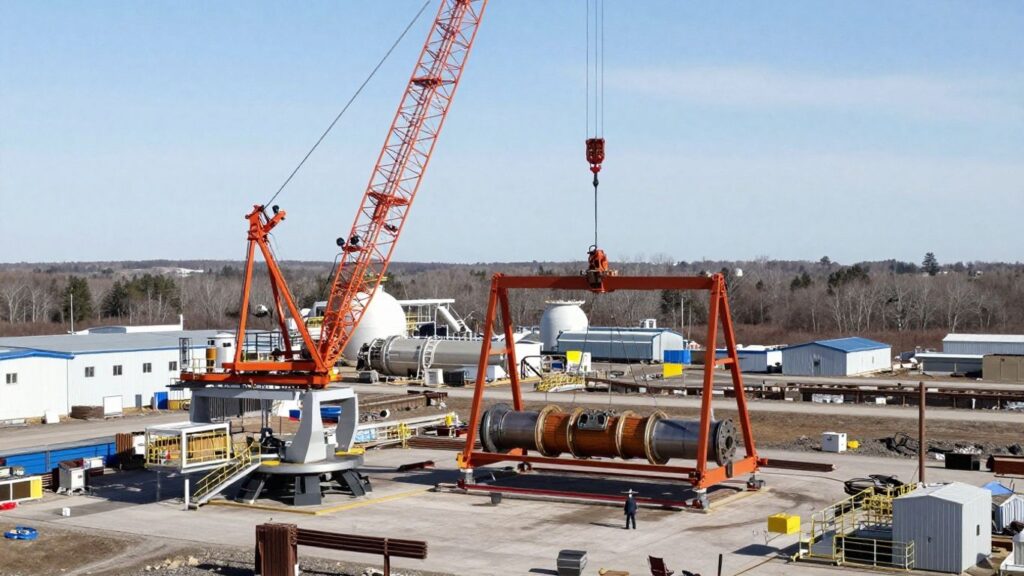
China’s success lies in its ability to build reactors relatively quickly and affordably. While Western nations have struggled with escalating costs and lengthy construction times, China has managed to assemble reactors in as little as five to six years. This efficiency is attributed to building only a handful of reactor types repeatedly, allowing for perfected construction processes, streamlined licensing, and optimized supply chains. The government’s commitment has fostered domestic manufacturing and a skilled workforce, enabling continuous production of essential components.
Innovation in Advanced Nuclear Technologies
China is not only excelling in current nuclear technology but is also pushing the boundaries of innovation. The country has deployed the world’s first fourth-generation nuclear power plant and is actively developing advanced reactor designs, including small modular reactors (SMRs), thorium reactors, and fast breeder reactors. Furthermore, China is making significant investments in fusion energy research, aiming to be at the forefront of this potentially limitless clean energy source.
The U.S. Challenge
The United States, despite its pioneering role in nuclear energy, faces an uphill battle. While there is bipartisan support for nuclear power and a surge of private investment in advanced reactor startups, the U.S. approach is more fragmented. Challenges include regulatory hurdles, a lack of cohesive government strategy, and the loss of domestic manufacturing capabilities for critical components. Experts suggest that the U.S. needs a "whole-of-government" approach, similar to China’s, to regain its competitive edge.
Geopolitical Implications
China’s dominance in nuclear power development has significant geopolitical implications. By becoming a major supplier of nuclear technology, China aims to forge deep, long-term relationships with countries worldwide, expanding its global influence. As concerns about climate change grow and the demand for clean energy increases, nuclear power is becoming a key battleground in the global competition for energy supremacy.
Sources
- China is Outpacing the U.S. on Nuclear Power, an American Invention, The New York Times.
- How Innovative Is China in Nuclear Power?, Information Technology and Innovation Foundation (ITIF).