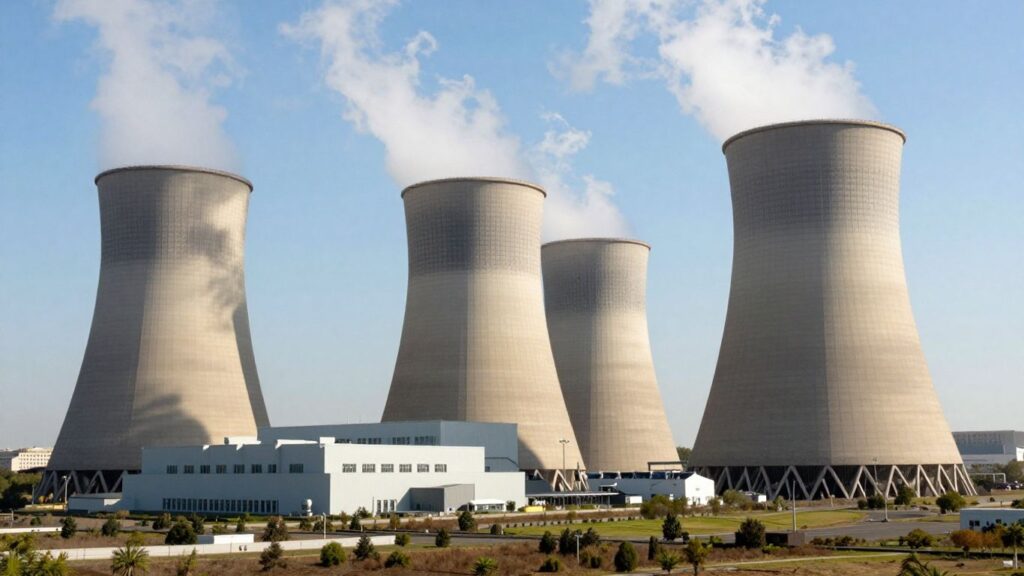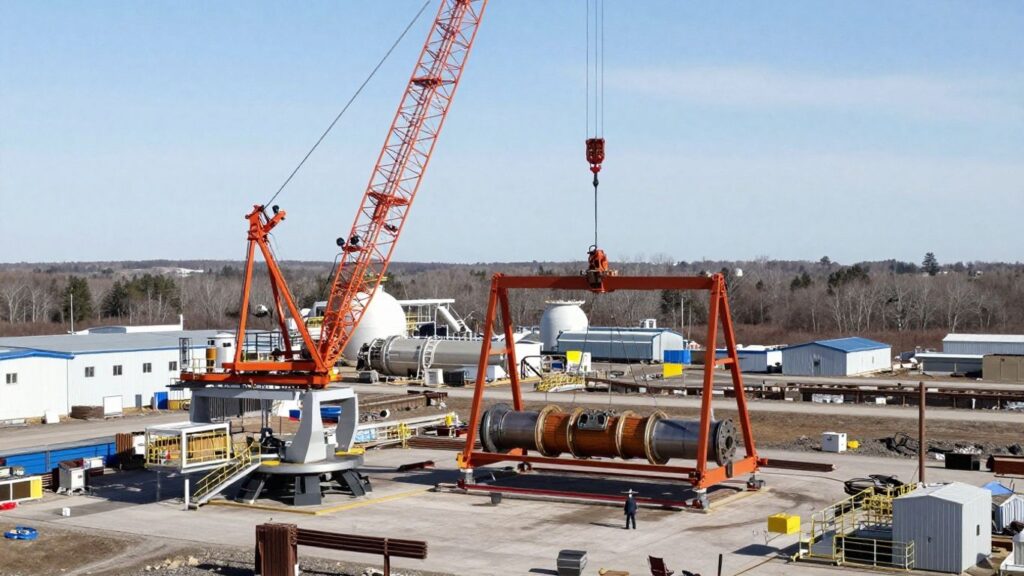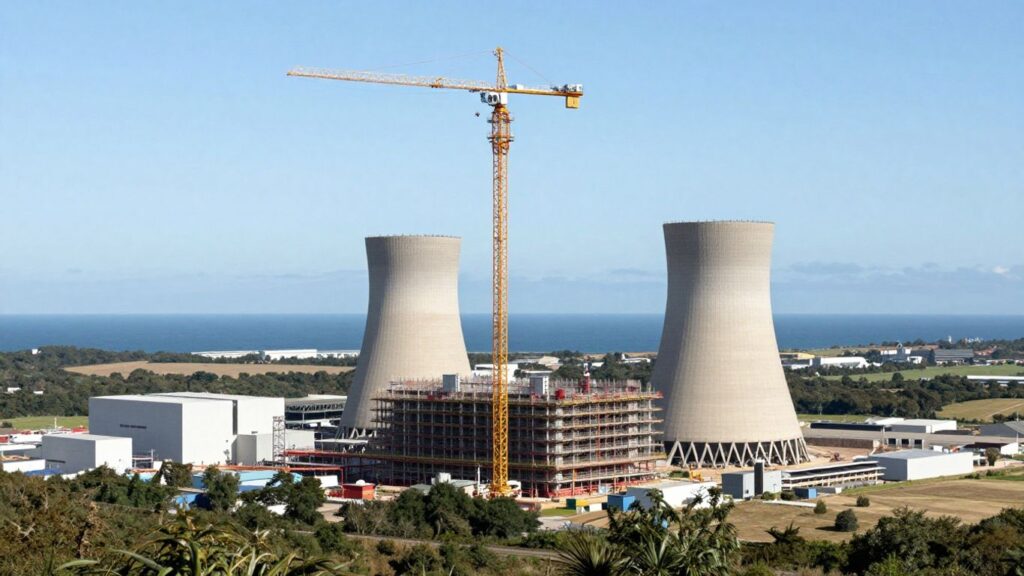


In a significant shift driven by the insatiable energy demands of artificial intelligence, major technology companies like Microsoft, Google, and Amazon are making substantial investments in nuclear power. This move signals a departure from their previous reliance solely on renewables, as they seek a consistent, carbon-free energy source to meet the immense power needs of AI data centers and achieve ambitious climate goals.
Key Takeaways
- AI’s Energy Appetite: The rapid expansion of artificial intelligence requires vast amounts of electricity, straining existing power grids and challenging tech companies’ sustainability commitments.
- Nuclear’s Resurgence: Driven by the need for reliable, 24/7 carbon-free power, tech giants are turning to nuclear energy, both by reviving existing plants and investing in new, advanced reactor designs.
- Small Modular Reactors (SMRs): Companies are backing the development of SMRs, which are smaller, potentially cheaper, and easier to deploy than traditional large-scale nuclear plants, though their commercial viability is still unproven.
- Challenges Remain: Despite the renewed interest, significant hurdles persist, including the high cost and long construction times of nuclear facilities, the challenge of nuclear waste disposal, and regulatory complexities.
The AI Energy Crisis
Artificial intelligence, from powering chatbots like ChatGPT to complex data analysis, is proving to be an enormous energy consumer. Tech companies, which have pledged to reach net-zero emissions, are finding that their investments in wind and solar alone are insufficient to meet the escalating demands of AI infrastructure. This has led them to explore more potent and consistent energy solutions.
Big Tech’s Nuclear Investments
Microsoft has made a notable investment to restart a reactor at the Three Mile Island nuclear plant in Pennsylvania, a site historically significant in the nuclear industry. This move aims to secure a long-term, clean energy supply for its data centers. Similarly, Google and Amazon are investing in the development of small modular reactors (SMRs), a newer generation of nuclear technology.
These SMRs are envisioned as smaller, more adaptable units that can be deployed more quickly and potentially at a lower cost than traditional, large-scale nuclear power plants. Companies like Kairos Power and X-Energy are at the forefront of developing these advanced reactor designs, utilizing innovative fuel sources like pebbles instead of traditional fuel rods.
The Promise and Perils of Nuclear Power
Nuclear power offers a compelling advantage: it provides a constant, reliable source of electricity without emitting greenhouse gases, a critical factor for AI data centers that operate around the clock. Unlike intermittent renewable sources like solar and wind, nuclear power is always available.
However, the path forward is not without its obstacles. Experts caution that SMRs are largely still in the development phase and have not yet been commercially proven. The historical challenges of nuclear power, including the management of radioactive waste and the significant costs and lengthy timelines associated with building and maintaining plants, remain pertinent concerns. Some analysts express skepticism about the tech industry’s ability to navigate these complexities, suggesting a degree of "tech-bro overconfidence."
A Shifting Energy Landscape
The renewed focus on nuclear energy is also influencing policy discussions. In states like California, which has a long-standing moratorium on new nuclear plant construction, there is growing debate about potentially lifting restrictions to accommodate the energy needs of the tech sector and meet climate goals. While some lawmakers are pushing for exemptions for SMRs, others remain cautious due to the inherent challenges of nuclear technology.
As the AI revolution accelerates, the energy sector is undergoing a profound transformation. The significant investments by Big Tech in nuclear power underscore the critical need for clean, reliable energy and highlight the complex choices facing the world in balancing technological advancement with environmental sustainability.
Sources
- Big Tech’s big bet on nuclear power to fuel artificial intelligence, CBS News.
- Meta becomes the latest big tech company turning to nuclear power for AI needs, AP News.
- Big Tech’s big bet on nuclear power, CBS News.
- Amazon, Google and Microsoft Are Investing in Nuclear Power, The New York Times.
- Nuclear power could be on the verge of a California comeback, CalMatters.