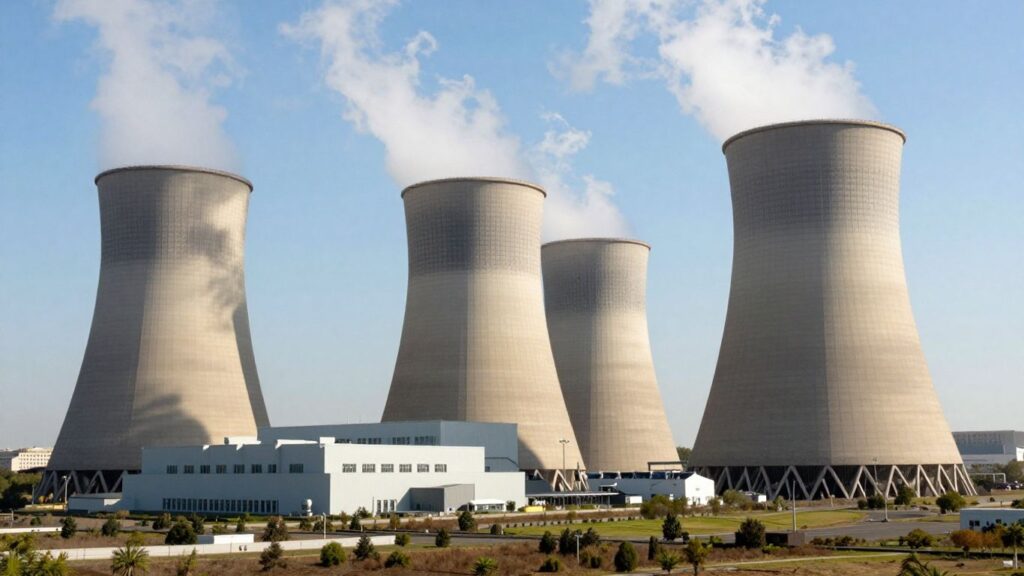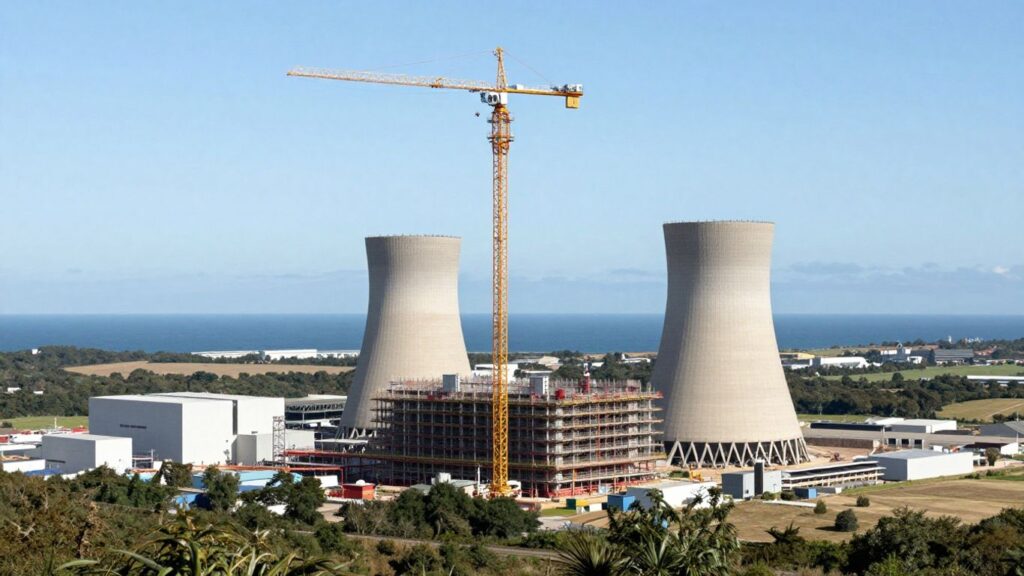

The nuclear energy sector is experiencing a significant resurgence, driven by escalating global electricity demand, the push for decarbonization, and advancements in reactor technology. This renewed interest presents a compelling landscape for investors seeking opportunities in a sector poised for substantial growth.
Key Takeaways
- Rising electricity demand, particularly from AI-driven data centers, is a primary catalyst for nuclear energy’s comeback.
- Small Modular Reactors (SMRs) are emerging as a key innovation, offering lower costs and greater deployment flexibility.
- Investment opportunities span uranium mining, utility companies, and reactor manufacturers.
- Despite historical skepticism, nuclear power boasts a strong safety record and efficient energy return.
The Driving Forces Behind Nuclear’s Comeback
Global electricity demand is on the rise, fueled significantly by the burgeoning needs of AI and data centers. With renewable energy sources facing policy shifts and slower growth, nuclear power is emerging as a crucial component of the energy transition. Countries are increasingly looking to nuclear energy to decarbonize their grids, diversify energy sources amidst geopolitical uncertainties, and meet this growing demand reliably.
The development of Small Modular Reactors (SMRs) is another significant factor. These advanced reactors can be built in locations unsuitable for traditional plants and at a lower initial cost, making nuclear power more accessible and adaptable. Experts believe SMRs could follow a similar growth trajectory to other breakthrough innovations like mobile phones and electric vehicles.
Investment Avenues in the Nuclear Sector
Investors can gain exposure to the nuclear energy renaissance through several avenues. The most direct route is investing in physical uranium, as increased nuclear power generation directly translates to a higher demand for the radioactive metal. Uranium prices have already seen substantial gains since 2019, outperforming other commodities.
Uranium mining companies are also poised to benefit significantly. While exploration and development carry execution risks, established producers often offer more predictable cash flows tied to commodity prices. Key players in this space have demonstrated strong returns in recent years.
Utility companies with substantial nuclear power generation capabilities represent another solid investment. Companies like Constellation Energy, Vistra, and NRG Energy have shown resilient performance, partly due to data centers and tech giants seeking reliable, carbon-free power procurement. However, this sector remains sensitive to macroeconomic factors like interest rates and potential policy changes regarding clean energy tax credits.
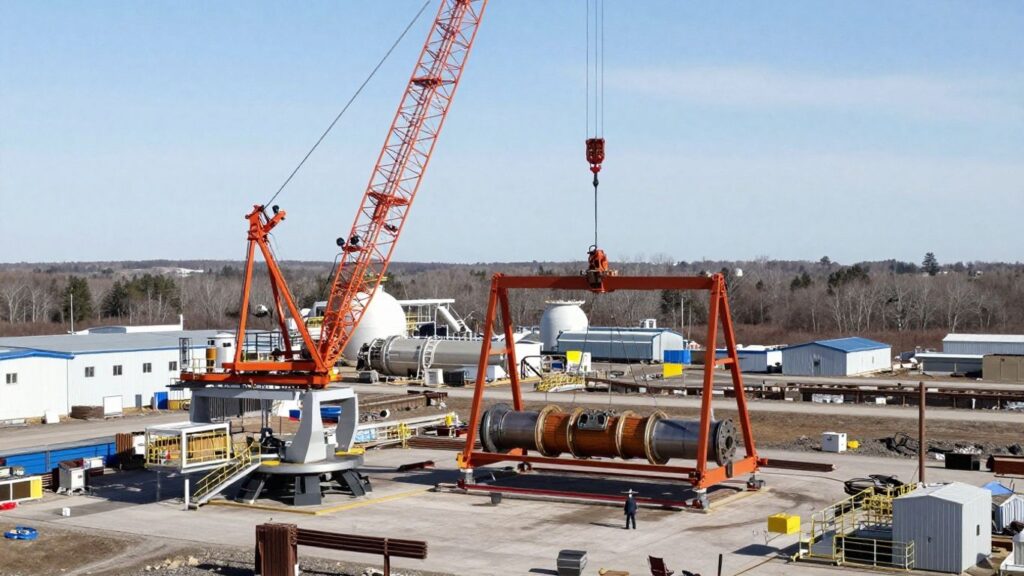
Furthermore, companies involved in nuclear reactor manufacturing, including conglomerates like General Electric and Rolls Royce, offer exposure to the technological advancements in the sector. While pure-play SMR companies like NuScale Power are still in their early, often unprofitable stages, the potential for future growth is significant as more private companies in advanced nuclear technology prepare to go public.
Addressing Concerns and Future Outlook
Despite past skepticism, often linked to incidents like the Fukushima disaster, nuclear power’s safety profile is statistically strong, with a low fatality rate per terawatt-hour of electricity produced compared to fossil fuels. Its low-cost, high-energy return on investment further bolsters its appeal.
Concerns regarding supply chain concentration, weapon proliferation, accidents, and radioactive waste disposal remain valid. However, the global momentum towards decarbonization and energy security suggests that nuclear energy will continue to play an increasingly important role, regardless of public opinion, driven by the pragmatic needs of lawmakers and corporations.
Sources
- Nuclear Energy Stocks on the Rise: Get Exposure in NUKZ, ETF Trends.
- Want to invest in nuclear energy? DBS cites opportunities in mining, utilities stocks, The Business Times.