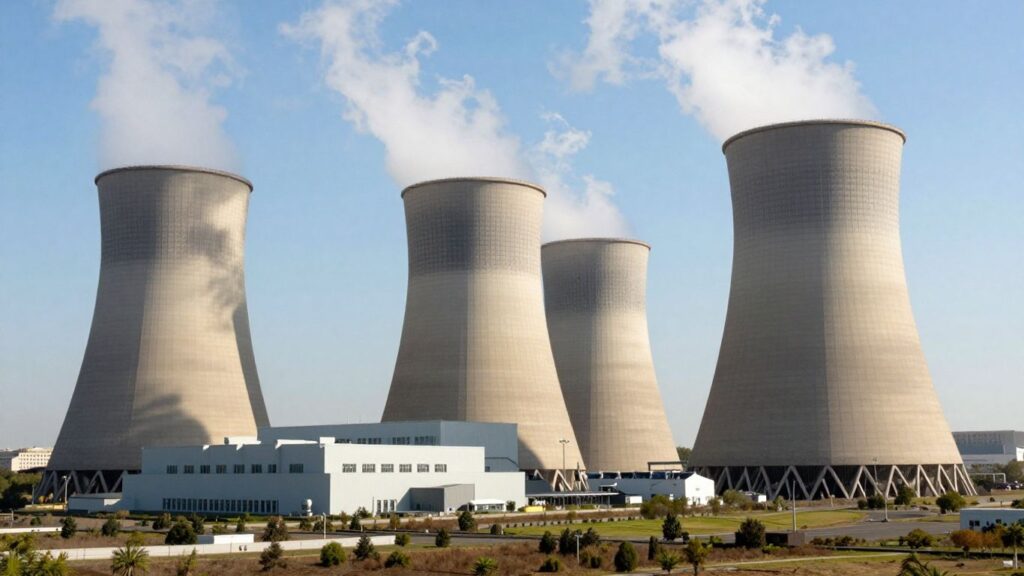

The Trump administration is making a significant commitment to expanding the United States’ nuclear energy capacity, recognizing its crucial role in meeting the escalating energy demands driven by the rapid growth of artificial intelligence and data centers. This strategic shift aims to bolster the nation’s power grid and potentially lower energy costs for consumers.
Key Takeaways
- The Department of Energy is prioritizing its loan program funding for nuclear power projects.
- Big tech companies are actively investing in nuclear power to meet their substantial energy needs.
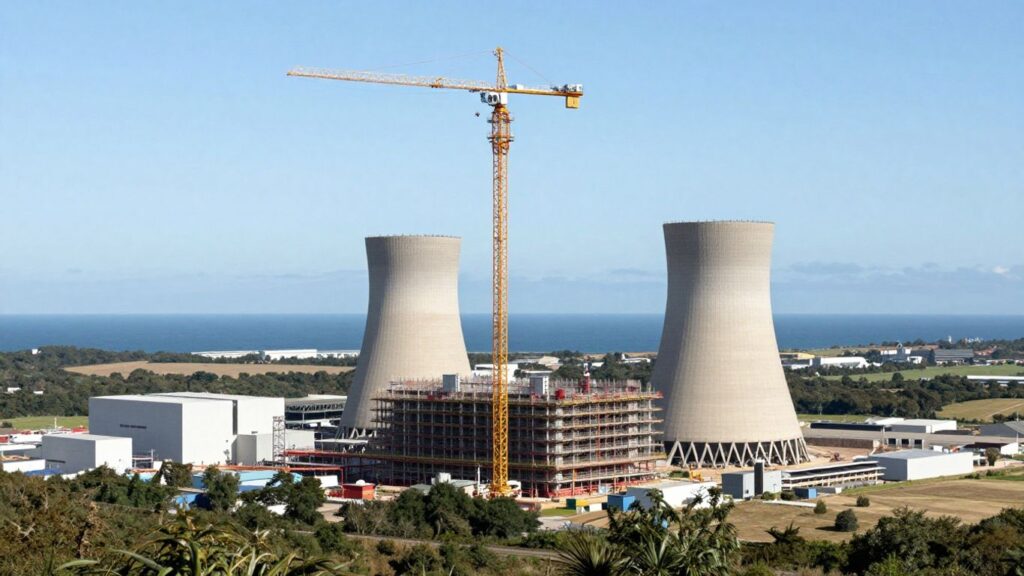
- The administration plans to break ground on 10 new large-scale nuclear reactors by 2030.
The AI Energy Challenge
Artificial intelligence and the proliferation of data centers are placing unprecedented strain on the nation’s power grid. Companies like Meta, Alphabet, and Microsoft, at the forefront of AI development, require vast amounts of energy to power their operations. This immense demand has prompted these tech giants to explore and invest in nuclear power as a reliable and scalable energy source.
Energy Secretary Chris Wright highlighted the critical role of the tech sector, stating, "Big tech is a key part of the piece that’s going to relaunch American nuclear power." He noted that these companies are seeking gigawatts of power and are willing to enter into power purchase agreements and provide equity capital, which is essential for financing new nuclear power plants.
Trump’s "All-Of-The-Above" Energy Strategy
President Donald Trump has identified nuclear power as a cornerstone of his "all-of-the-above" energy strategy, emphasizing its importance for expanding U.S. energy production. Earlier this year, he expressed support for nuclear energy, calling it "a great energy."
In May, President Trump signed an executive order with the ambitious goal of initiating construction on 10 new large-scale nuclear reactors by 2030. This initiative represents the first significant expansion of nuclear capacity in decades. Currently, the U.S. operates 94 nuclear reactors, which supply approximately 19 percent of the nation’s electricity, a figure that has remained consistent since the 1980s.
Future Plans and Challenges
The administration is actively reviewing potential sites for these new reactors, with announcements anticipated in the coming months. A substantial $80 billion agreement with Westinghouse has already been finalized to support the construction of new reactors as part of this expansion plan.
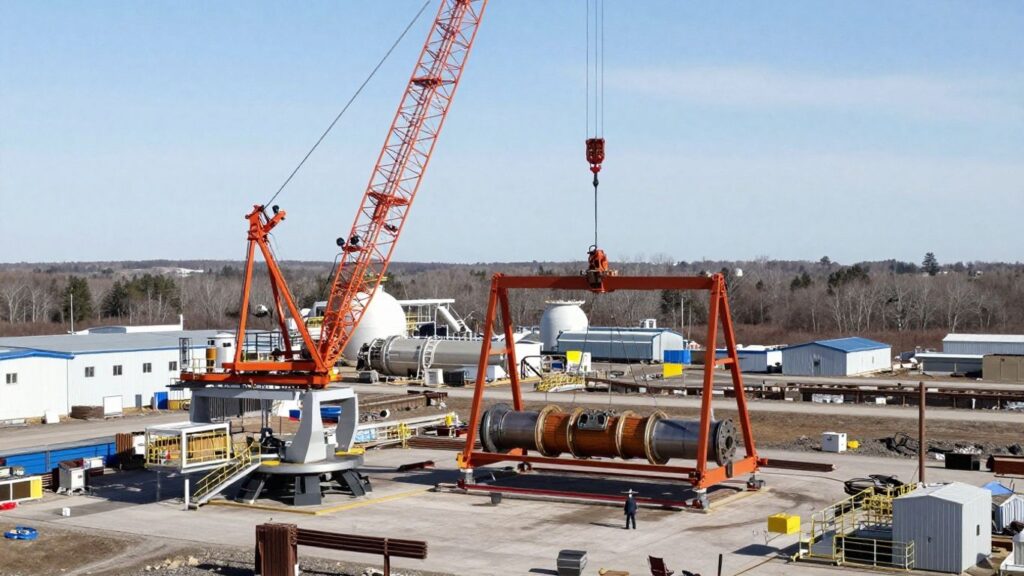
Secretary Wright acknowledged that the primary hurdles to achieving these goals are logistical. "We have President Trump all in. We’re reforming the regulatory regime. We have lots of private capital and government capital to match it," Wright stated. "The problem right now is just execution — having enough workers and supply chain capacity to build these plants as quickly as we’d like."
The long-term vision includes quadrupling U.S. nuclear capacity by 2050, a move the administration believes is vital for maintaining energy independence and supporting the continued advancement of artificial intelligence.