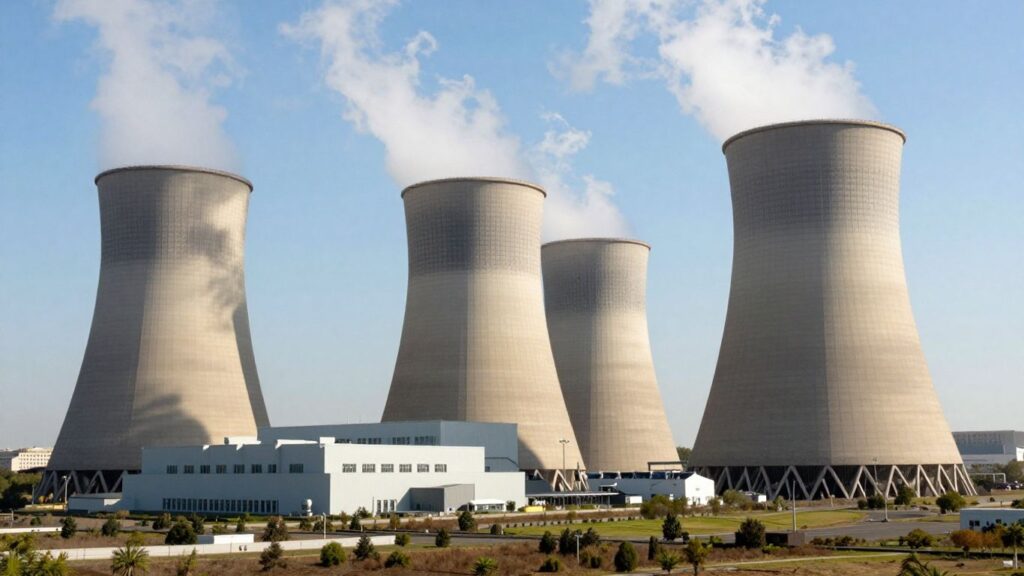


China is rapidly establishing itself as a global leader in nuclear power, constructing reactors at an unprecedented pace and investing heavily in next-generation technologies. This surge positions China to surpass the United States in nuclear capacity by 2030, a significant shift in the global energy landscape.
Key Takeaways
- China is building nuclear reactors significantly faster and more affordably than Western nations.
- The country is not only adopting existing designs but also innovating in advanced reactor technologies.
- The U.S. faces challenges in catching up due to cost overruns, lengthy construction times, and a different approach to innovation.
China’s Rapid Nuclear Expansion
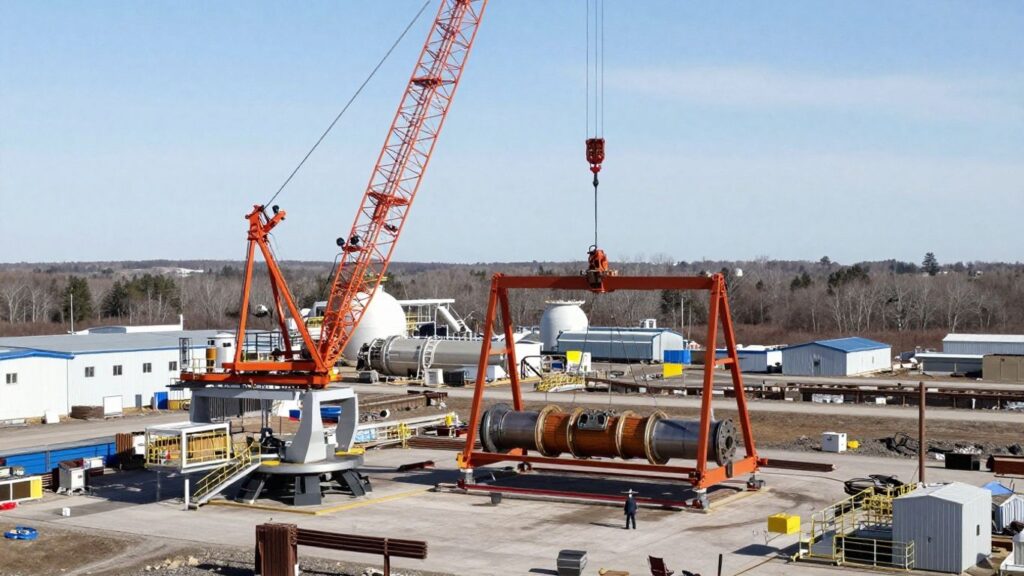
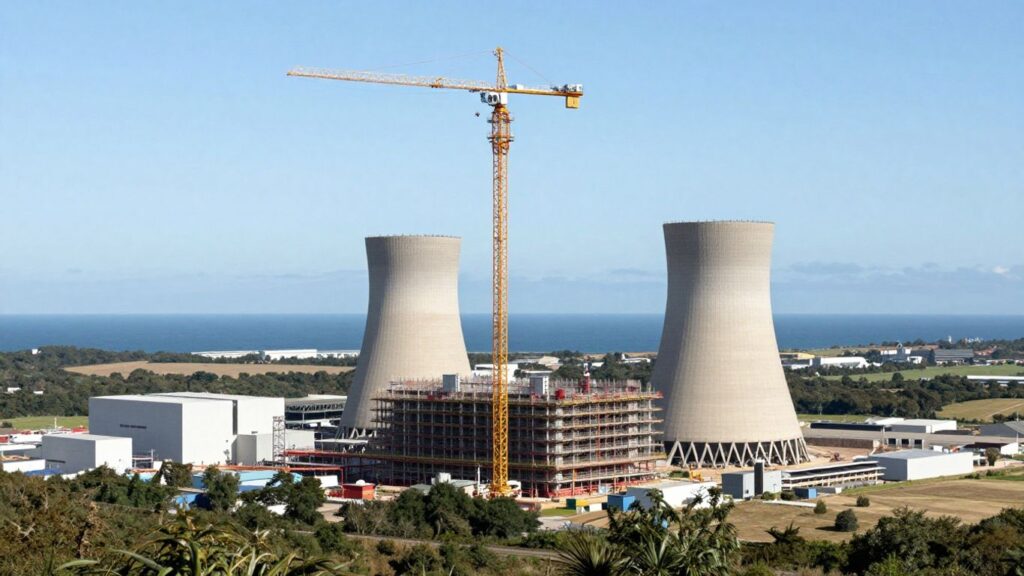
While the U.S. has struggled with costly delays in its few recent nuclear projects, China has successfully built 13 reactors since 2013 and has 33 more under construction. This rapid deployment is attributed to strong government support, streamlined processes, and a strategy of building standardized reactor designs repeatedly. China’s nuclear power capacity is projected to exceed that of the United States by 2030.
Innovation and Technological Advancement
China’s nuclear ambitions extend beyond mere construction. The nation is at the forefront of developing advanced reactor technologies, including the world’s first operational fourth-generation nuclear power plant. Experts suggest China may be 10 to 15 years ahead of the U.S. in deploying these next-generation reactors. Furthermore, China is making significant investments in fusion energy research.
The U.S. Approach and Challenges
The United States, despite pioneering nuclear energy, has faced substantial cost overruns and construction delays, exemplified by the Vogtle plant in Georgia. The U.S. strategy now leans heavily on private innovation and a new generation of smaller, potentially cheaper reactors. However, concerns remain about the U.S.’s ability to scale up production, secure financing, and develop the necessary infrastructure to compete with China’s state-backed, rapid deployment model.
Geopolitical Implications
As energy becomes a key geopolitical battleground, China’s dominance in nuclear power exports could significantly expand its global influence. The U.S. aims to counter this by fostering domestic innovation and potentially exporting its own advanced reactor technologies, but the race is on to see which nation will lead the future of nuclear energy.
Sources
- China is Outpacing the U.S. on Nuclear Power, an American Invention, The New York Times.
- How Innovative Is China in Nuclear Power?, Information Technology and Innovation Foundation (ITIF).