

Recent advancements in nuclear fusion technology are attracting significant investment and sparking widespread optimism for a future powered by clean, virtually limitless energy. Companies are making rapid progress, with plans for the world’s first commercial fusion power plant set to break ground soon, potentially reshaping the global energy landscape.
Key Takeaways
- Commercialization on the Horizon: The first commercial fusion power plant is slated for operation in the early 2030s, with plans for a plant in Virginia already announced.
- Technological Leaps: Innovations, particularly in high-temperature superconducting magnets, are accelerating the development of more compact and efficient fusion reactors.
- Significant Investment: The fusion sector has attracted billions in private funding, with major tech companies showing keen interest in securing future power sources.
- Regulatory Streamlining: New regulatory processes are making it easier to deploy fusion energy compared to traditional nuclear fission.
The Dawn of Commercial Fusion
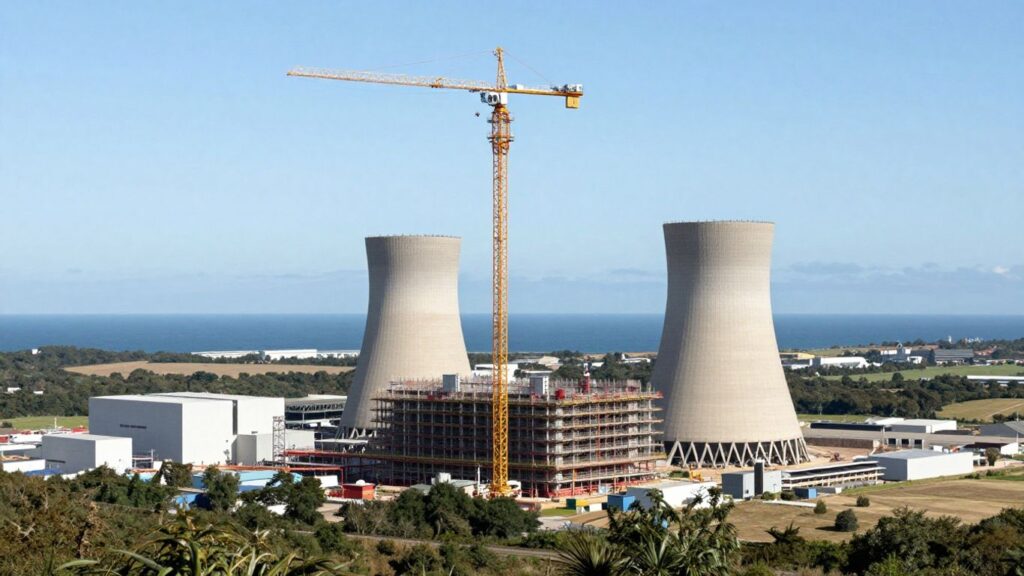
For decades, nuclear fusion has been a distant dream, often relegated to the realm of science fiction. However, recent breakthroughs, including achieving net-positive energy gain in controlled reactions, have propelled the technology into the commercial sphere. Companies like Commonwealth Fusion Systems (CFS), an MIT spinout, are at the forefront, planning to bring the world’s first grid-scale fusion power plant online in the early 2030s. This plant, named ARC, is expected to generate 400 megawatts of clean electricity, enough to power a small city.
Technological Innovations Driving Progress
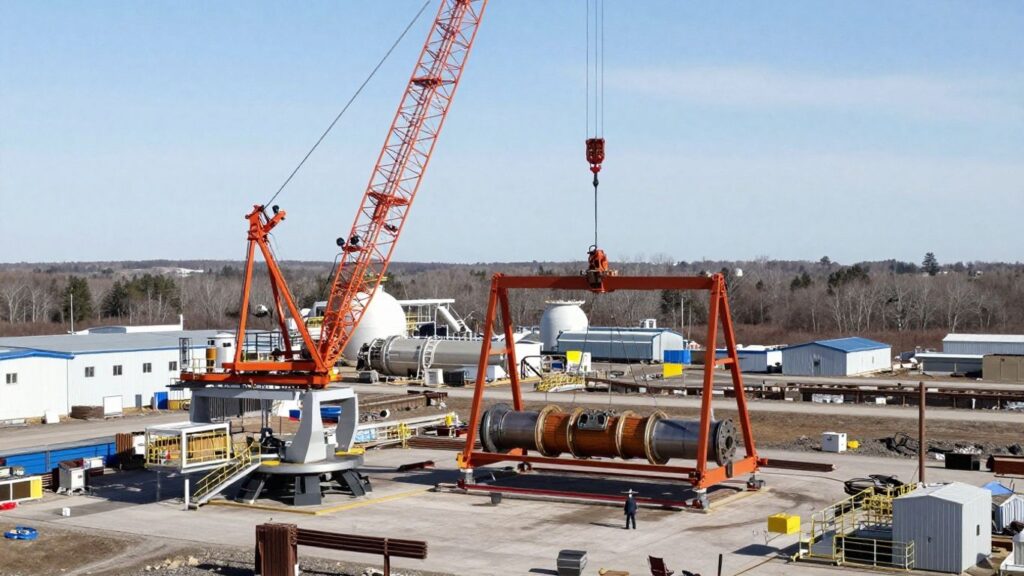
The key to this accelerated progress lies in technological advancements, most notably the development of high-temperature superconducting magnets. These magnets are crucial for confining the superheated plasma needed for fusion reactions. CFS is manufacturing these magnets, enabling more compact and economically viable reactor designs. This innovation has been a game-changer, moving fusion from a purely scientific endeavor to a commercially viable prospect.
Investment and Market Potential
The potential for fusion energy to provide abundant, clean, and reliable power has attracted substantial investment. Private companies in the fusion sector have collectively raised over $7 billion, with CFS alone securing more than $2 billion. Major tech companies, particularly those with energy-intensive data centers for AI, are actively seeking agreements to purchase fusion power once it becomes available. This influx of capital signals strong confidence in the commercial viability of fusion.
Addressing Challenges and Future Outlook
While the path to widespread fusion power is still complex, regulatory hurdles are being addressed. The U.S. Nuclear Regulatory Commission is streamlining the process for regulating fusion reactors, treating them more like less risky particle accelerators. The economic implications are also significant, with projections suggesting fusion could drastically reduce energy costs and boost global GDP. As the world grapples with increasing energy demand and the urgent need for decarbonization, fusion energy offers a compelling solution for a sustainable future.
Sources
- A Nuclear Fusion Breakthrough May Be Closer Than You Think, Time Magazine.
- Is the world ready for the transformational power of fusion?, The World Economic Forum.
- MIT spinout Commonwealth Fusion Systems unveils plans for the world’s first fusion power plant, MIT News.