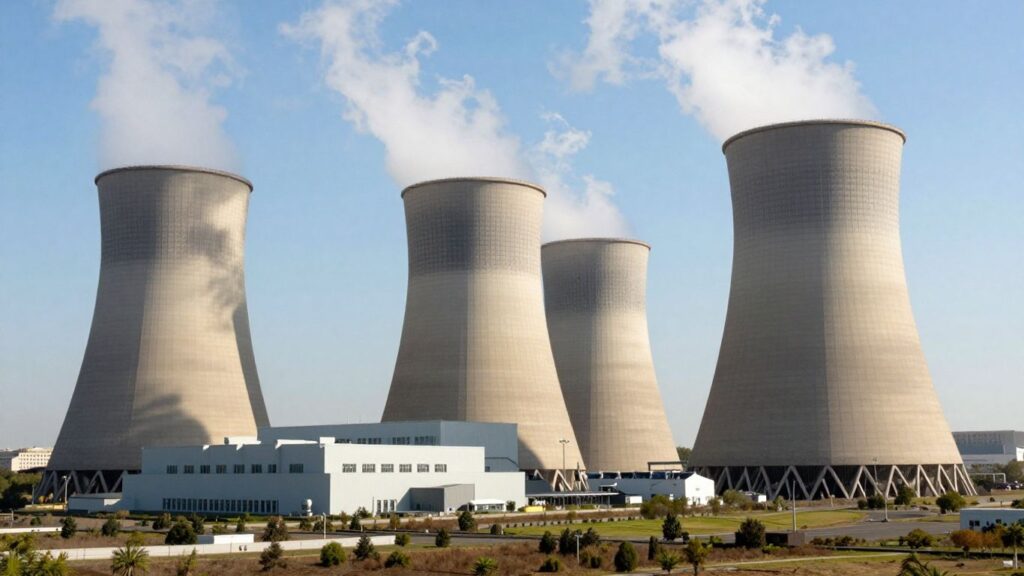

In a significant shift for the energy sector, major technology companies like Microsoft, Google, and Amazon are making substantial investments in nuclear power. This move is driven by the immense and ever-increasing electricity demands of artificial intelligence (AI) and data centers, pushing these tech giants to seek reliable, carbon-free energy sources beyond traditional renewables.
Key Takeaways
- Major tech firms are investing heavily in nuclear power to meet the energy needs of AI and data centers.
- Microsoft is reviving the Three Mile Island nuclear plant, while Google and Amazon are backing small modular reactors (SMRs).
- Nuclear power offers a consistent, emissions-free energy supply crucial for AI operations, unlike intermittent solar and wind.
- Challenges remain, including the cost and timeline for developing new nuclear technologies and public perception.
The AI Energy Crunch
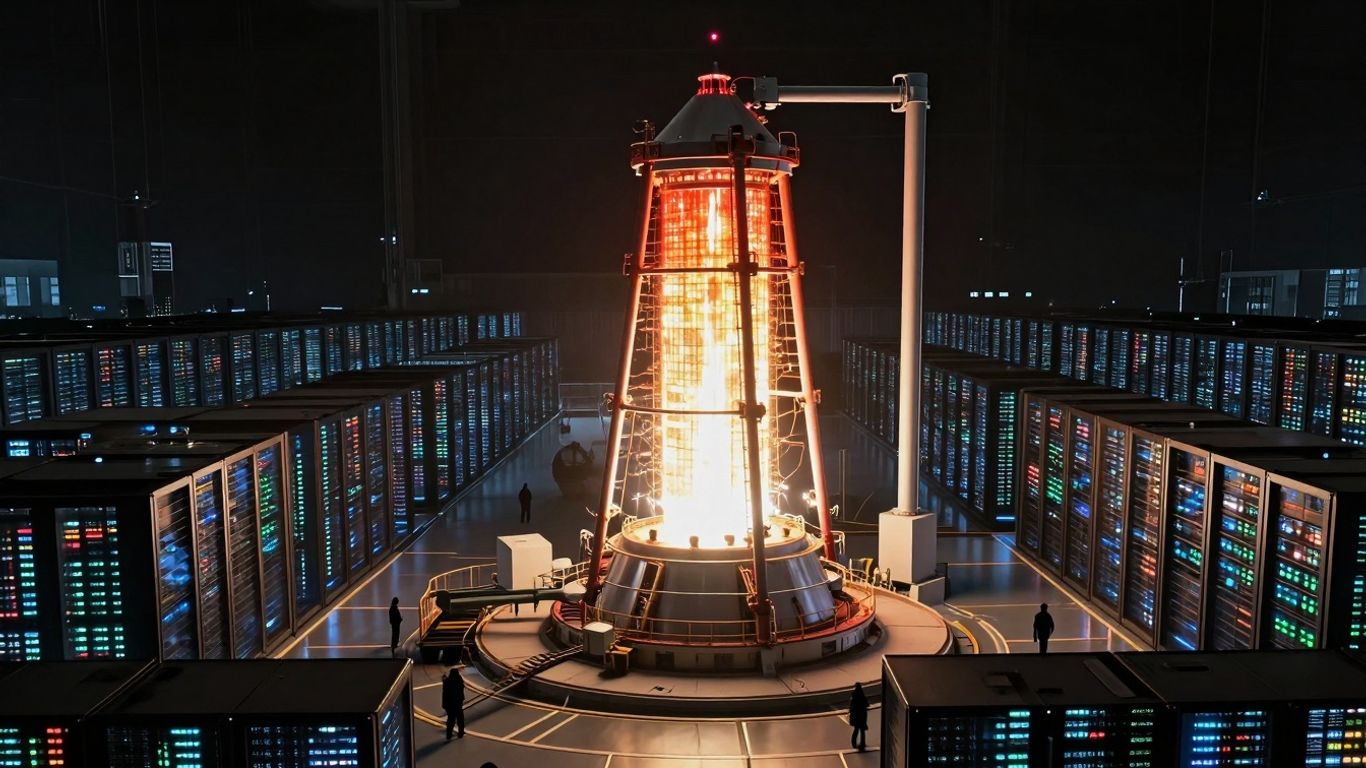
The rapid advancement and widespread adoption of artificial intelligence have created an unprecedented demand for electricity. AI data centers require vast amounts of power to operate, leading tech companies to re-evaluate their energy strategies. While these companies have invested billions in solar and wind energy to meet their climate goals, the continuous and high-volume power needs of AI have made nuclear energy an increasingly attractive option.
Tech Giants Embrace Nuclear Power
Microsoft has announced a $1.6 billion deal to restart the Three Mile Island nuclear plant in Pennsylvania, which will be renamed the Crane Clean Energy Center. This facility, which ceased operations in 2019 due to economic factors, is expected to provide reliable, clean energy for Microsoft’s operations for two decades. Joe Dominguez, CEO of Constellation Energy, which owns the plant, highlighted that reopening an existing facility is significantly faster and cheaper than building a new one.
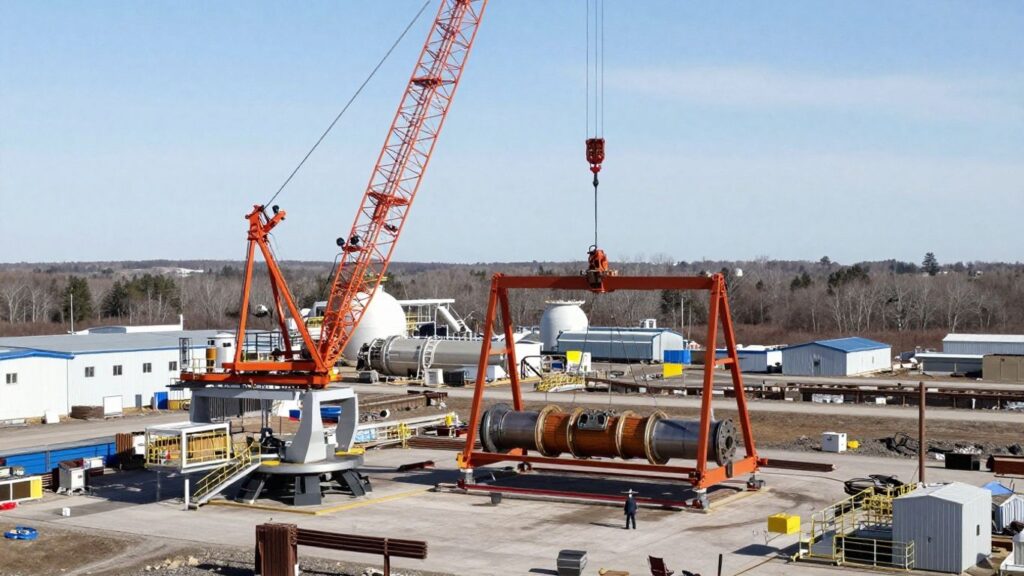
Google and Amazon are focusing on a newer generation of nuclear technology: small modular reactors (SMRs). Google has partnered with Kairos Power to support the development of these smaller, more adaptable reactors, with the first expected online by 2030. Amazon is investing in X-Energy, another SMR developer. SMRs are designed to be more cost-effective and easier to deploy than traditional large-scale nuclear plants.
Advantages and Challenges
Nuclear power’s primary advantage for AI and data centers is its consistent, 24/7 availability, a critical factor that solar and wind power, dependent on weather conditions, cannot always guarantee without extensive energy storage solutions. Furthermore, nuclear energy produces zero greenhouse gas emissions during operation, aligning with the ambitious net-zero commitments of these tech companies.
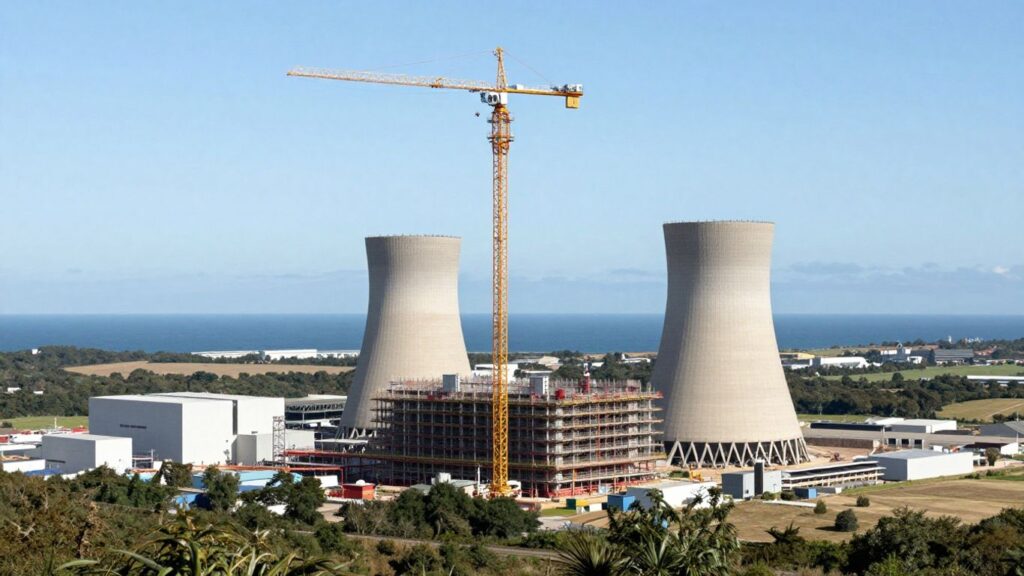
However, the path forward is not without its hurdles. Critics point out that SMRs are still largely in the development phase and have not yet been successfully commercialized, raising concerns about timelines and costs. Sharon Squassoni, a professor at George Washington University, suggests that tech companies might be underestimating the complexity and expense of these projects. Additionally, the legacy of past nuclear accidents, like the one at Three Mile Island, continues to influence public perception and regulatory landscapes.
Despite these challenges, the commitment from Big Tech signals a potential renaissance for nuclear power, driven by the insatiable energy demands of the digital age.
Sources
- Big Tech’s big bet on nuclear power to fuel artificial intelligence, CBS News.
- Google joins Big Tech’s move into nuclear power, and other top energy stories, The World Economic Forum.
- Amazon, Google and Microsoft Are Investing in Nuclear Power, The New York Times.
- Three Mile Island nuclear power plant will reopen for Microsoft : NPR, NPR.
- Will AI’s huge energy demands spur a nuclear renaissance?, Nature.