
The United Kingdom is embarking on a significant expansion of its nuclear power capabilities, signaling a new era for clean energy. The government has given the final go-ahead for the multi-billion-pound Sizewell C project and is paving the way for the development of Small Modular Reactors (SMRs) across the country, aiming to bolster energy security and drive economic growth.
Key Takeaways
- The UK government has approved the Sizewell C nuclear power project, a significant investment in clean, homegrown energy.
- Plans are advancing for the development of Small Modular Reactors (SMRs), with North Wales set to host the UK’s first.
- A new UK-US deal aims to accelerate the construction of nuclear power plants and enhance energy security.
- Regulatory reforms are being implemented to streamline the planning and approval process for nuclear projects.
Sizewell C Gets The Green Light
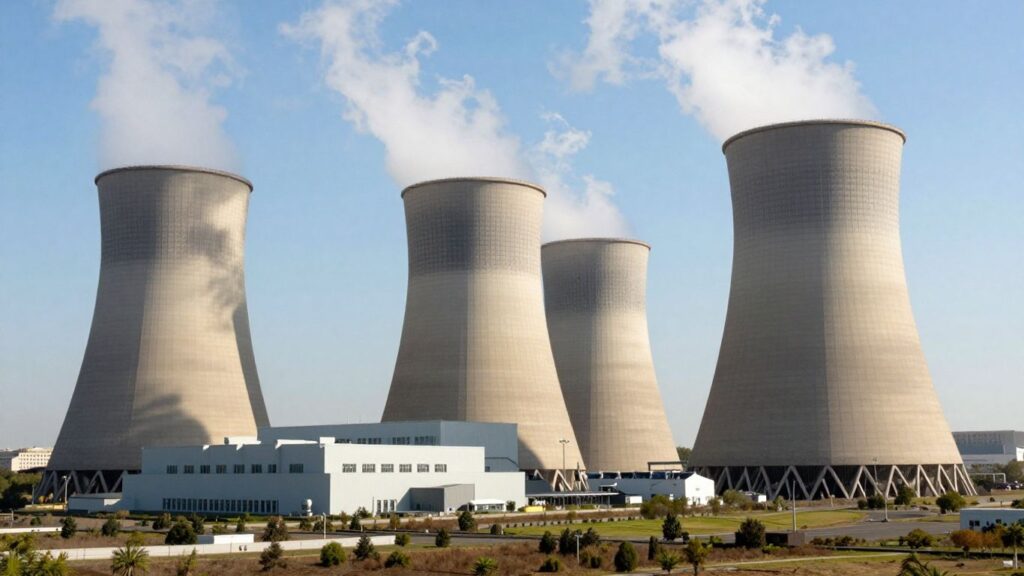
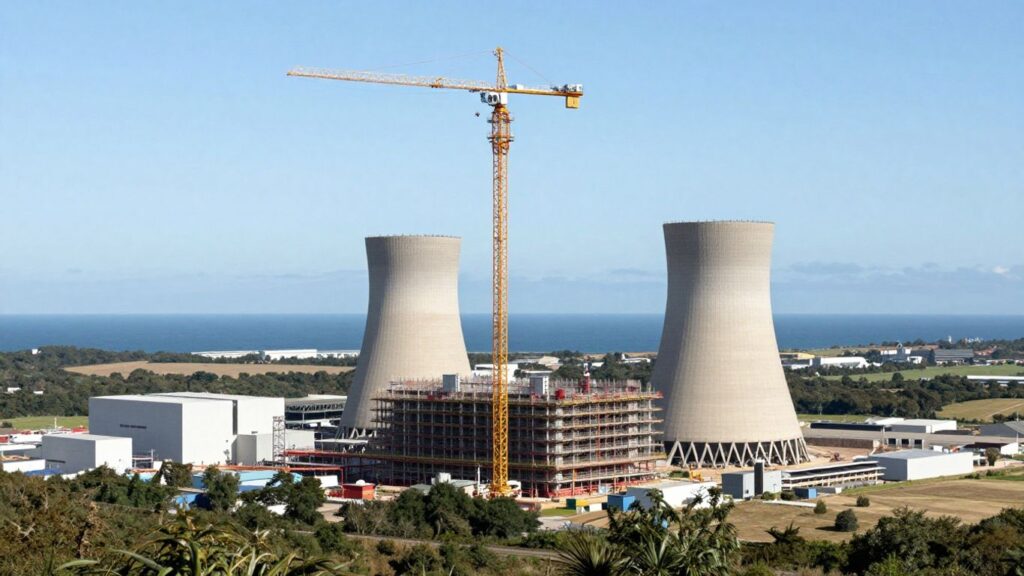
The government has officially approved the Sizewell C project, marking a pivotal moment for the UK’s energy strategy. This decision signifies a substantial public investment in clean energy, projected to provide power for approximately six million homes and create around 10,000 jobs at its peak construction phase. The project is expected to deliver significant savings to the electricity system, estimated at £2 billion annually once operational, ultimately contributing to lower consumer bills.
The government will become the largest shareholder in Sizewell C, alongside private investors such as EDF, Centrica, La Caisse, and Amber Infrastructure. This collaborative approach aims to deliver the project at a lower cost than its predecessor, Hinkley Point C, by leveraging lessons learned and a standardized design.
Pioneering Small Modular Reactors (SMRs)
In parallel with the Sizewell C development, the UK is positioning itself as a leader in Small Modular Reactor (SMR) technology. Wylfa on Anglesey in North Wales has been selected as the site for the UK’s first SMR nuclear power station. This initiative is anticipated to be the most significant industrial investment in North Wales for a generation, promising thousands of new jobs and substantial investment.
These SMRs, designed by Rolls-Royce SMR, are smaller and quicker to build than traditional nuclear reactors. The government is backing this venture through Great British Energy-Nuclear, aiming to establish a sovereign capability with global export potential. Further efforts are underway to identify additional sites for potential future large-scale reactor projects across the UK.
UK-US Nuclear Partnership
A landmark agreement between the UK and the US is set to accelerate the development and construction of new nuclear power plants in both nations. This collaboration aims to streamline regulatory processes, potentially halving the time it takes to license new nuclear projects. The deal is expected to unlock billions in private investment and create thousands of jobs, reinforcing energy security and reducing reliance on Russian nuclear materials.
Several commercial deals have been announced as part of this partnership, involving companies like X-Energy, Centrica, Holtec, EDF, and Rolls-Royce, focusing on various advanced reactor technologies and fuel supply.
Streamlining Nuclear Development
To facilitate this nuclear expansion, the UK government is overhauling planning rules and regulations. Archaic regulations are being removed to allow for the construction of SMRs and other advanced nuclear technologies at a wider range of sites beyond the previously designated eight. The government is also establishing a Nuclear Regulatory Taskforce to improve regulatory efficiency and align with international partners, aiming to make the UK a more attractive destination for nuclear investment.
These reforms are designed to overcome historical delays and red tape that have hindered nuclear development in the UK, ensuring the country can compete globally in the race for clean, affordable, and independent energy.