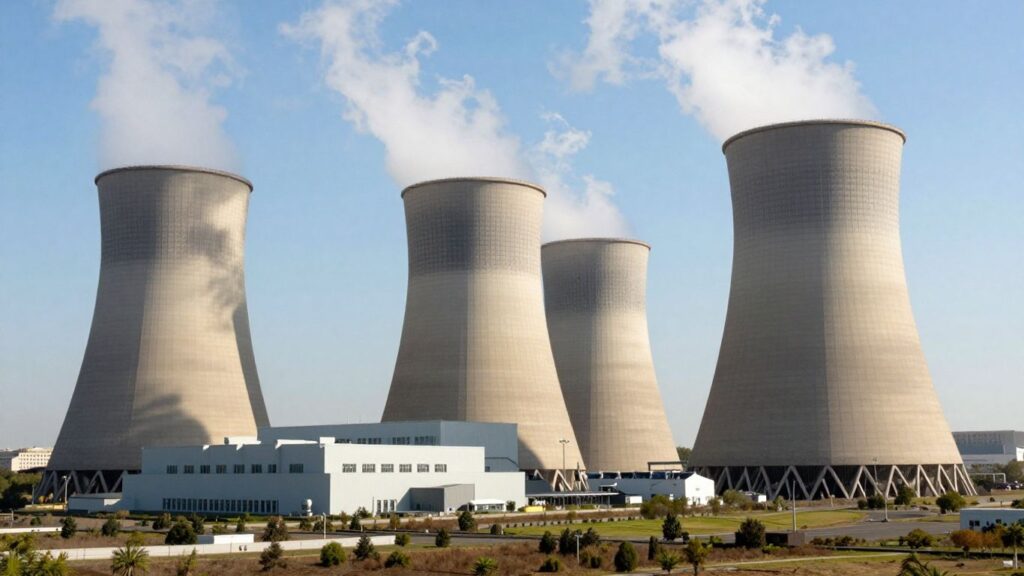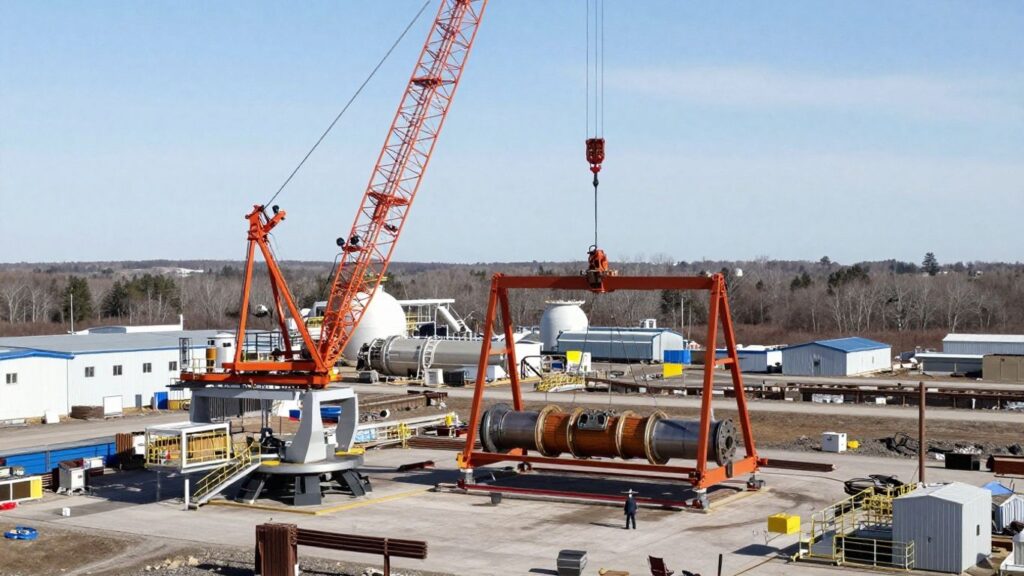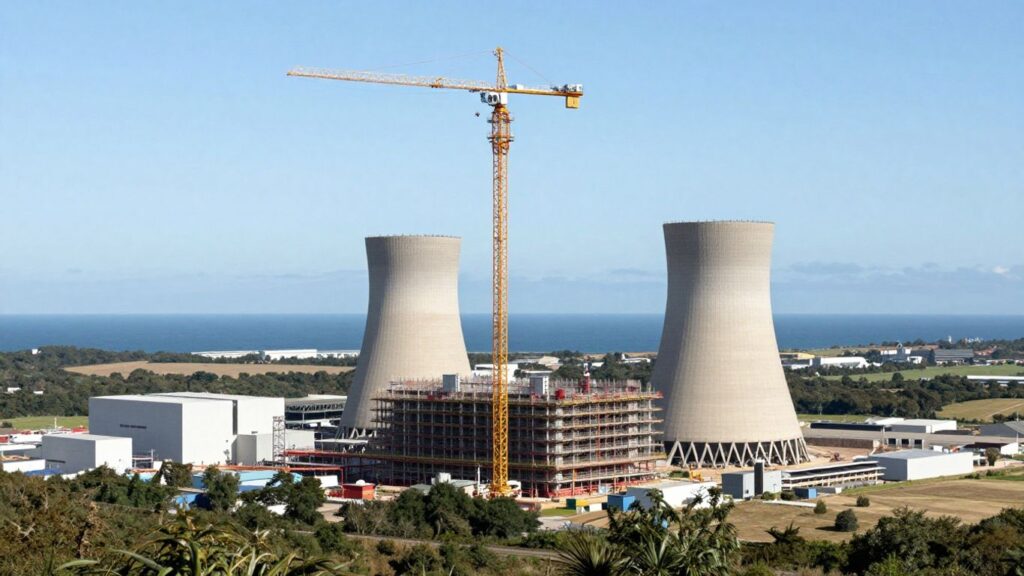

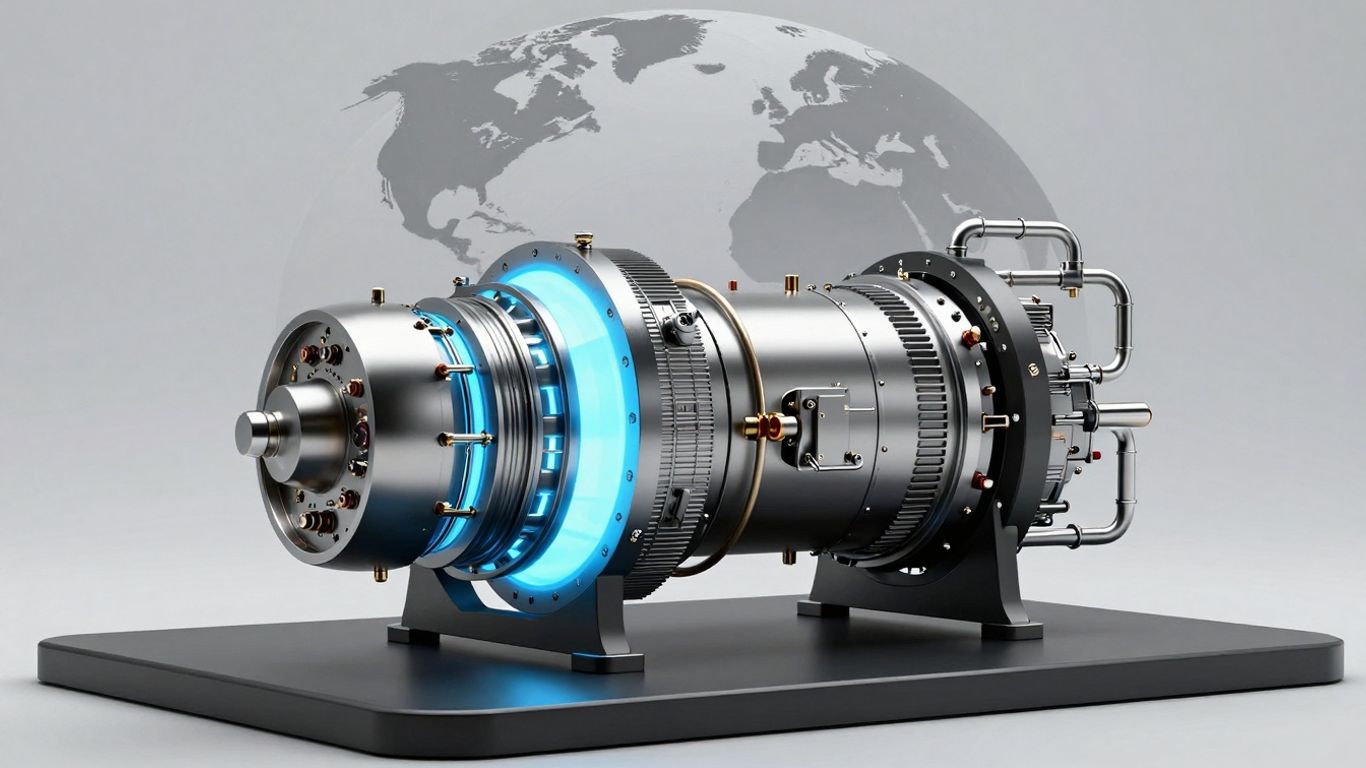
The global energy landscape is witnessing a significant shift with the rapid advancement and investment in Small Modular Reactors (SMRs). These next-generation nuclear technologies promise cleaner, more secure, and potentially more affordable energy, positioning them as a crucial component in the transition to net-zero emissions. Governments and private entities worldwide are backing SMRs, signaling a new era for nuclear power.
Key Takeaways
- Governments in the UK and Ontario, Canada, are leading the charge in deploying the first SMRs.
- Major corporations like Google are investing in SMR technology for reliable, carbon-free power.
- Companies like Rolls-Royce are developing factory-built SMRs designed for easier financing and deployment.
- The development of SMRs is expected to create thousands of jobs and stimulate economic growth.
Global Push for SMR Deployment
The United Kingdom is making significant strides, with North Wales selected to host the UK’s first small modular reactor nuclear power station at Wylfa. This project, spearheaded by Great British Energy-Nuclear and designed by Rolls-Royce SMR, is anticipated to create up to 3,000 jobs and attract billions in investment. The initiative is part of the UK’s broader strategy to achieve energy independence and become a clean energy superpower.
Similarly, Ontario, Canada, is positioning itself at the forefront of SMR development, aiming to build the first SMR in the G7. This move underscores a growing international recognition of SMRs’ potential to contribute to clean energy goals.
Corporate Investment and Innovation
Tech giants are also recognizing the value of SMRs. Google has signed a groundbreaking corporate agreement with Kairos Power to purchase nuclear energy from multiple small modular reactors. This deal aims to bring Kairos Power’s first SMR online by 2030, providing up to 500 MW of 24/7 carbon-free power to U.S. electricity grids. This investment highlights the critical role of advanced nuclear energy in supporting energy-intensive technologies like AI and achieving net-zero targets.
Rolls-Royce is a key player in the SMR space, focusing on a factory-built, commoditized approach to make their SMRs more financeable. Their SMR power station is designed to generate 470MW of low-carbon energy, capable of providing consistent baseload power for at least 60 years. This approach aims to attract private capital and reduce construction risks.
Economic and Environmental Impact
The development and deployment of SMRs are expected to have substantial economic benefits. The UK government anticipates that the Wylfa project alone will support thousands of good jobs and billions in infrastructure investment. Beyond job creation, SMRs offer a path to energy security and reduced reliance on fossil fuels. Their smaller footprint compared to traditional nuclear plants also minimizes local environmental impacts.
While companies like NANO Nuclear Energy are exploring microreactor technology for specific applications like data centers, the broader trend points towards SMRs as a significant contributor to future energy needs. The focus on modularization and factory production is key to reducing costs, accelerating deployment, and ensuring the long-term viability of nuclear energy in the global clean energy mix.
Sources
- Ontario Newsroom, Ontario Newsroom.
- North Wales to pioneer UK’s first small modular reactors, GOV.UK.
- Google signs advanced nuclear clean energy agreement with Kairos Power, Google Blog.
- Small Modular Reactors | Rolls-Royce, Rolls-Royce plc.
- [Assessing Valuation After New Microreactor Deals and FY 2025 Webcast Update Plans
- Simply Wall St News](https://simplywall.st/stocks/us/capital-goods/nasdaq-nne/nano-nuclear-energy/news/nano-nuclear-energy-nne-assessing-valuation-after-new-micror), Simply Wall Street.