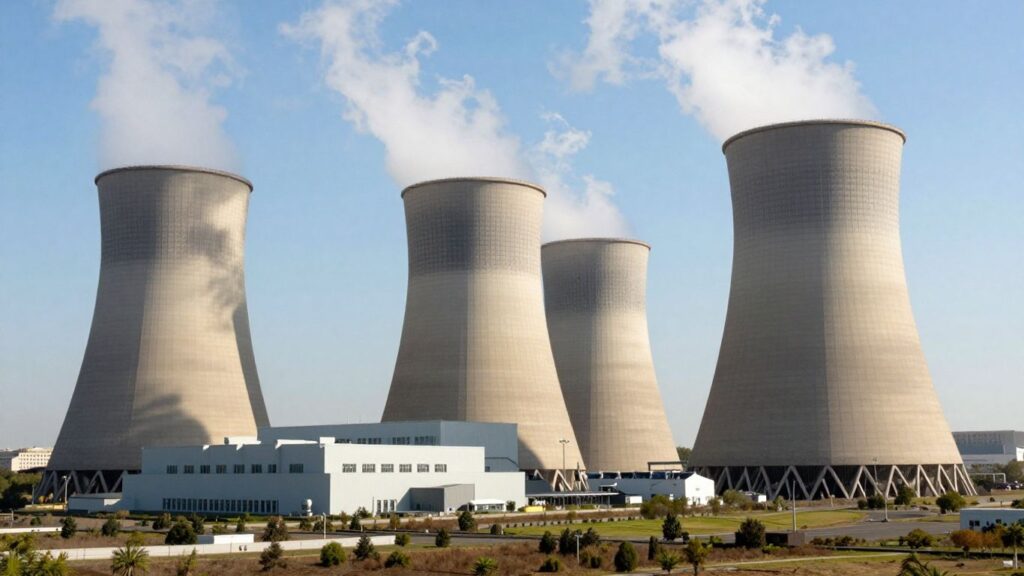

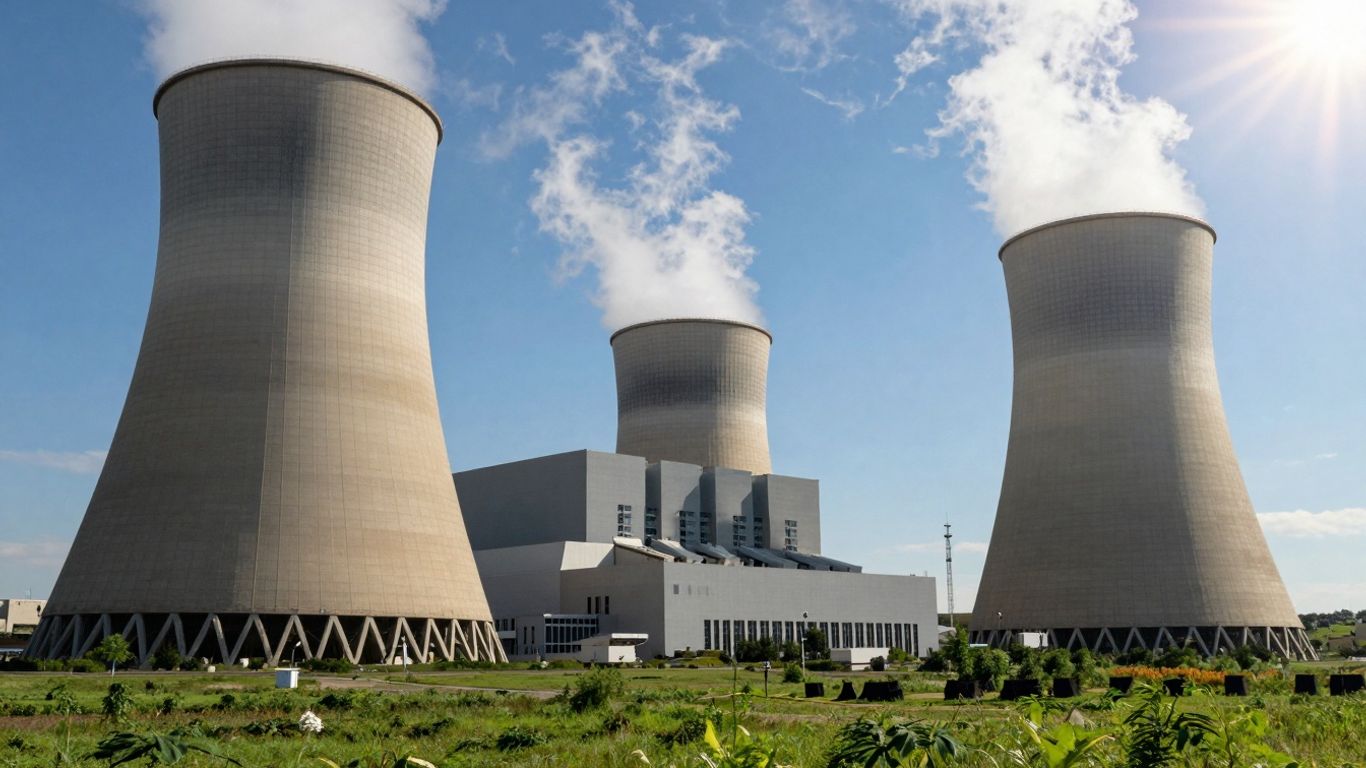
The United States has set ambitious targets to significantly expand its nuclear energy capacity, aiming to triple it by 2050. This strategic push is part of a broader effort to combat climate change, enhance energy security, and foster economic growth. The initiative involves substantial investments, streamlined regulations, and a focus on developing new reactor technologies.
Key Takeaways
- The U.S. aims to add 35 GW of new nuclear capacity by 2035 and achieve a sustained pace of 15 GW per year by 2040.
- New targets align with global pledges to triple nuclear capacity by 2050 and secure a nuclear fuel supply chain independent of Russia.
- The UK is also overhauling its planning rules to accelerate the construction of nuclear power plants, including Small Modular Reactors (SMRs).
Driving Nuclear Expansion
The U.S. Department of Energy estimates that an additional 200 gigawatts (GW) of new nuclear capacity will be necessary to meet future power demands and achieve net-zero emissions by 2050. To support this goal, the U.S. has established new deployment targets, including adding 35 GW of new capacity by 2035 and reaching a pace of 15 GW annually by 2040. These targets are underpinned by the Bipartisan Infrastructure Law and the Inflation Reduction Act, which provide crucial investments and tax incentives. These legislative actions are encouraging communities to reconsider nuclear power as an affordable option for reducing emissions, boosting the economy, and strengthening national security.
New Technologies and Strategies
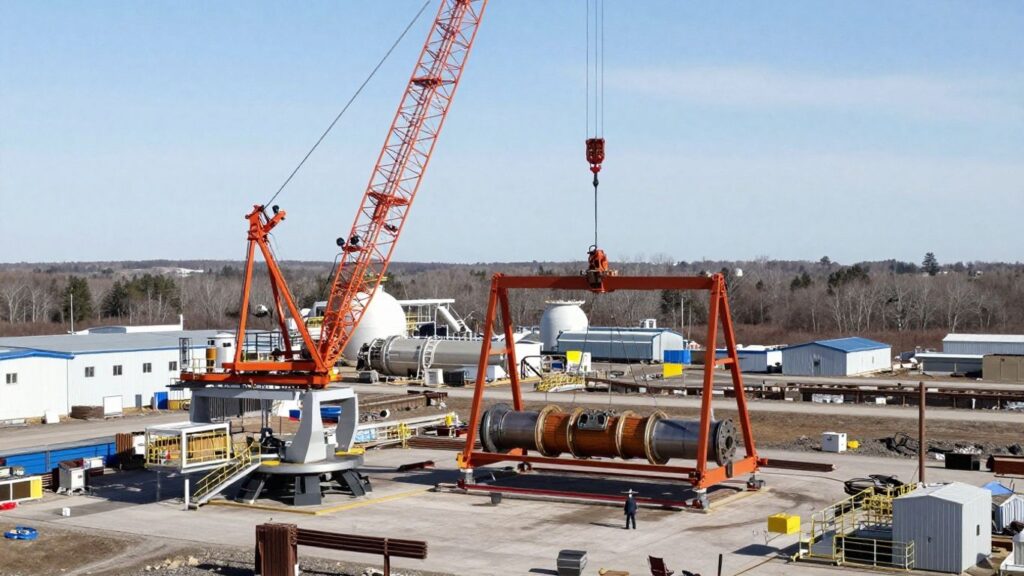
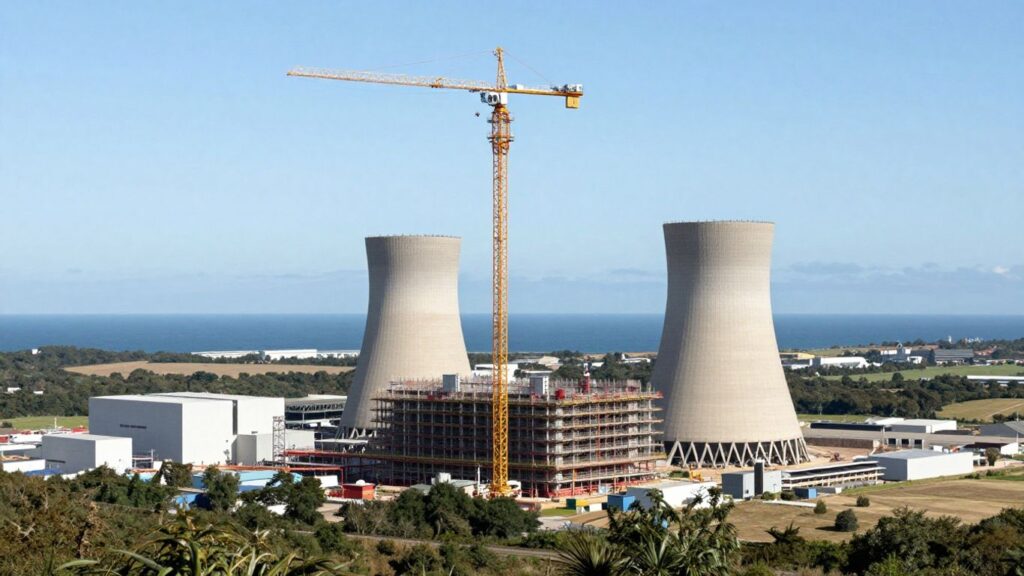
Achieving the ambitious capacity goals will require building new reactors at a pace not seen since the 1970s. This will rely on design standardization, advanced manufacturing techniques, and lessons learned from past projects. The expansion plan includes leveraging large-scale light-water reactors, as well as new small modular and microreactor designs, to meet diverse energy needs. Furthermore, increasing power output at existing facilities and restarting retired reactors are key strategies to bring additional capacity online, creating numerous jobs across the country.
Preliminary research indicates that many existing nuclear plant sites could host up to 60 GW of new capacity with large-scale reactors, and potentially 95 GW with small modular reactors. Additionally, sites near former U.S. coal plants could accommodate between 128 to 174 GW of new capacity, particularly with SMRs, which require less upfront capital and can utilize existing infrastructure and local workforces.
UK’s Regulatory Overhaul
In parallel, the United Kingdom is implementing significant regulatory reforms to accelerate nuclear power development. The government is "ripping up archaic rules" to facilitate the construction of nuclear power plants, including Small Modular Reactors (SMRs), for the first time. These changes aim to simplify planning processes, remove restrictions on where nuclear sites can be built, and establish a Nuclear Regulatory Taskforce to streamline approvals and encourage investment. The UK aims to overcome decades of delays that have left it lagging behind countries like China and the EU in nuclear energy development. These reforms are intended to create thousands of skilled jobs, deliver cleaner and more affordable energy, and enhance the nation’s energy security.
Sources
- U.S. Sets Targets to Triple Nuclear Energy Capacity by 2050, Department of Energy (.gov).
- Government rips up rules to fire-up nuclear power, GOV.UK.