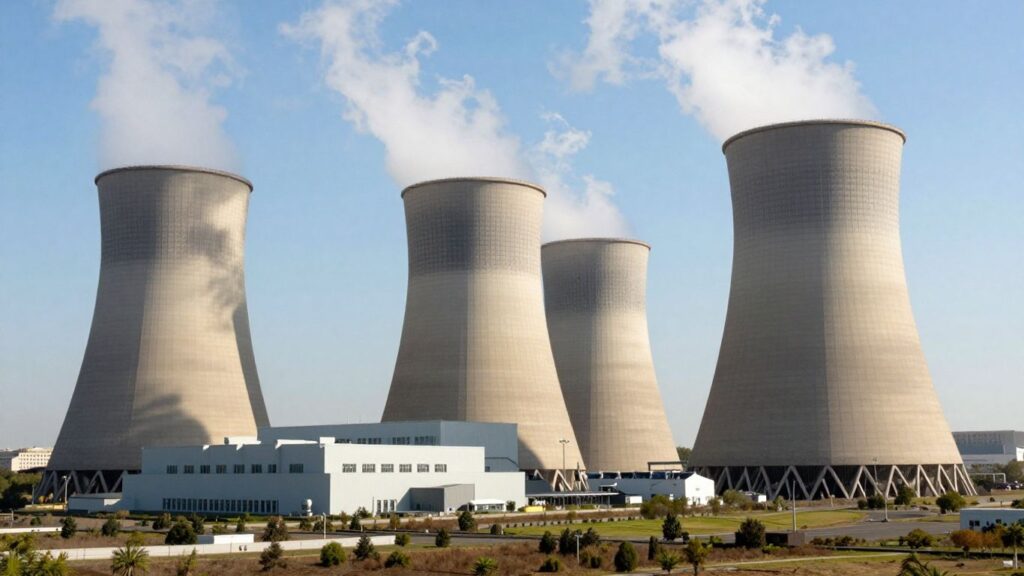

Nuclear fusion, long a dream of science fiction, is rapidly becoming a tangible reality, sparking global excitement and attracting significant investment. Recent advancements, particularly in high-temperature superconducting magnets, are paving the way for the construction of the world’s first commercial fusion power plants, promising a future of abundant, clean energy.
Key Takeaways
- Commonwealth Fusion Systems (CFS) is leading the charge, planning the world’s first grid-scale fusion power plant in Virginia, set to come online in the early 2030s.
- Breakthroughs in high-temperature superconducting magnets are enabling more compact and economically viable fusion reactor designs.
- Significant private investment, exceeding $7 billion globally, is fueling a race among numerous startups to commercialize fusion technology.
- Fusion offers a zero-carbon, safe, and virtually limitless energy source, with the potential to reshape global energy markets and geopolitics.
The Fusion Revolution Is Here
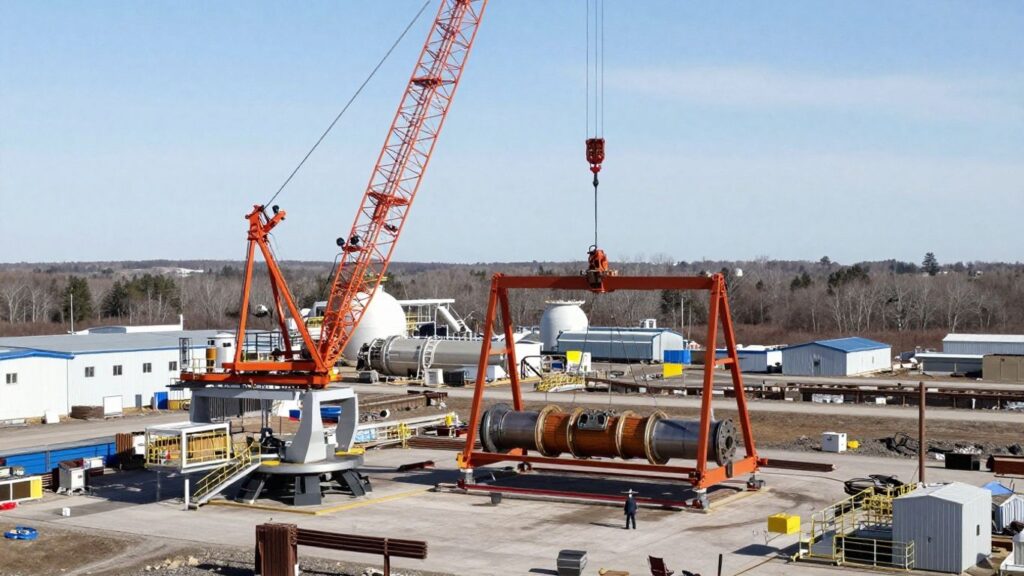
For decades, nuclear fusion has been the elusive "20 years away" energy source. However, a confluence of scientific breakthroughs and a surge in private investment has dramatically accelerated its timeline. Companies like Commonwealth Fusion Systems (CFS), an MIT spinout, are at the forefront, developing innovative technologies like high-temperature superconducting magnets that are crucial for confining the superheated plasma needed for fusion. These magnets are not just theoretical; CFS is manufacturing them for its pilot project and future power plants.
From Lab to Grid: The Path Forward
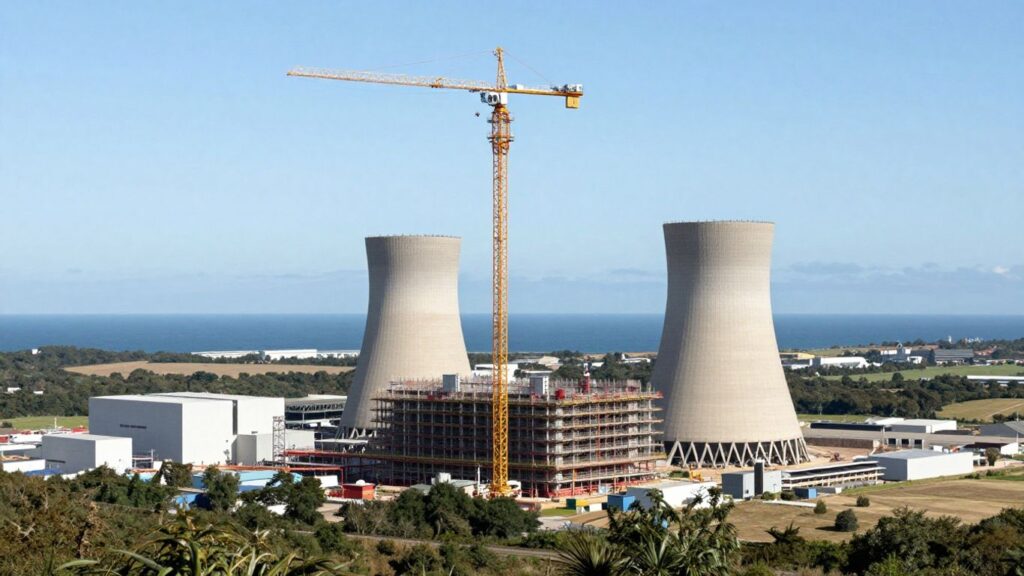
The ambition is clear: to move fusion from experimental reactors to the power grid. CFS plans to have its SPARC demonstration machine produce net energy by 2027, followed by its first commercial power plant, ARC, in Virginia by the early 2030s. This plant is projected to generate 400 megawatts of clean electricity, enough to power approximately 150,000 homes. This rapid progress is underpinned by over 65 years of sustained U.S. government investment in basic science and energy research, now being amplified by private capital.
Investment and Commercialization
The fusion industry has seen an influx of over $7 billion in private funding, with CFS alone raising more than $2 billion. This investment is driven by the immense market potential of fusion energy. Big tech companies, particularly those powering energy-intensive AI data centers, are actively seeking fusion power purchase agreements, signaling strong commercial interest. While the exact cost of fusion electricity is still being determined, projections suggest it could become highly competitive, potentially saving consumers billions annually and boosting global economic competitiveness.
Global Race and Geopolitical Implications
The race to commercialize fusion is a global one, with countries like China, the UK, Germany, and Japan making significant investments in research and development. The successful commercialization of fusion could dramatically alter geopolitical dynamics, offering energy independence and alleviating conflicts tied to fossil fuels. Furthermore, fusion power is seen as a critical tool in combating climate change, providing a clean, reliable energy source that can power hard-to-abate sectors and enable widespread adoption of energy-intensive technologies.
Challenges and the Road Ahead
Despite the rapid progress, challenges remain. Achieving sustained, net-positive energy production in a commercially viable manner requires overcoming complex engineering and scientific hurdles. Regulatory frameworks are also adapting to this new energy source, with streamlined processes being developed to facilitate deployment. However, the momentum is undeniable, and the prospect of abundant, clean fusion energy is closer than ever, poised to revolutionize the global energy landscape.
Sources
- A Nuclear Fusion Breakthrough May Be Closer Than You Think, Time Magazine.
- Is the world ready for the transformational power of fusion?, The World Economic Forum.
- Nuclear fusion news: The science behind the energy technology, The World Economic Forum.
- MIT spinout Commonwealth Fusion Systems unveils plans for the world’s first fusion power plant, MIT News.