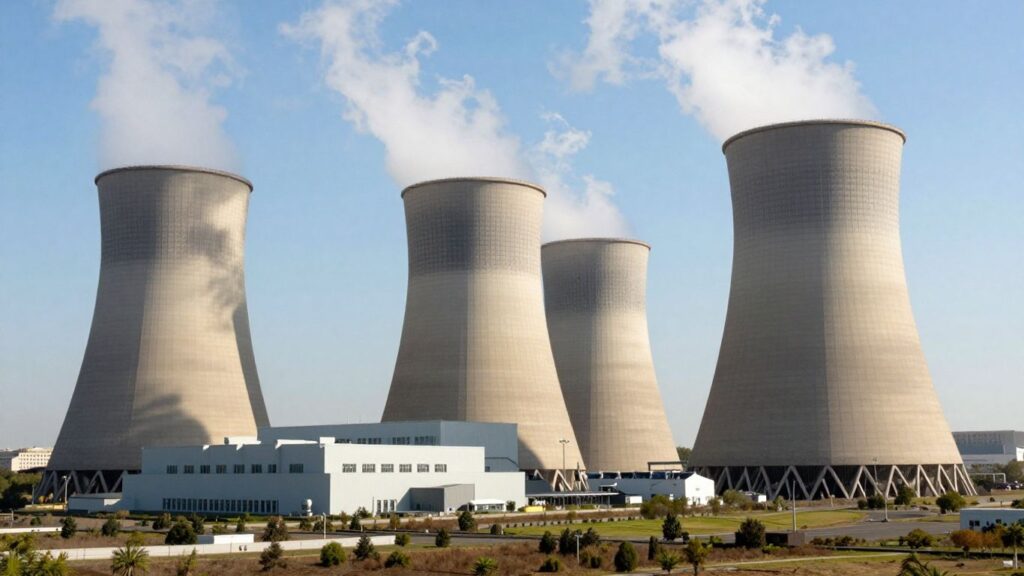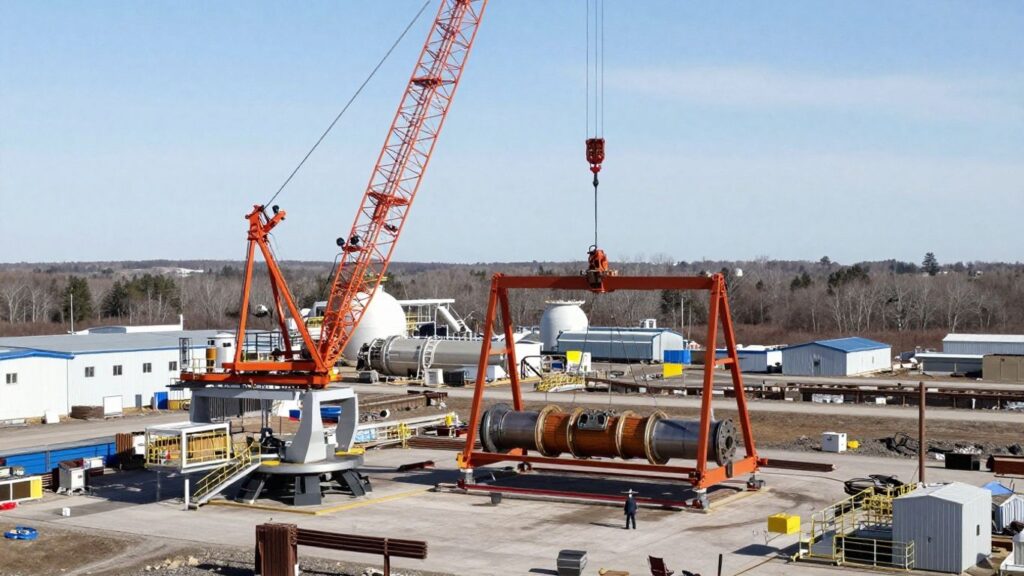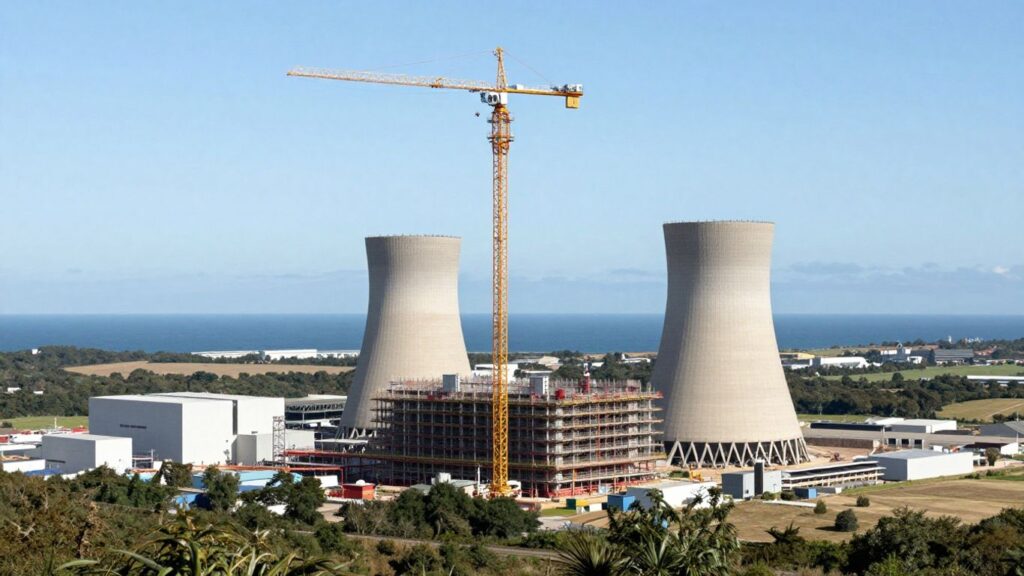


The United Kingdom has officially given the go-ahead for the Sizewell C nuclear power plant, marking a significant multi-billion-pound investment aimed at bolstering the nation’s energy security and driving economic growth. The final investment decision, signed by the Energy Secretary, paves the way for a project expected to deliver clean power for millions of homes and create thousands of jobs.
Key Takeaways
- Final investment decision for Sizewell C nuclear power plant has been made.
- The project will provide clean power for approximately 6 million homes.
- It is expected to support 10,000 jobs at peak construction.
- The government will become the largest shareholder, alongside private investors.
- Sizewell C is projected to cost around 20% less than Hinkley Point C.
A Landmark Investment in Clean Energy
The government’s decision signifies a major step towards a "golden age" of nuclear power in the UK, aiming to reduce reliance on volatile fossil fuel markets and stabilize energy bills for consumers. Analysis suggests that once operational, Sizewell C could contribute to average annual savings of £2 billion across the low-carbon electricity system.
Economic Boost and Job Creation
Beyond its energy contributions, Sizewell C is poised to be a significant economic driver. At its peak construction phase, the project anticipates employing 10,000 individuals directly, with thousands more jobs supported within the national supply chain. Furthermore, it is set to generate 1,500 apprenticeships. A substantial 70% of the construction value is expected to be awarded to British businesses, with an estimated 3,500 UK companies participating in the supply chain.
Ownership and Financial Structure
The government will hold a 44.9% stake in Sizewell C, positioning itself as the largest shareholder. This investment is shared with private investors including La Caisse (20%), Centrica (15%), and Amber Infrastructure (7.6%). French energy giant EDF will hold a 12.5% stake. The National Wealth Fund will provide the majority of the project’s debt finance, working alongside France’s export credit agency, Bpifrance Assurance Export.
Learning from Past Projects
The funding model for Sizewell C builds upon lessons learned from the construction of Hinkley Point C. This approach aims to spread the estimated £38 billion construction cost across consumers, taxpayers, and private investors, with projections indicating a 20% cost reduction compared to its predecessor. This strategy is designed to limit the impact on consumer bills, estimated at an average of £1 per month during construction.
Securing Future Energy Needs
With the UK’s existing nuclear fleet largely set for decommissioning by the early 2030s, Sizewell C is crucial for maintaining a stable supply of homegrown nuclear power. This initiative is part of a broader ambition to significantly increase the UK’s nuclear capacity, alongside the development of small modular reactors, aiming to deliver more new nuclear power to the grid in the coming decades than in the previous half-century combined.