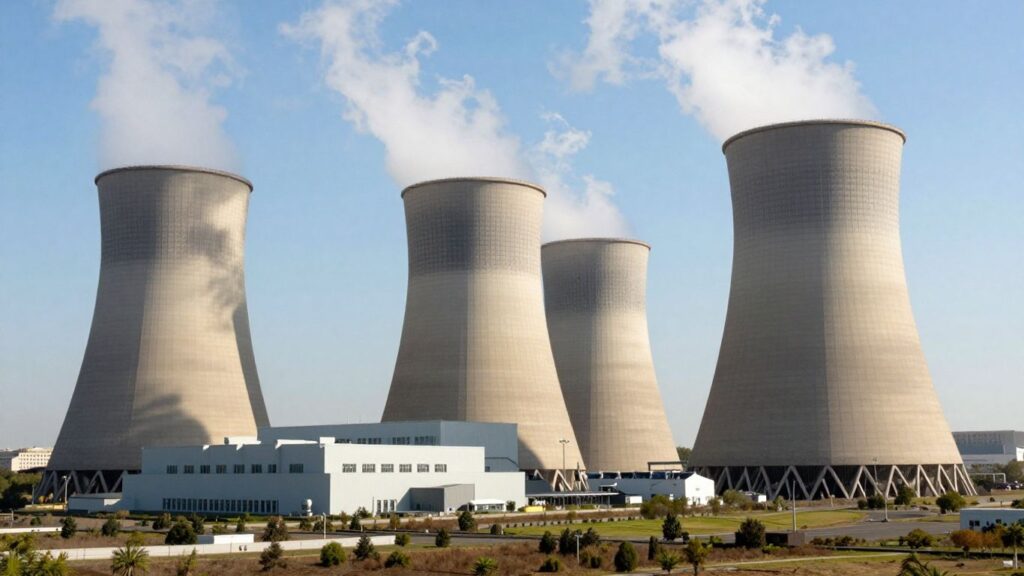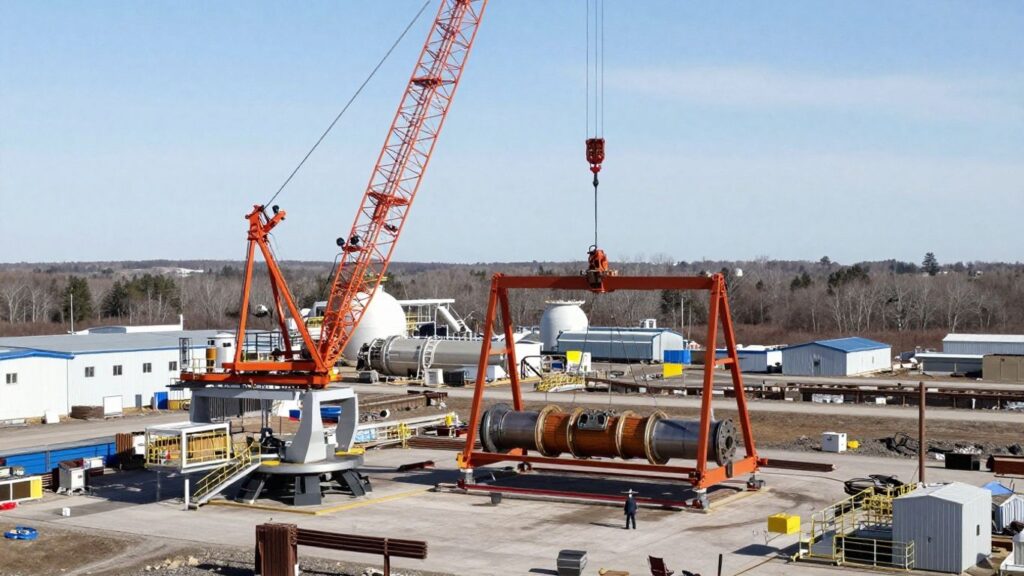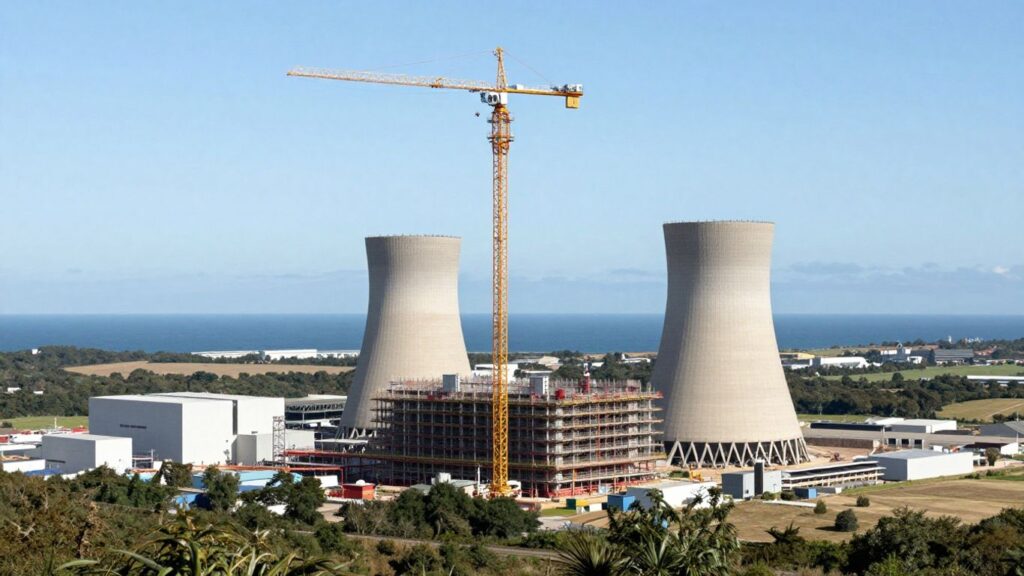


Google has announced a groundbreaking agreement with Kairos Power, marking the world’s first corporate deal to purchase nuclear energy from multiple small modular reactors (SMRs). This initiative aims to accelerate the deployment of advanced nuclear technology, with the first SMR expected to be operational by 2030. The partnership is set to deliver up to 500 MW of carbon-free power to U.S. grids, supporting the growing energy demands of AI technologies and contributing to decarbonization goals.
Key Takeaways
- Google and Kairos Power have signed the first corporate agreement for nuclear energy from SMRs.
- The deal aims to bring Kairos Power’s first SMR online by 2030, with further deployments through 2035.
- This partnership will provide up to 500 MW of 24/7 carbon-free power to U.S. electricity grids.
- The initiative supports the energy needs of AI technologies and Google’s net-zero goals.
Advancing Clean Energy with Nuclear Power
Google’s commitment to clean energy extends beyond its pioneering renewable energy purchase agreements. This new venture with Kairos Power signifies a strategic move to incorporate advanced nuclear energy into its portfolio. The agreement is designed to accelerate the development and commercialization of next-generation nuclear reactors, complementing existing renewable sources like solar and wind. This approach is crucial for meeting Google’s ambitious 24/7 carbon-free energy and net-zero targets.
The Role of Small Modular Reactors (SMRs)
The next generation of advanced nuclear reactors, particularly SMRs, offers a promising pathway for faster deployment. Their simplified designs and inherent safety features, combined with a smaller, modular construction, can significantly reduce building timelines and improve project predictability. This makes them a more viable option for meeting the increasing energy demands driven by advancements in AI and other data-intensive technologies.
Economic and Environmental Benefits
Beyond environmental benefits, investing in advanced nuclear technology like SMRs promises substantial economic advantages. According to the U.S. Department of Energy, nuclear power generates the highest economic impact among all power generation sources, creating numerous high-paying, long-term jobs. The deployment of 200 GW of advanced nuclear capacity in the U.S. by 2050 is projected to require an additional 375,000 workers. This agreement not only supports decarbonization efforts but also fosters economic growth and community development.